Duplex ultrasound care uses sound waves to map the veins in your legs, checking for blood clots, poor circulation, or vein disease. Your leg mapping scan shows how blood flows through your veins and whether any blockages or valve problems exist. A vascular specialist reviews these results to recommend the right next steps for your care.
Leg pain, swelling, or heaviness can leave you wondering what is happening beneath the surface. You may worry it is something serious, like a blood clot, or something more manageable, like early vein disease. Either way, you deserve clear answers without guesswork.
Duplex ultrasound care offers exactly that. This guide explains how the test works, what your leg mapping scan shows, and how a vascular specialist turns those results into a clear plan for your health.
What Is Duplex Ultrasound Care?
Duplex ultrasound care combines two types of imaging into a single, painless test. Standard ultrasound creates pictures of your leg veins, while Doppler ultrasound tracks how blood moves through them.
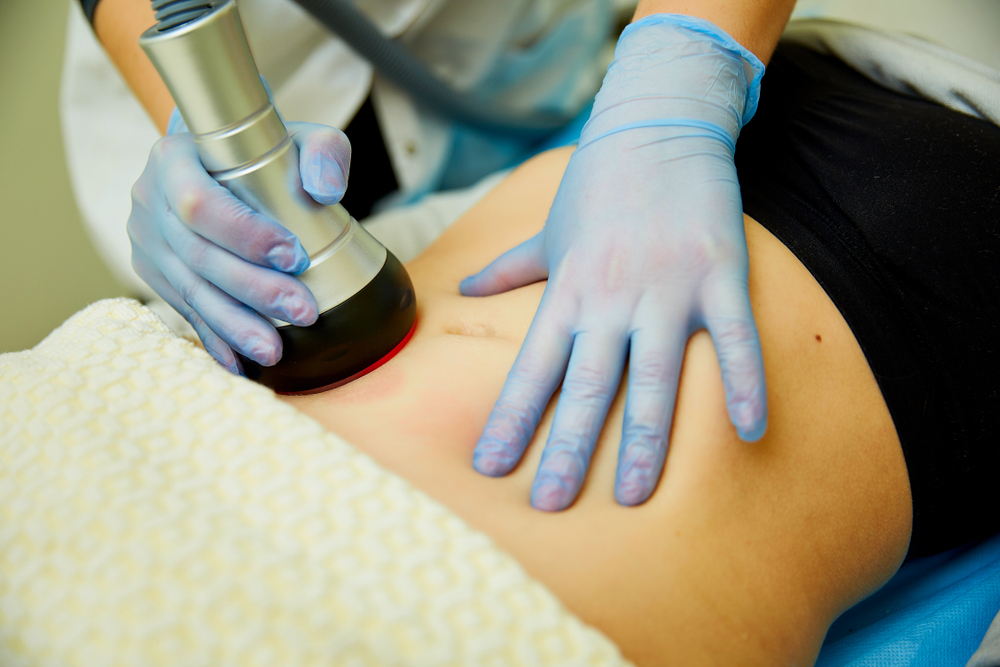
Together, these tools give your care team a full picture of your circulatory health. There are no needles, no radiation, and no downtime. You simply lie back while a technician moves a small device across your skin.
What Your Leg Mapping Scan Shows
Your leg mapping scan shows the structure and function of the veins running through your legs. This helps identify problems that might not be visible from symptoms alone.
The scan typically takes 30 to 60 minutes, depending on how much of your leg needs to be examined. You will feel light pressure from the transducer, but nothing painful.
Key Findings from the Scan
Your leg mapping scan shows several important details, including:
- Blood clots: The scan can detect clots in the deep or superficial veins, a condition known as deep vein thrombosis.
- Valve function: Weak or damaged valves can cause blood to pool, leading to varicose veins or chronic swelling.
- Blood flow direction: Reversed or sluggish blood flow may point to venous insufficiency.
- Vein size and structure: Enlarged or narrowed veins can signal underlying vascular disease.
These findings give your provider the information needed to recommend treatment, whether that means monitoring, compression therapy, or a more involved procedure.
How a Vascular Specialist Interprets Your Results
Reading a duplex ultrasound is not something you should have to do on your own. A vascular specialist has the training to recognize patterns that might otherwise go unnoticed.
This matters because early vein problems do not always cause obvious symptoms. A vascular specialist can catch small changes before they turn into larger health concerns, giving you more time and more options.
Your vascular specialist will also connect your scan results to your broader health history. This helps ensure any recommended treatment fits your specific needs, not a generic protocol.
Finding a Vascular Clinic in Brooklyn
If you are searching for a vascular clinic in Brooklyn, look for one that uses updated ultrasound equipment and has a vascular specialist on staff. A trustworthy vascular clinic in Brooklyn should also take the time to explain your results in plain language, so you leave with clarity instead of more questions.
Your Next Step Toward Healthier Legs
Leg pain and swelling do not have to remain a mystery. Duplex ultrasound care gives you a safe, reliable way to see what is really happening in your veins, and a skilled vascular specialist can guide you toward the right treatment.
Our vascular team is here to walk alongside you and your family through every step of this process, from scheduling your first scan to reviewing your final results. Reach out to us today by calling us at +1-718-367-2555 or walking into our clinic at 1797 Pitkin Avenue, Brooklyn, NY 11212 to schedule your leg mapping scan.