Many people are familiar with the terms “good cholesterol” and “bad cholesterol,” but fewer understand the medical condition associated with their imbalance: dyslipidemia. This condition refers to unhealthy levels of lipids (fats) in the blood, such as cholesterol and triglycerides. While it often goes unnoticed, understanding the causes of dyslipidemia is the first step toward prevention and management. Since there are rarely obvious symptoms of dyslipidemia, many individuals are unaware they have it until a serious cardiovascular event occurs. Fortunately, there are effective treatment options for dyslipidemia that can help restore balance and protect your heart health. Get a consultation with the best cardiologists in Brooklyn.
Understanding the Primary Causes of Dyslipidemia
Dyslipidemia can stem from a variety of factors, which are often categorized as either primary (genetic) or secondary (lifestyle-related or due to other medical conditions). Identifying the root cause is crucial for developing an effective management plan.
Primary Causes
Also known as familial dyslipidemia, this type is inherited. If your close family members have high cholesterol, you may be genetically predisposed to the condition. These genetic factors can affect how your body produces and removes lipids from the blood.
Secondary Causes
More commonly, dyslipidemia is a result of lifestyle choices and other health issues. These factors are often modifiable, meaning you can take steps to address them. Key secondary causes include:
- Diet: A diet high in saturated fats, trans fats, and cholesterol can significantly raise your lipid levels.
- Lack of Physical Activity: A sedentary lifestyle can lower “good” HDL cholesterol and raise “bad” LDL cholesterol and triglycerides.
- Obesity: Excess body weight, particularly around the abdomen, is strongly linked to unhealthy cholesterol levels.
- Medical Conditions: Diseases like type 2 diabetes, hypothyroidism, and chronic kidney disease can also lead to dyslipidemia.
Recognizing the Symptoms and Seeking Diagnosis
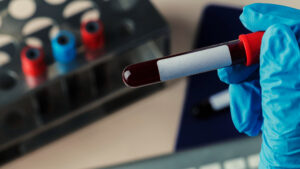
One of the biggest challenges with dyslipidemia is that it is typically asymptomatic. Most people feel perfectly fine and have no idea their lipid levels are dangerously high. This is why it’s often called a “silent” condition. The only way to detect dyslipidemia is through a simple blood test called a lipid panel or lipid profile, which measures your total cholesterol, LDL cholesterol, HDL cholesterol, and triglycerides.
Because there are no clear symptoms of dyslipidemia, regular check-ups with your doctor or a qualified cardiologist are essential, especially if you have risk factors. In some rare, severe cases, individuals might develop yellowish, fatty deposits on their skin (xanthomas) or around their eyes (xanthelasmas), but this is not common.
Exploring the Treatment Options of Dyslipidemia
Once diagnosed, managing dyslipidemia is key to reducing your risk of heart attack and stroke. A comprehensive plan often involves a combination of lifestyle changes and medication, tailored to your specific needs by a healthcare professional at a cardiology clinic in Brooklyn or your local provider.
Lifestyle and Dietary Adjustments
For many, these are the first and most important steps:
- Adopt a Heart-Healthy Diet: Focus on fruits, vegetables, whole grains, and lean proteins. Reduce your intake of processed foods, sugary drinks, and unhealthy fats.
- Increase Physical Activity: Aim for at least 150 minutes of moderate-intensity aerobic exercise, like brisk walking or cycling, per week.
- Maintain a Healthy Weight: Losing even a small amount of weight can have a positive impact on your cholesterol levels.
- Quit Smoking: Smoking damages your blood vessels and significantly lowers your HDL (“good”) cholesterol.
Medical Treatments
If lifestyle changes are not enough to reach your target lipid levels, your doctor may prescribe medication.
- Statins: This is the most common class of drugs used to lower LDL cholesterol.
- Ezetimibe: This medication prevents the absorption of cholesterol from your food.
- Fibrates: These are primarily used to lower high triglyceride levels.
- PCSK9 Inhibitors: These are powerful injectable drugs for individuals with very high LDL who don’t respond to other treatments.
Dyslipidemia is a serious but manageable condition. By understanding its causes, recognizing the need for screening due to a lack of symptoms, and exploring the available treatments, you can take proactive steps to protect your cardiovascular system. If you have risk factors or concerns about your cholesterol, consulting with experienced cardiologists is a crucial move.
Our cardiologists are here to provide expert diagnosis and personalized care. Schedule a visit to our premier cardiology clinic in Brooklyn to get a clear picture of your lipid levels and create a plan for a healthier future. For any cardiovascular problems, call us on +1 718 367 2555. The Cardiologists at Doral Health & Wellness consistently have outstanding patient satisfaction ratings. If you need help, register your information at https://yuz88hfiyh7.typeform.com/Doralintake. The professionals at Doral Health & Wellness Cardiology Brooklyn can improve your health and quality of life because of their vast training and experience. New Yorkers can get the best cardiovascular care at Doral Health & Wellness Brooklyn. Visit us at 1797 Pitkin Avenue, Brooklyn, NY 11212.