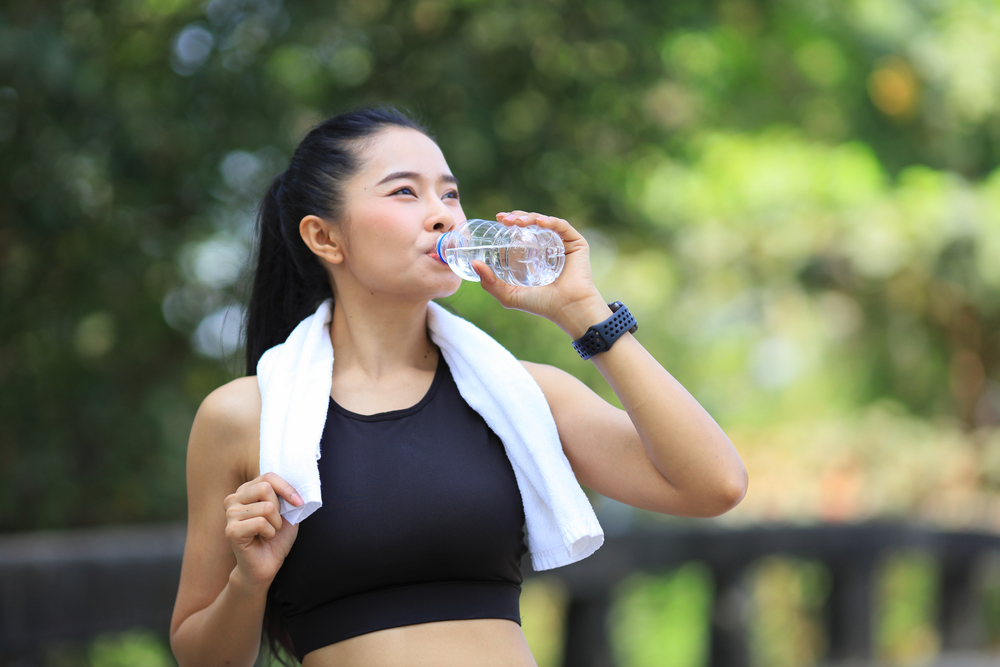
When acute gastroenteritis strikes, your first instinct might be to reach for a glass of water. While staying hydrated is essential, understanding the debate of electrolytes vs. water and why rehydration is crucial during acute gastroenteritis can significantly impact your recovery. This condition, often called the stomach flu, leads to vomiting and diarrhea, causing your body to lose not just water but also vital minerals. Proper rehydration involves replacing both, ensuring your body has what it needs to function and heal effectively. Ignoring this balance can prolong your illness and lead to more serious complications. Reach out to us on https://doralhw.org/contact-us/ for a consultation with the best infectious disease doctors in Brooklyn, New York.
Why Water Isn’t Always Enough During Sickness
During a case of gastroenteritis, your body rapidly depletes its stores of fluids and electrolytes. Electrolytes are essential minerals—like sodium, potassium, and chloride—that help regulate nerve and muscle function, hydrate the body, balance blood acidity, and rebuild damaged tissue.
When you lose these minerals through vomiting or diarrhea and only replace them with plain water, you can dilute the remaining electrolytes in your system. This imbalance can lead to symptoms like:
- Muscle weakness and cramps
- Dizziness
- Headaches
- Fatigue
- In severe cases, confusion or an irregular heartbeat
This is why focusing solely on water can sometimes do more harm than good. An infectious disease specialist will often emphasize the need for balanced fluid replacement.
The Role of Electrolytes: Why Rehydration is Crucial During Acute Gastroenteritis
Replenishing lost electrolytes is a key part of recovering from stomach bugs. Oral rehydration solutions (ORS) are specifically designed for this purpose. They contain a carefully balanced mix of water, salts (electrolytes), and sugar. The sugar helps the small intestine absorb the sodium, which in turn helps the body absorb water more efficiently.
Choosing the Right Rehydration Method
- Oral Rehydration Solutions (ORS): These are the gold standard for rehydration during gastroenteritis. They are available over-the-counter at most pharmacies in powder or liquid form.
- Clear Broths: Soups like chicken or vegetable broth can provide both fluids and sodium.
- Diluted Juices: While sugary drinks can sometimes worsen diarrhea, heavily diluted fruit juices can offer some potassium and fluids.
- Sports Drinks: These can help in a pinch, but they often contain high levels of sugar and may not have the ideal balance of electrolytes for illness-related dehydration.
For most mild to moderate cases, managing symptoms at home with these methods is sufficient. However, if symptoms are severe or persistent, it’s important to seek professional advice.
When to See a Doctor
While most cases of acute gastroenteritis resolve on their own, certain signs indicate the need for medical attention. Dehydration can become severe and require intervention. You should contact a healthcare provider if you or a loved one experiences:
- Inability to keep any fluids down for more than 24 hours
- High fever
- Severe abdominal pain
- Signs of severe dehydration include no urination for over eight hours, dizziness upon standing, or confusion.
In these situations, consulting with infectious disease doctors in Brooklyn or your local area can provide a proper diagnosis and treatment plan, which may include intravenous (IV) fluids to correct dehydration quickly. An infectious disease specialist can also help determine the underlying cause of the gastroenteritis if it’s persistent or unusually severe.
In summary, when recovering from acute gastroenteritis, focusing on replacing both fluids and electrolytes is vital. While water is important, an electrolyte-rich solution is often the superior choice for effective rehydration. For persistent or severe illness, professional medical guidance is always the best course of action. Reach out to our infectious disease providers immediately to book your appointment now. Call us on + 1-718-367-2555 to get treated! Learn more about infectious diseases at www.doralhw.org. and stay up to date on current health topics and new research, on recent infectious diseases like COVID-19. If you need help, register your information and make direct contact with our doctors at https://yuz88hfiyh7.typeform.com/Doralintake. Or visit us at 1797 Pitkin Avenue, Brooklyn, NY 11212.