Nerve pain can feel confusing and frightening. The tingling, burning, or weakness never seems to have a clear cause, and that uncertainty wears on you. You want answers, and you want relief.
Electromyography (EMG) is one of the most reliable tools doctors use to find those answers. This test measures how your muscles and nerves are working, helping to pinpoint the true source of your nerve pain. Once the cause is clear, a thoughtful pain management plan can begin.
This guide explains what an EMG is, why it matters, and how it connects to the care you or your loved one deserves. You are not alone in this, and help is closer than you think.
What Is Electromyography (EMG)?
You may have heard the word “EMG” from your doctor and felt unsure about what it involves. That is completely normal.
Electromyography (EMG) is a diagnostic test that records the electrical activity in your muscles and the nerves that control them. It shows how well signals travel between your brain, nerves, and muscles.
An EMG usually has two parts:
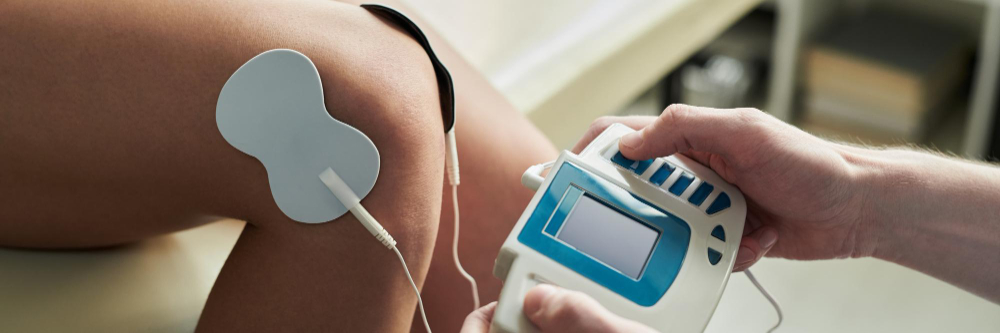
- Nerve conduction study. Small electrodes on your skin send gentle pulses to measure how fast nerve signals travel.
- Needle examination. A very thin needle placed in the muscle records activity while you rest and gently move.
The test may cause brief discomfort, but it is generally safe and well tolerated. If you have questions before your visit, the team at our pain medical clinic is always ready to walk you through each step.
Why EMG Is Used for Nerve Pain
Unexplained pain is exhausting. When you cannot name the problem, treating it feels impossible.
That is exactly where an EMG helps. By showing where nerve signals slow down or break, the test reveals the root of your symptoms rather than just masking them.
Conditions an EMG Can Help Detect
- Carpal tunnel syndrome, which causes hand numbness and tingling.
- Pinched nerves in the neck or lower back.
- Peripheral neuropathy, often linked to diabetes.
- Muscle disorders that lead to weakness or cramping.
With this information, your care team can build a plan that fits your body and your life. You can explore more in our managing nerve pain guide, part of our Health Corner library.
How EMG Results Shape Your Pain Management Plan
A diagnosis is only the beginning. What you really want is to feel like yourself again.
Once your EMG results are ready, pain management doctors use them to design care that targets the real cause of your discomfort. This means fewer guesses and more meaningful relief.
What Your Plan May Include
- Personalized therapy to strengthen affected muscles and nerves.
- Medication support to ease pain safely and reduce flare-ups.
- Lifestyle guidance tailored to your daily routine and comfort.
- Ongoing check-ins so your plan adjusts as you improve.
Because every person heals differently, no two plans look the same. Skilled pain management doctors take the time to understand your goals, your worries, and your day-to-day needs.
When care comes to you, recovery feels far less overwhelming. Our home-based team keeps you connected to the compassionate pain management services you deserve.
Take the Next Step Toward Relief
You have carried this pain long enough. You deserve clear answers and gentle, expert support.
An EMG can reveal what is causing your nerve pain, and the right pain management plan can help you move, rest, and live with greater ease. Whether the concern is yours or your loved one’s, help is available and within reach.
Reach out to our pain management doctors today by calling us at +1-718-367-2555 or walking into our clinic at 1797 Pitkin Avenue, Brooklyn, NY 11212 to schedule a consultation. Together, we can find the source of your pain and start your path toward lasting comfort.