Nerve pain can feel like a mystery. The burning, tingling, or weakness you or your loved one experiences is real, yet the cause often stays hidden. That uncertainty is exhausting. This is where an Electromyography (EMG) can help.
An EMG is a simple test that measures how well your muscles and nerves work together. For anyone living with unexplained nerve pain, it offers something valuable: answers. And answers open the door to effective pain management. In the sections below, we will walk you through what the test involves, why it matters, and how the right care team can turn results into relief. You are not alone in this, and understanding the process is the first step toward feeling better.
What Is an EMG Test?
You may have heard the word “electromyography” and felt uneasy. That is completely normal. Knowing what happens during the test removes much of that worry.
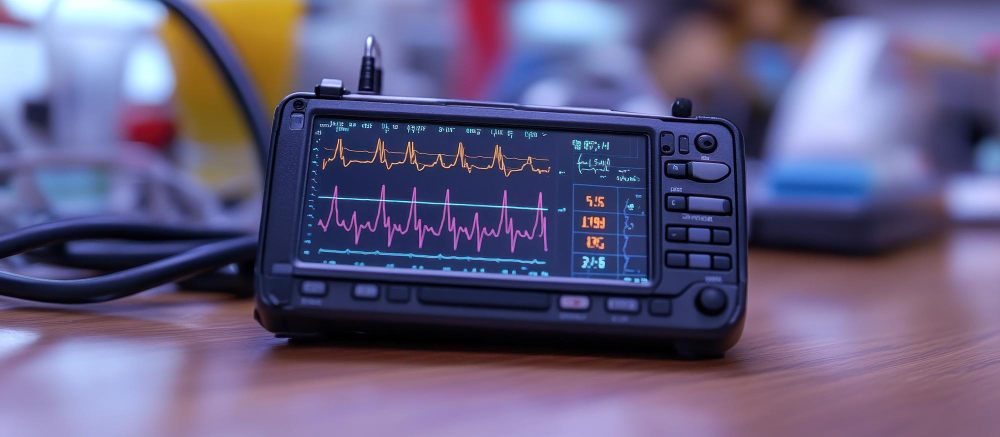
An EMG records the electrical activity in your muscles and the nerves that control them. Doctors use it to find the source of pain, numbness, weakness, or tingling. It often pairs with a nerve conduction study, which measures how quickly signals travel along your nerves.
Why Your Doctor Might Recommend It
Your doctor may suggest an EMG when the cause of your symptoms is unclear. It helps pinpoint problems such as:
- Pinched nerves: Conditions like carpal tunnel syndrome or a herniated disc.
- Nerve damage: Often linked to diabetes or injury.
- Muscle disorders: Issues that affect strength and movement.
By identifying the exact problem, your care team can build a plan that actually fits your needs. If you want to understand your options more fully, our guide to treating chronic nerve pain explains what comes next.
What to Expect During the Procedure
The fear of the unknown is often worse than the test itself. Let us walk through it together.
Most EMG appointments take 30 to 60 minutes. There are usually two parts:
- Nerve conduction study: Small electrodes are placed on your skin. Mild electrical pulses check how your nerves respond.
- Needle examination: A thin needle electrode is inserted into a few muscles to record activity while they rest and contract.
You may feel brief discomfort, similar to a small pinch. It passes quickly. There is no lasting soreness for most people, and you can return to normal activities the same day.
How to Prepare
A little preparation makes the day smoother:
- Skip lotions and creams on the test area.
- Wear loose, comfortable clothing.
- Tell your provider about blood thinners or a pacemaker.
The experienced pain management doctors who oversee your test will explain each step before it begins. You will always know what is coming next.
Managing Nerve Pain with EMG Results
Test results are only the beginning. What matters is what happens afterward.
Once your EMG reveals the source of your nerve pain, your care team can create a personalized plan. This might include physical therapy, medication, targeted injections, or lifestyle changes. Thoughtful pain management focuses on your whole life, not just a single symptom.
Working with a trusted pain medical clinic means you get compassionate, expert care tailored to you. The right pain management doctors listen, explain, and adjust your plan as you heal.
You Deserve Answers and Relief
Living with nerve pain is hard. You do not have to keep guessing about the cause. An Electromyography (EMG) gives you clarity, and the right team turns that clarity into comfort.
Reach out to our Pain Management team today by calling us at +1-718-367-2555 or walking into our clinic at 1797 Pitkin Avenue, Brooklyn, NY 11212 to schedule your consultation and take the first step toward lasting relief.