Aching legs, swelling by evening, and veins that bulge under your skin can wear you down. You may worry that the only fix is major surgery with a long, painful recovery. That fear keeps many people from getting help at all.
The good news is that varicose vein treatment has come a long way. Two modern, minimally invasive options now lead the way: Endovenous Laser Therapy and Radiofrequency Ablation. Both seal off damaged veins through a tiny puncture, without large incisions or hospital stays.
This guide walks you through how each treatment works, how they compare, and which one may suit your legs, your comfort, and your daily life. You do not have to make this decision alone.
Understanding Varicose Veins and Why They Happen
Varicose veins are more than a cosmetic concern. They can bring pain, heaviness, and swelling that make simple tasks feel harder than they should.
The problem starts inside your veins. Tiny valves that push blood back toward your heart weaken over time. When those valves fail, blood pools and pressure builds, causing veins to twist and bulge near the surface.
Left untreated, this pressure can lead to skin changes, ulcers, and ongoing discomfort. That is why finding the right treatment matters. If you are noticing early warning signs, our guide to recognizing vein problems early can help you understand what to watch for.
Who Is Most at Risk
Certain factors raise your chances of developing varicose veins. Knowing them helps you and your care team plan.
- Age and family history: Weakening valves are more common as you get older, and the tendency often runs in families.
- Pregnancy and hormones: Added pressure and hormonal shifts can strain leg veins.
- Prolonged standing or sitting: Jobs that keep you on your feet, or seated for hours, add stress to your circulation.
- Weight and activity level: Extra weight and limited movement make it harder for blood to flow upward.
Understanding your risk is the first step toward relief. From there, a qualified varicose veins surgeon can help match you with the treatment that fits your body best.
How Endovenous Laser Therapy Works
Living with painful veins is exhausting, and the idea of surgery can feel overwhelming. Endovenous Laser Therapy offers a gentler path forward.
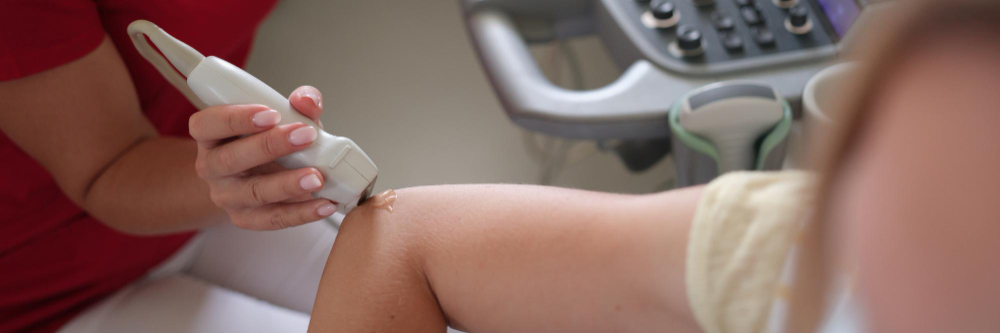
This treatment uses focused laser energy to close a faulty vein from the inside. A thin fiber is guided into the vein through a small entry point, using ultrasound to steer it precisely.
Once in place, the laser delivers controlled heat that seals the vein shut. Blood then reroutes naturally to healthy veins nearby, easing pressure and pain.
What to Expect During and After
Most people are surprised by how manageable the process feels. Here is what typically happens:
- The procedure: It usually takes under an hour and is done with local anesthesia, so you stay awake and comfortable.
- The recovery: You can often walk the same day and return to light activity quickly.
- The aftercare: Wearing compression stockings supports healing. Clinical guidelines recommend compression therapy after vein treatment to improve outcomes.
You leave with small bandages, not large scars. For many, that reassurance alone makes the decision easier.
How Radiofrequency Ablation Works
Some people fear that any heat-based treatment will be harsh or uncomfortable. Radiofrequency Ablation was designed with that concern in mind.
Instead of laser light, this method uses radiofrequency energy to warm and close the damaged vein. A slim catheter delivers steady, controlled heat along the vein wall.
The vein gradually seals, and your circulation shifts to healthier pathways. The gentle, even heating often means less bruising for some patients.
Comfort and Recovery Details
Radiofrequency Ablation shares many of the same advantages as laser treatment, with a few differences worth noting.
- The procedure: It is also minimally invasive and performed with local anesthesia in an outpatient setting.
- The sensation: Many patients report a warm, tolerable feeling rather than sharp discomfort.
- The downtime: Walking soon after is encouraged, and most people resume routine activity within a day or two.
Both treatments protect your comfort and your time. The right choice often comes down to your specific veins and your provider’s expertise.
Comparing the Two Treatments Side by Side
Choosing between two effective options can feel confusing. A simple comparison makes the differences clearer.
Feature | Endovenous Laser Therapy | Radiofrequency Ablation |
Energy source | Laser light | Radiofrequency waves |
Anesthesia | Local | Local |
Procedure time | Under an hour | Under an hour |
Recovery | Same-day walking | Same-day walking |
Bruising | May be slightly more | Often slightly less |
Best for | Larger or twisted veins | Comfort-focused recovery |
Both approaches are recommended for people with troublesome varicose veins. National guidance supports heat-based ablation as a first-line alternative to older, more invasive surgery.
Which One Suits Complex Veins
For veins that are larger, deeper, or unusually shaped, treatment planning becomes more personal. This is where experience truly matters.
Your vein anatomy, symptoms, and health history all shape the safest, most effective option. A skilled varicose veins surgeon uses ultrasound mapping to tailor the plan to your legs.
Neither treatment is “better” for everyone. The best result comes from matching the method to your unique needs.
What About Smaller Surface Veins
Not every vein concern involves large, bulging veins. You may also notice fine, web-like veins near the surface of your skin.
These smaller veins usually respond to a different approach. Spider Vein Removal Treatment targets these delicate vessels, often using injections or surface-based methods rather than heat ablation.
In many cases, patients address both issues together. A larger vein might be treated with ablation, while Spider Vein Removal Treatment smooths the remaining surface veins. Our overview of minimally invasive vein care explains how these treatments work alongside each other.
The goal is always the same: healthier legs and lasting relief. Your care team can combine treatments thoughtfully, so you feel comfortable every step of the way.
Making the Right Choice for Your Legs
Both Endovenous Laser Therapy and Radiofrequency Ablation offer safe, proven relief from varicose veins. Neither requires major surgery, and both let you get back on your feet quickly.
Here is what to keep in mind:
- Both treatments are minimally invasive and use local anesthesia.
- Laser therapy may suit larger or twisted veins.
- Radiofrequency ablation may feel gentler for some patients.
- Spider Vein Removal Treatment addresses smaller surface veins.
- A trusted varicose veins surgeon tailors the plan to your body.
The most important step is starting a conversation with a provider who listens. You deserve care that fits your life, not the other way around.
You do not have to keep living with heavy, aching legs. Reach out today by calling 1-347-384-5690 or visiting us at 1797 Pitkin Avenue, Brooklyn, New York 11212 to schedule an evaluation with our vascular team to take the first step toward comfortable, healthier legs.