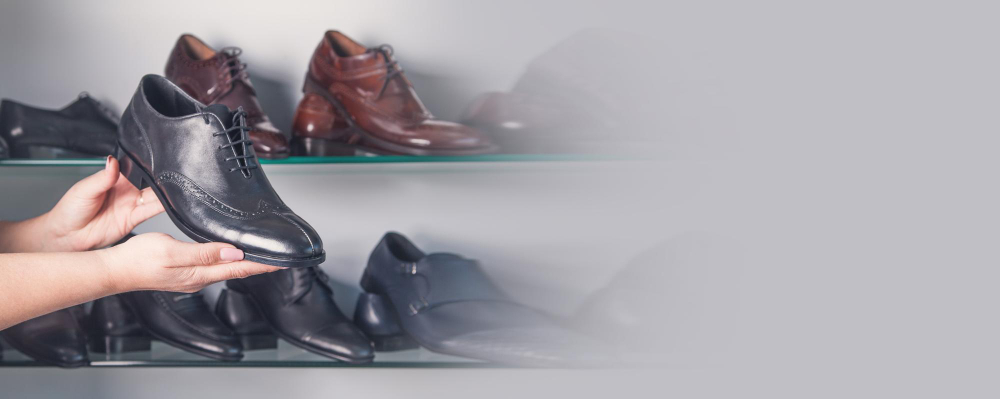
A footwear overhaul is more than swapping old shoes for new ones. Choosing the right pair means understanding your foot type, knowing when your current shoes have worn out, and selecting features that support your daily movement. The right shoes reduce pain, prevent injury, and support long-term foot health.
Your shoes work hard. They absorb impact, support your arches, and carry you through thousands of steps every day. When the time comes for a footwear overhaul, most people focus on style or price. What you should know when buying new shoes goes much deeper than that. The right pair can protect your joints, reduce fatigue, and prevent injuries that quietly develop over time. The wrong pair can cause problems that take months to address.
How Do You Know It’s Time for a Footwear Overhaul?
Shoes do not always look worn out before they stop working. The cushioning inside breaks down long before the soles show visible damage.
Watch for these signs that your current shoes need replacing:
- Uneven heel wear: If one side of your heel wears down faster than the other, your gait may be placing uneven stress on your joints.
- Persistent foot or knee pain: Pain that appears during or after activity often signals that your shoes are no longer providing adequate support.
- Compressed insoles: Press your thumb into the insole. If there is little resistance, the cushioning has flattened and is no longer absorbing shock effectively.
- More than 300 to 500 miles of use: Athletic shoes, in particular, have a functional lifespan. Once exceeded, the structural support deteriorates even if the shoe still looks intact.
A podiatrist can help you identify whether your footwear is contributing to recurring pain or discomfort.
What You Should Know When Buying New Shoes
Match the shoe to your foot type
Feet come in different shapes, and not every shoe accommodates every foot. Flat feet, high arches, and wide toe boxes all require different levels of support and room. If you have never had your foot assessed, a podiatry clinic in Brooklyn can provide a gait analysis and arch evaluation before your next purchase.
Shop later in the day
Feet swell throughout the day. Buying shoes in the morning means they may feel tight by evening. Shopping in the afternoon gives you a more accurate fit.
Prioritize function over appearance
A shoe that looks right but fits poorly will cause problems. Look for a firm heel counter, adequate arch support, and at least a half-inch of space between your longest toe and the end of the shoe.
Replace insoles when needed
Even good shoes benefit from custom or upgraded insoles. A podiatrist can recommend insoles suited to your specific foot mechanics, which makes a meaningful difference in comfort and injury prevention.
Which Shoe Types Work Best for Specific Activities?
Not all shoes are built for all purposes. Running shoes are engineered for forward momentum and cushioning. Walking shoes prioritize stability and a more flexible sole. Court shoes are designed for lateral movement.
Wearing the wrong shoe type for your activity places unnecessary stress on your feet and lower limbs. If you are unsure which category fits your routine, the team at a podiatry clinic in Brooklyn can guide you based on your movement patterns and health history.
Take the Next Step With the Right Support
A footwear overhaul is an investment in your comfort, your mobility, and your long-term health. Selecting the right shoes is not complicated, but it does require knowing what to look for and understanding your own foot mechanics.
If foot pain has been part of your daily experience, or if you are ready to make a more informed decision before your next purchase, our Podiatry team is here to help. Reach out today by calling +1 718 367 2555 or visit us at 1797 Pitkin Avenue, New York, NY 11212 to schedule a consultation and get personalized guidance on footwear that works for your body.