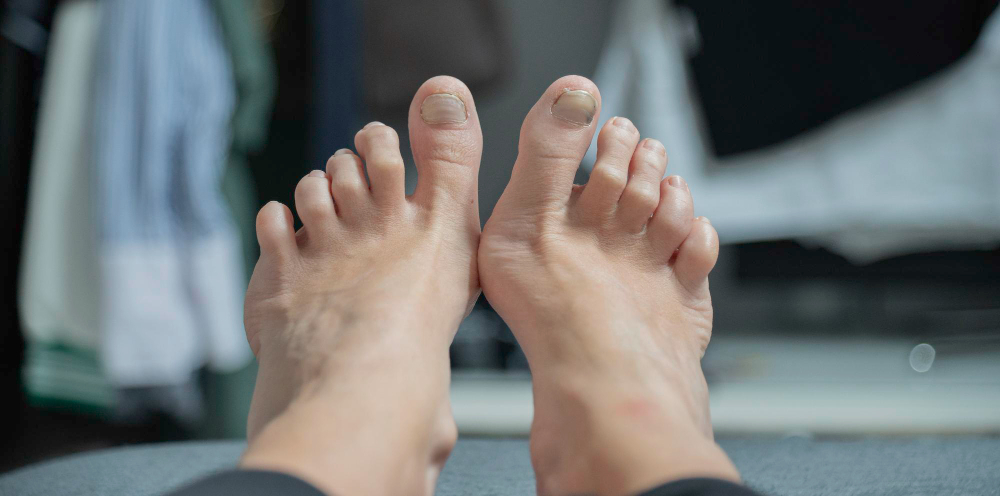
A toe bump is not always minor. When pain persists beyond a few days, the area swells, bruising spreads, or you struggle to bear weight, those are signs that a podiatrist should evaluate your foot. Early assessment prevents small injuries from becoming long-term problems.
You bumped your toe. It hurt. You winced, waited a moment, and moved on. Most of the time, that is the end of the story. But sometimes, a simple toe bump is the beginning of something that needs professional attention, and knowing the difference matters more than most people realize.
Understanding when a simple toe bump means it’s time to see a professional can protect your mobility and help you avoid complications that develop quietly over days or weeks.
How Do You Know When a Toe Injury Is More Than Minor?
Not every bump requires a clinic visit. What separates a bruised toe from something more serious is a pattern of symptoms that do not resolve on their own.
Pay close attention if you experience any of the following after a toe injury:
- Pain that does not improve after 48 to 72 hours: Mild soreness typically fades within a day or two. Pain that lingers or worsens is a signal that something structural may be involved.
- Visible swelling or bruising that spreads: Localized bruising is common. Bruising that moves along the foot or swelling that extends beyond the injured toe suggests deeper tissue or bone involvement.
- Difficulty bearing weight or walking normally: If your gait has changed because of the pain, your body is compensating in ways that can strain your knees, hips, and lower back over time.
- A toe that looks misaligned or bent: Visible deformity after impact is a strong indicator of a fracture or dislocation that needs imaging to assess properly.
- Numbness, tingling, or a nail that is lifting: These symptoms point to nerve or vascular involvement, which a podiatrist is trained to evaluate and treat.
Why Waiting Too Long Can Make Things Worse
The temptation to “walk it off” is understandable. Toe injuries feel small, and many people hesitate to seek care for something they assume will heal on its own.
The problem is that untreated fractures, even hairline ones, can shift position during the healing process. A toe that heals incorrectly can create long-term pain, joint stiffness, and difficulty fitting into footwear. What starts as a minor injury can, over time, affect your walking mechanics and contribute to larger problems in your feet and ankles.
A podiatrist can confirm whether a bone is involved, determine if realignment is needed, and guide your recovery so that healing happens correctly the first time.
What to Expect at a Podiatry Evaluation
A visit to a podiatry clinic in Brooklyn does not have to feel daunting. A thorough evaluation typically includes a review of how the injury occurred, a physical examination of the affected toe and surrounding structures, and imaging if a fracture is suspected.
From there, your podiatrist will discuss a treatment plan suited to your specific injury. This may include protective splinting, modified footwear, or guidance on activity during healing. The goal is not just to manage pain; it is to make sure your toe heals in a way that supports your long-term comfort and mobility.
Take the Step Before the Problem Grows
Toe injuries deserve more than guesswork. If your pain is persisting, your toe looks different than it should, or your walking has changed, those are clear signs that a professional evaluation is the right next step.
Our Podiatry team provides thorough assessments and personalized care for injuries of all sizes. You do not have to wait and wonder whether something is wrong. Reach out today by calling +1 718 367 2555 or visit us at 1797 Pitkin Avenue, New York, NY 11212 to schedule your evaluation and get a clear answer.