That little bend in your toe seems harmless at first. Then comes the rubbing, the thick callus, and the ache with every step. If this sounds familiar, you are not alone.
Hammertoes and toe deformities happen when the small muscles and tendons in your foot fall out of balance. Over time, the toe bends downward at the middle joint instead of lying flat. The raised knuckle then presses against your shoe, creating friction points that turn into corns and calluses.
The good news is that early attention makes a real difference. In this guide, we will walk through why these problems develop, the warning signs to watch for, and gentle steps you can take at home to protect your feet.
Why Friction Points Form
Friction is the root of the problem. When a bent toe rubs against footwear again and again, your skin builds up hardened layers to protect itself.
Common causes include:
- Tight or narrow shoes: Cramped toe boxes force your toes into unnatural positions.
- High heels: These push your weight forward, adding pressure to the toe joints.
- Muscle imbalance: Weak or tight tendons pull the toe into a curled shape.
- Aging and arthritis: Joints stiffen over time, making deformities more likely.
For older adults especially, these changes can affect balance and raise the risk of falls. If your loved one is recovering at home, our compassionate in-home care services can help monitor foot health between medical visits.
By spotting these causes early, you can slow the progression and ease discomfort before surgery ever enters the conversation.
Signs You Should Not Ignore
Pain is your body asking for help. Catching hammertoes and toe deformities early gives you far more gentle treatment options.
Watch for these signs:
- A toe that stays bent even when you are resting
- Corns or calluses on top of or between the toes
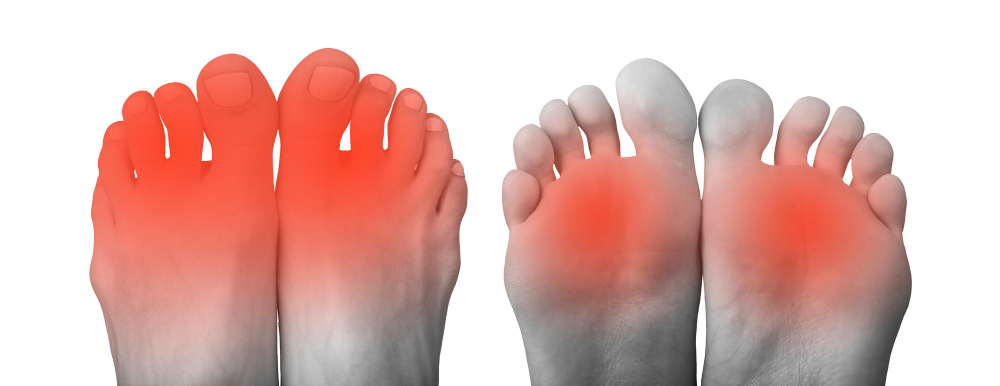
- Redness, swelling, or a burning feeling
- Difficulty finding shoes that fit comfortably
When to See a Foot Doctor
Mild cases often respond well to home care. But if the toe becomes rigid or the pain interferes with walking, it is time to see a podiatrist. A foot doctor in Brooklyn, NY can examine the joint, check your circulation, and rule out related conditions.
For a deeper look at daily prevention habits, our article on everyday foot care tips offers simple routines that protect against friction.
Gentle Steps to Ease the Pressure
You can do a lot at home to calm irritated toes. The goal is to reduce rubbing and give your skin room to heal.
Try these approaches:
- Choose roomier shoes. Look for a wide, deep toe box that lets your toes rest naturally.
- Use protective padding. Gel sleeves and toe splints cushion the joint and limit friction.
- Soften calluses safely. Soak your feet, then use a pumice stone gently. Never cut skin yourself.
- Stretch daily. Simple toe exercises help restore muscle balance.
If home steps are not enough, a podiatrist may recommend custom orthotics or, in more severe cases, a minor procedure. Reaching out early keeps your choices open and your recovery smoother.
Take the Next Step Toward Comfortable Feet
Your feet carry you through every day. They deserve care that meets you where you are.
If curling toes, calluses, or foot pain are slowing you or your loved one down, help is close by. Reach out to our podiatry team today by calling +1 718 367 2555 or visit us at 1797 Pitkin Avenue, New York, NY 11212 to build a personalized plan that fits your life.