Strength training provides immense long-term benefits for metabolic health, bone density, and functional longevity. However, within the realm of competitive lifting and high-intensity resistance training, a frequent physiological question arises: Can straining during heavy weightlifting raise blood pressure? The short answer is yes—and the magnitude of this transient increase is far greater than most people realize. While regular weightlifting ultimately helps lower resting blood pressure over time, the acute spikes that occur during heavy straining require careful clinical understanding, especially for individuals with underlying vascular or cardiac concerns.
1. The Physiological Spike: Extreme Numbers in the Rack
During high-effort resistance exercises, such as a heavy squat, deadlift, or leg press, blood pressure does not just rise moderately—it spikes drastically. While a normal resting blood pressure is around 120/80 mmHg, medical studies tracking elite powerlifters during maximum-effort lifts have recorded transient spikes exceeding 300/250 mmHg.
This extreme, brief surge in pressure is driven by intense muscle contractions that physically compress your arterial walls, combined with a sudden, massive spike in sympathetic nervous system activity (your “fight-or-flight” response) as you push against heavy resistance.
2. The Valsalva Maneuver: The Mechanics of Straining
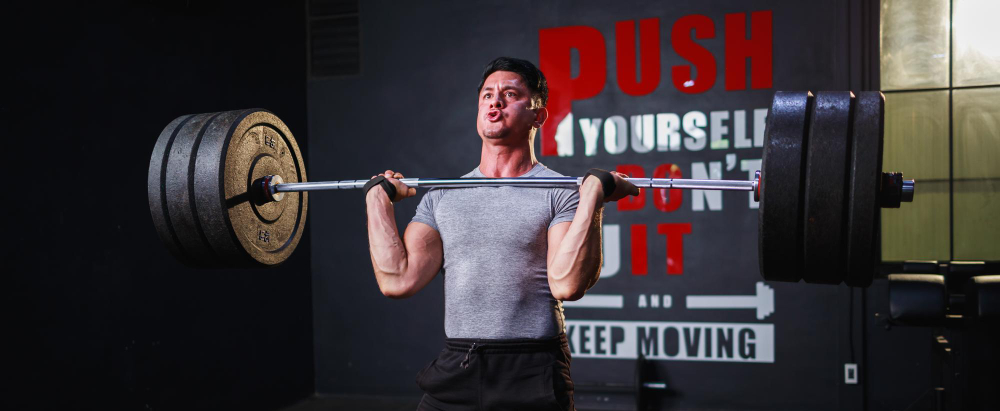
The primary mechanical driver behind these extreme blood pressure spikes is a natural breathing habit known as the Valsalva maneuver. This occurs when an individual takes a deep breath and holds it while forcefully exhaling against a closed airway (glottis) while lifting a heavy weight.
Lifters instinctively use this technique because it creates a solid cylinder of pressure inside the torso, stabilizing the spine and allowing them to lift heavier loads. However, this helpful stabilization creates a complex sequence of cardiovascular strain:
- The Pressure Surge: Holding your breath instantly increases intra-thoracic and intra-abdominal pressure, forcing a massive spike in arterial blood pressure.
- The Delayed Return: This high pressure temporarily restricts blood from returning to the heart, causing your cardiac output to drop briefly.
- The Post-Lift Drop: The moment you finish the lift and exhale, your intra-thoracic pressure drops instantly, causing blood to rush back to the heart and temporarily dropping your blood pressure, which can lead to brief lightheadedness or dizziness.
- Vascular Risks of Heavy Straining
For a young individual with completely healthy, elastic blood vessels, these temporary blood pressure spikes are well-tolerated. The body protects itself by simultaneously increasing cerebrospinal fluid pressure, which cushions the brain’s delicate blood vessels against the surge. However, if an individual has undiagnosed or unmanaged vascular vulnerabilities, this intense internal straining can expose them to acute clinical risks:
Cardiovascular Vulnerability | Acute Risk Triggered by Heavy Straining |
Uncontrolled Hypertension | Starting a heavy lift with an already elevated baseline blood pressure can push your peak numbers into dangerous hypertensive crisis territory during execution. |
Intracranial Aneurysms | Sudden, extreme surges in arterial pressure can put severe structural stress on weakened, bulging vessel walls in the brain, potentially triggering a rupture. |
Abdominal Aortic Aneurysms | The massive increases in internal abdominal pressure can compromise a dilated, weakened aortic wall, elevating structural tearing risks. |
4. Safe Lifting Rules to Manage Blood Pressure
You do not need to avoid the weight room to keep your cardiovascular system safe. Implementing targeted, clinician-backed lifting modifications allows you to build strength while keeping acute blood pressure surges under control:
- Master Continuous Breathing: Avoid holding your breath entirely during a lift. Practice the “exhale on exertion” rule: inhale deeply as you lower the weight (eccentric phase) and exhale smoothly and continuously through your mouth as you push the weight up (concentric phase).
- Prioritize High Reps, Moderate Weight: Transition your programming away from low-repetition maximum-effort lifts (1 to 5 reps at >85% max capacity). Instead, focus on moderate loads (10 to 15 reps at 60% to 70% max capacity), which build muscle without requiring extreme straining.
- Avoid Failure on Large-Muscle Compounds: Exercises that recruit massive muscle groups simultaneously—like the leg press or back squat—cause the largest blood pressure spikes. Avoid pushing these specific movements to absolute failure.
- Rest Adequately Between Sets: Give your cardiovascular system a full 2 to 3 minutes to settle back to its baseline resting level before starting your next set.
5. Exertion Red Flags to Watch For
Even if you are actively focused on proper breathing, you must stop lifting immediately and rest if you experience any acute neurological or cardiovascular warning signs:
- A sudden, severe, or throbbing headache that hits instantly during a lift (exertional headache).
- Pronounced dizziness, lightheadedness, or feeling like you are about to faint when standing up.
- Sudden changes in your vision, such as blurriness, tunnel vision, or seeing spots.
- Chest pain, atypical pressure, or an unprovoked irregular heartbeat that lingers after you put the weight down.
Conclusion
Heavy weightlifting and intense straining undeniably cause rapid, significant spikes in your blood pressure. For the vast majority of fitness enthusiasts, this brief exertion is a safe, normal part of muscular conditioning. However, prioritizing proper breathing mechanics and choosing moderate weights over extreme, maximum-effort loads is essential to lift safely. If you have a family history of heart disease, aneurysm, or high blood pressure, always consult your physician or a sports cardiologist to establish clear lifting boundaries tailored to your vascular health.
Reach out to us today by calling us at +1-718-367-2555 or walking into our clinic at 1797 Pitkin Avenue, Brooklyn, NY 11212 to get a personalized training plan to keep your heart healthy.