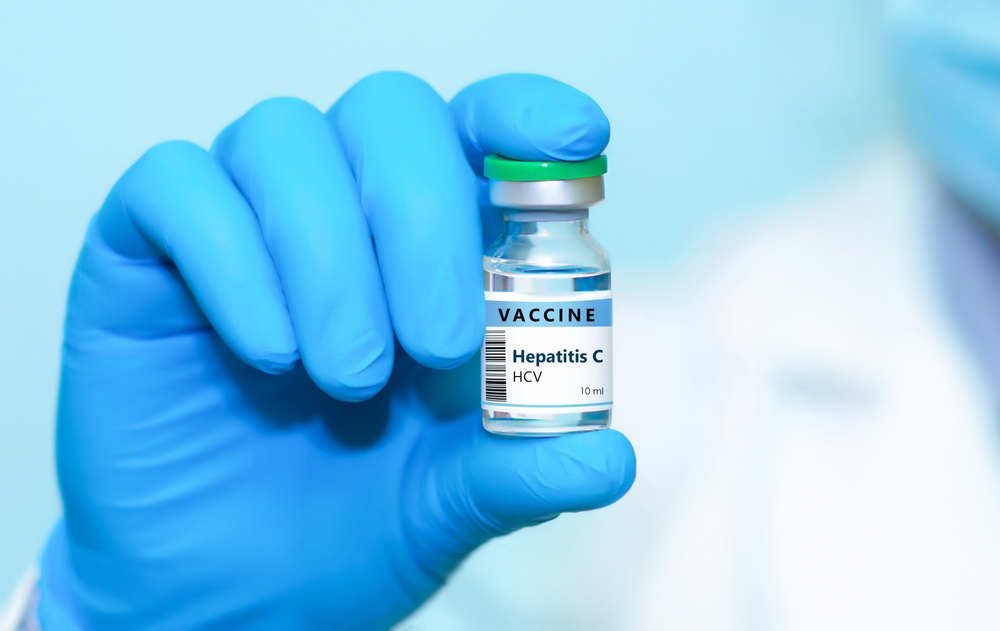
When discussing viral hepatitis, vaccination is a common topic. We have effective vaccines for hepatitis A and B, so it’s natural to ask, “Is vaccination necessary for hepatitis C?” This question often leads to confusion, especially when people search for a “hepatitis C vaccine schedule.” The simple and surprising answer is that there is currently no vaccine available for hepatitis C. This guide will explain why a vaccine has been so difficult to develop, what this means for prevention, and why vaccinations for other types of hepatitis are still crucial for those with or at risk for hepatitis C. Log on to www.doralhw.org for a consultation.
Why Is There No Hepatitis C Vaccine Schedule?
The primary reason there is no hepatitis C vaccine schedule is the complex and elusive nature of the hepatitis C virus (HCV) itself. Unlike the relatively stable hepatitis A and B viruses, HCV is a master of disguise.
High Genetic Variability
HCV mutates rapidly as it replicates. This has led to the emergence of at least seven major genetic types, or “genotypes,” and dozens of subtypes that circulate globally.
- A Moving Target: This high level of genetic diversity means the virus is constantly changing its appearance to the immune system. A vaccine designed to target one strain might be completely ineffective against another. Creating a single vaccine that can protect against all these variations is a monumental scientific challenge.
- Immune Evasion: The virus has sophisticated mechanisms to evade the human immune system. Even during a natural infection, the body often struggles to produce an effective, lasting immune response. This makes it difficult for a vaccine to train the immune system to do something the body can’t do on its own.
Lack of a Small Animal Model
For many years, researchers lacked a good small animal model (like mice) that could be infected with HCV. This slowed down the research process, making it difficult to test potential vaccine candidates quickly and efficiently. While progress has been made, these challenges have significantly hindered the development timeline.
If Vaccination Isn’t an Option, How Do We Prevent Hepatitis C?
Since vaccination is not an option, prevention focuses entirely on avoiding exposure to the virus, which is spread through contact with infected blood.
Key Prevention Strategies:
- Avoid Sharing Injection Equipment: The most common way HCV is transmitted is by sharing needles, syringes, or other drug preparation equipment. Never share these items.
- Use Licensed Tattoo and Piercing Shops: Ensure any tattoos or piercings are done with sterile, single-use needles and equipment in a professional, regulated setting.
- Do Not Share Personal Care Items: Avoid sharing items that might have trace amounts of blood on them, such as razors, toothbrushes, and nail clippers.
- Safe Sex Practices: While the risk of sexual transmission is low, it increases if blood is present. Using condoms can reduce this risk.
Universal screening is another cornerstone of prevention. The CDC recommends that every adult get tested for hepatitis C at least once in their lifetime, with more frequent testing for those with ongoing risks. An infectious disease specialist can help determine an appropriate screening schedule for you.
The Importance of Hepatitis A and B Vaccines for People with HCV
Even though there is no vaccine for hepatitis C, vaccination is still a critical topic. If you have chronic hepatitis C, your liver is already in a vulnerable state. Getting infected with another hepatitis virus, like hepatitis A or B, can lead to a much more severe illness and a rapid decline in liver health, a condition known as fulminant hepatitis.
Because of this risk, every person diagnosed with hepatitis C should be vaccinated against both hepatitis A and B if they are not already immune. An infectious disease doctor in Brooklyn or your local specialist will typically test you for immunity to A and B and recommend vaccination if needed. Protecting your already-compromised liver from further harm is a vital part of managing your overall health.
The Future of Hepatitis C: Treatment as Prevention
While a preventive vaccine remains elusive, the landscape of hepatitis C has been revolutionized by treatment. Modern direct-acting antiviral (DAA) medications can cure over 95% of hepatitis C infections with just 8-12 weeks of oral pills.
This highly effective cure has created a new public health strategy: “Treatment as Prevention.” By identifying and curing people with hepatitis C, we remove them from the pool of individuals who can transmit the virus to others. Widespread testing and treatment are now the most powerful tools we have to reduce the spread of HCV and work toward its eventual elimination.
Consulting an Expert
Navigating the world of viral hepatitis can be confusing. An infectious disease specialist is the best resource for accurate information and personalized care. Whether you have questions about your risk, need to get tested, or have been diagnosed with hepatitis C, an expert can guide you. A qualified infectious disease doctor in Brooklyn can discuss prevention strategies, manage your treatment, and ensure you receive all necessary vaccinations to protect your liver.
To answer the question, “Is vaccination necessary for hepatitis C?” is not possible, because a vaccine does not yet exist. The virus’s complexity means there is no hepatitis C vaccine schedule to follow. Instead, prevention relies on avoiding blood-to-blood contact and getting screened. However, vaccination against hepatitis A and B is critically important for anyone with hepatitis C to protect their liver from additional harm. Fortunately, with a cure now available for most patients, the focus has shifted to widespread testing and treatment as the most effective way to fight this disease. Book your appointment now, call us on + 1-718-367-2555 to get treated! Learn more about infectious diseases at www.doralhw.org. and stay up to date on current health topics and new research, on recent infectious diseases like COVID-19. If you need help, register your information and make direct contact with our doctors at https://yuz88hfiyh7.typeform.com/Doralintake. Or visit us at 1797 Pitkin Avenue, Brooklyn, NY 11212.