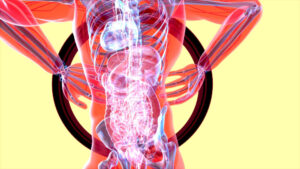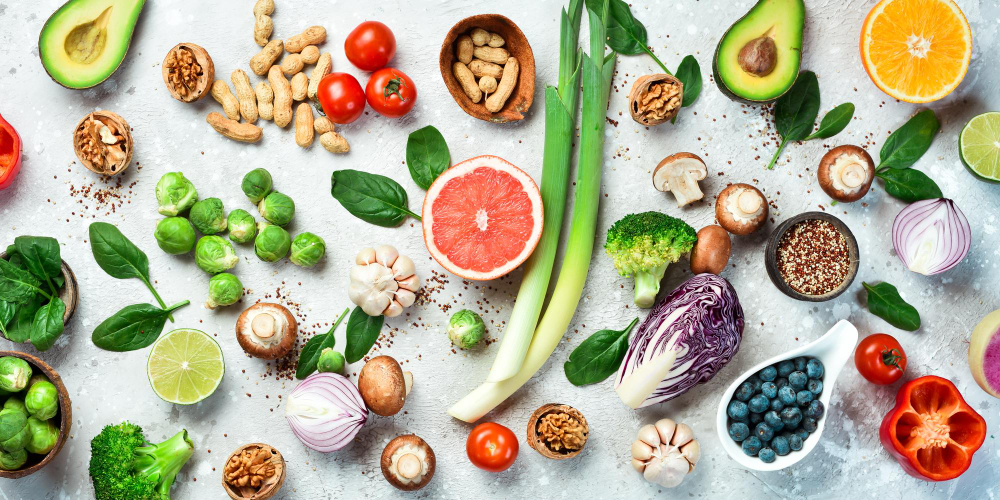
What you eat directly affects how your thyroid functions. Hormone-balancing foods like selenium-rich Brazil nuts, iodine sources such as seaweed, and zinc-packed pumpkin seeds can help support thyroid health. A nutritionist can help you build a personalized plan that fits your body’s needs.
Thyroid issues affect millions of people, yet many do not realize that food plays a direct role in how this small but powerful gland performs. When your thyroid is under strain, you may notice fatigue, weight shifts, brain fog, or mood changes that are hard to explain. Before reaching for a supplement, it is worth looking at your plate first.
Eating to support thyroid care does not require a complicated protocol. The right hormone-balance foods can give your thyroid the raw materials it needs to produce and regulate hormones effectively. This post walks you through what those foods are, why they matter, and how to start including them in your daily routine.
Why Hormone Balance Foods Matter for Thyroid Health
Your thyroid depends on specific nutrients to do its job. Without them, hormone production slows, and the effects ripple through your entire body.
The thyroid gland produces two key hormones: T3 (triiodothyronine) and T4 (thyroxine). These hormones regulate metabolism, energy, body temperature, and even mood. To make them, your thyroid needs iodine. To convert T4 into the active T3 your cells can actually use, it needs selenium. Zinc, iron, and vitamin D also play supporting roles in this process.
A diet low in these nutrients can contribute to sluggish thyroid function, even in the absence of a diagnosed condition. This is why working with a nutritionist in Brooklyn or your local area can be so valuable. A nutritional expert in Brooklyn can assess your current diet, identify gaps, and help you make changes that are sustainable and specific to your body.
Key Hormone Balance Foods to Add to Your Diet
Iodine-Rich Foods for Thyroid Hormone Production
Iodine is the building block of thyroid hormones. Without enough of it, your thyroid cannot produce T3 or T4 in adequate amounts.
Top sources of iodine include:
- Seaweed (nori, wakame, kelp): One of the most concentrated natural sources of iodine available. Portion matters here, as too much iodine can be just as problematic as too little.
- Fish and shellfish: Cod, tuna, and shrimp are reliable sources of iodine that are easy to work into weekly meals.
- Dairy products: Milk, yogurt, and cheese contribute meaningfully to daily iodine intake for many people.
- Iodized salt: A practical source, though worth balancing against overall sodium intake.
If you are unsure how much iodine is right for you, a nutritionist can help you find that balance.
Selenium Sources to Support Thyroid Hormone Conversion
Selenium protects thyroid tissue from oxidative stress and enables the conversion of inactive T4 into active T3. According to the National Institutes of Health (NIH), the recommended daily amount for adults is 55 micrograms.
Foods that support this Department of your thyroid function include:
- Brazil nuts: Just one or two per day can meet your daily selenium needs.
- Salmon and tuna: Both are practical, protein-rich sources of selenium.
- Eggs: A versatile everyday option that also provides iodine and vitamin D.
- Sunflower seeds: A good plant-based option for those who prefer to limit animal products.
Zinc and Iron for Thyroid Function
Zinc supports thyroid hormone synthesis, while iron helps your body convert thyroid hormones into usable forms. Low iron levels are frequently linked to thyroid dysfunction, particularly in women.
Foods to prioritize include:
- Pumpkin seeds: Rich in zinc and easy to add to salads, oatmeal, or eaten as a snack.
- Lean beef and poultry: Both provide heme iron, which your body absorbs more readily than plant-based iron.
- Lentils and chickpeas: Good plant-based sources of both iron and zinc.
- Spinach: Provides non-heme iron alongside magnesium and other essential minerals.
Foods That May Interfere With Thyroid Function
Knowing what to add is only part of the picture. Some foods, when eaten in very large amounts, may interfere with thyroid hormone production.
Raw cruciferous vegetables like kale, broccoli, and cabbage contain compounds called goitrogens, which can reduce iodine uptake in the thyroid. Cooking these vegetables significantly reduces their goitrogenic activity, so there is no need to avoid them entirely. Moderation and preparation are the real considerations here.
Highly processed foods, refined sugars, and alcohol can also contribute to inflammation that places additional stress on thyroid function. Reducing these over time supports your hormone balance from the inside out.
When to Seek Personalized Support
Eating to support thyroid care is a meaningful step, but it is not a replacement for medical care. If you are experiencing persistent symptoms such as unexplained fatigue, sensitivity to cold, hair thinning, or weight changes, speak with your doctor.
From a nutrition standpoint, a nutritional expert can work alongside your medical team to create a food plan tailored to your thyroid needs. They can review your labs, identify nutritional gaps, and guide you through dietary changes in a way that supports this important aspect of your overall health.
You do not have to figure this out on your own. Personalized guidance makes the process clearer and more effective. Reach out today by calling +1-718-367-2555 or visiting us at 1797 Pitkin Avenue, Brooklyn, NY 1121, for personalized nutrition support.