High blood pressure often creeps up quietly. You feel fine, and then a routine reading reveals numbers that worry you or someone you love. It is a common fear, and it matters because untreated hypertension raises the risk of heart attack and stroke.
Here is the reassuring part. Where you live can help. A walkable Brooklyn neighborhood makes a healthy lifestyle easier to reach, because daily movement becomes part of your routine instead of another task on your list. Short walks to the store, the park, or the train add up. Over time, that steady activity can protect your heart and lower your blood pressure, giving you and your family real peace of mind.
Why Walking Supports a Healthy Lifestyle
Movement is medicine. The good news is that it does not require a gym membership or intense workouts.
The CDC recommends at least two and a half hours of moderate activity each week, such as brisk walking, to help prevent high blood pressure. A walkable neighborhood makes hitting that goal feel natural. For families managing chronic illness or recovery at home, this kind of gentle, consistent movement fits easily into daily life.
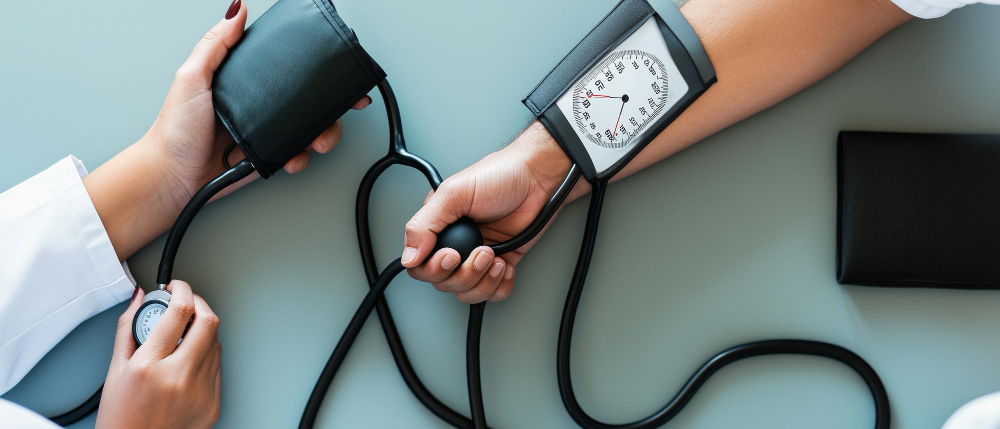
If you have questions about your own numbers, your primary care team can review your blood pressure and build a plan around your needs. Small, steady changes often make the biggest difference.
The Heart Health Benefits of Daily Steps
A brisk 30-minute walk most days of the week can lower blood pressure and improve cholesterol, according to the American Heart Association. Walking also supports:
- Weight management: Regular walking helps you maintain a healthy weight, which eases strain on your heart.
- Stress relief: Time outdoors calms the mind and can lower blood pressure over time.
- Better sleep: Daily movement helps you rest more soundly, which supports overall recovery.
How Walkable Neighborhoods Lower Hypertension Risk
Your surroundings shape your habits. When errands and green spaces are within walking distance, you move more without thinking about it.
Research shared by the American Heart Association found that people in walkable neighborhoods tend to have lower cardiovascular disease and fewer risk factors like high blood pressure. Brooklyn, with its tree-lined blocks, parks, and connected streets, offers exactly this kind of setting. Building health awareness around these everyday choices helps you make the most of what your neighborhood already provides.
Simple Ways to Walk More in Brooklyn
You do not need a major schedule change. Try these gentle starting points:
- Walk to the grocery store or pharmacy instead of driving.
- Take a family stroll through Prospect Park after dinner.
- Get off the train one stop early and walk the rest.
- Choose stairs over the elevator when it is safe to do so.
For more heart-friendly habits, our guide on managing blood pressure at home offers practical, everyday steps. Raising health awareness in your household means everyone benefits together.
Bringing Care Home
Not everyone can travel easily for checkups. If you or a loved one is recovering from surgery, managing a chronic condition, or simply needs support, help can come to you.
An annual physical and regular monitoring keep your health on track. Our compassionate team offers flexible, in-home visits designed around your family’s needs. You do not have to manage this alone.
Take the first step toward a healthier heart. Reach out to our care team today by calling us at +1-718-367-2555 or visiting us at 1797 Pitkin Avenue, Brooklyn, NY 11212, to schedule a visit and protect the people you love.