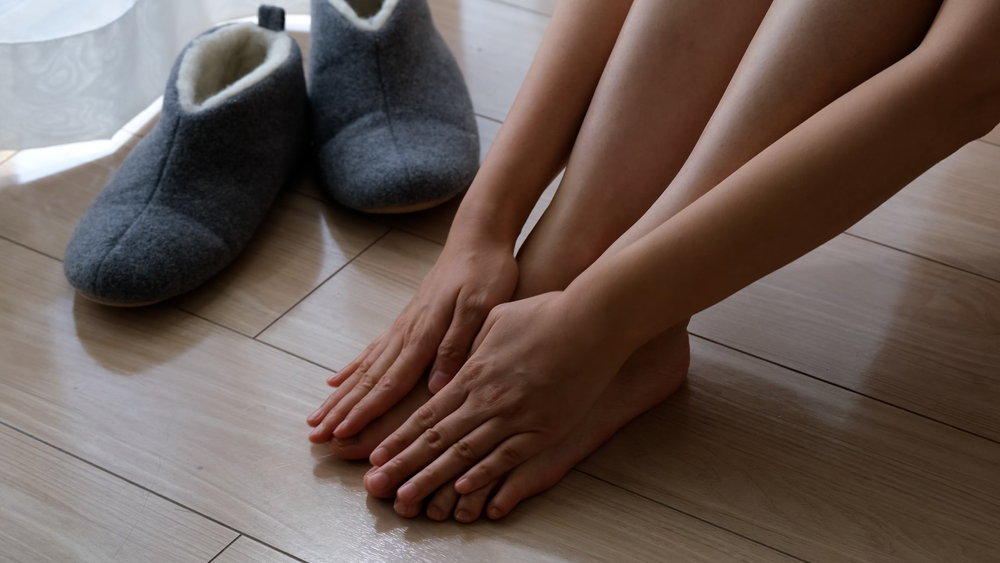
When the cold weather arrives, we bundle up in coats, scarves, and gloves, but our feet are often an afterthought, hidden away in thick socks and heavy boots. This “out of sight, out of mind” approach can lead to a host of uncomfortable and even painful foot problems. The question of how to care for your feet in winter. It is an important one, as the combination of cold temperatures and damp conditions creates a unique set of challenges. By adopting a few simple foot care tips, you can ensure your feet stay healthy, warm, and comfortable all season long. Get a consultation with the best Podiatrists in Brooklyn.
Essential Foot Care Tips for the Colder Months
Winter brings specific risks to foot health, from dry, cracked skin to more serious issues like fungal infections or chilblains. Paying extra attention to your feet during this time is crucial for overall well-being.
Keep Your Feet Dry and Warm
The most fundamental rule of winter foot care is to keep your feet both warm and dry. Cold, wet feet are not just uncomfortable; they are also more susceptible to problems.
- Choose the Right Socks: Opt for socks made from moisture-wicking materials like wool or synthetic blends designed for athletic wear. Cotton socks should be avoided, as they absorb sweat and hold moisture against your skin, making your feet colder and creating a breeding ground for fungus.
- Invest in Waterproof Footwear: Wear insulated, waterproof boots when you’re outdoors in snow or slush. Make sure your boots fit well and aren’t too tight, as cramped toes can restrict circulation and make your feet feel colder.
- Dry Your Boots Thoroughly: Never put your feet into damp boots. If your footwear gets wet, remove the insoles and allow them to air dry completely before wearing them again.
Moisturize Daily
The cold, dry air of winter, combined with indoor heating, can strip moisture from your skin, leading to painful cracked heels and dry, flaky skin on your feet.
- Establish a Routine: Make it a habit to apply a thick, high-quality moisturizer to your feet every day, preferably after a bath or shower when your skin is still slightly damp.
- Focus on Heels: Pay special attention to your heels, as this area is particularly prone to cracking.
- Avoid Moisturizing Between Toes: Applying lotion between your toes can create excess moisture, which can encourage fungal growth.
How to Care for Your Feet in Winter: Common Problems and Solutions
Even with preventative care, some common winter foot issues can arise. Knowing how to handle them is key.
Chilblains
Chilblains are small, itchy, and painful red swellings that can appear on the toes after exposure to cold, but not freezing, temperatures. They are caused by an abnormal reaction to the cold that affects small blood vessels. To prevent them, avoid rapid temperature changes, like warming icy-cold feet directly in front of a heater. If you develop chilblains, keep your feet warm and resist the urge to scratch. If they are severe or don’t improve, it’s wise to consult a podiatrist.
This fungal infection thrives in warm, moist environments. Thick winter socks and non-breathable boots can create the perfect conditions for it to develop. Symptoms include itching, scaling, and redness between the toes. To prevent it, keep your feet dry, change your socks daily, and alternate your shoes to allow them to dry out.
Wearing tight-fitting winter boots can put pressure on your toes, increasing the risk of ingrown toenails. To prevent this, ensure your footwear has a roomy toe box. Cut your toenails straight across and not too short, avoiding curving the corners.
When to Seek Professional Help
While many winter foot issues can be managed at home, some symptoms warrant a visit to a specialist. If you experience persistent pain, numbness, discoloration, or sores that won’t heal, it’s time to seek professional medical advice. Individuals with diabetes should be especially vigilant about their foot health in winter and should have regular check-ups.
A visit to a podiatry clinic in Brooklyn can provide you with a definitive diagnosis and a personalized treatment plan. A podiatrist can address issues like severely cracked heels, persistent fungal infections, or painful ingrown toenails that don’t respond to home care.
Don’t let foot pain put a damper on your winter season. By following these foot care tips, you can protect your feet from the harsh elements and keep them comfortable until spring. If you find yourself struggling with persistent issues, remember that expert help is available. Scheduling a consultation at a podiatry clinic in Brooklyn can help you address any problems and ensure your feet are in the best possible shape. At Doral Health & Wellness, we have Podiatrists with extensive education and expertise. Our address is 1797 Pitkin Avenue, New York, NY 11212. To make an appointment, please call + 1 718 367 2555, or register your information and make direct contact with us at https://yuz88hfiyh7.typeform.com/Doralintake or send an email to info@doralhw.org.