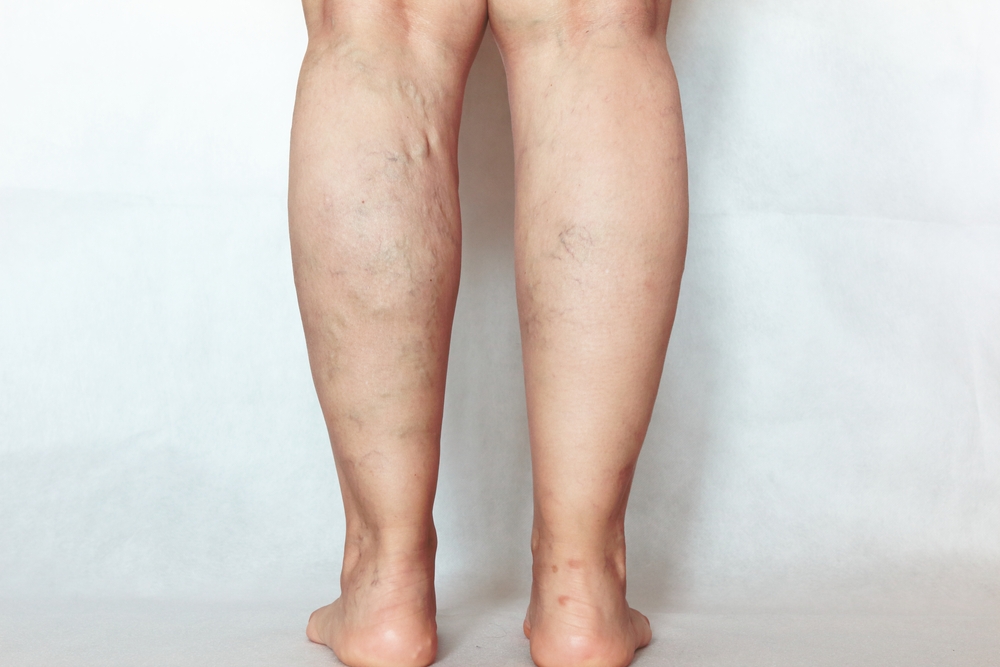
The excitement of planning a long-distance trip is often focused on destinations and itineraries, but it is equally important to think about your health during the journey. Sitting for extended periods in a plane, car, or train can significantly increase your risk of developing deep vein thrombosis (DVT), a serious condition where a blood clot forms in a deep vein, usually in the legs. Understanding the tips to manage DVT risks in long-distance travel is crucial for ensuring your adventure is safe from start to finish. With a few simple, proactive steps, you can keep your blood flowing and your body healthy. Get a consultation with the best vascular disease specialists in Brooklyn.
Understanding DVT and Travel
Deep vein thrombosis occurs when blood flow slows down or stops, allowing blood cells to clump together and form a clot. Long-distance travel, defined as any journey lasting more than four hours, creates the perfect environment for this to happen. The combination of prolonged immobility, cramped seating, and dehydration can put anyone at risk.
The biggest danger of DVT is that a piece of the clot can break off, travel through the bloodstream, and lodge in the lungs, causing a life-threatening pulmonary embolism.
Key Tips to Manage DVT Risks in Long-Distance Travel
You have the power to significantly lower your risk by staying active and mindful during your journey. These strategies are easy to implement and highly effective.
1. Move Your Body Frequently
The most important thing you can do is avoid staying in one position for too long. Movement keeps your calf muscles pumping, which helps circulate blood back to your heart.
- In-flight exercises: While seated, perform simple ankle circles, foot pumps (flexing your feet up and down), and knee lifts every hour.
- Get up and walk: If possible, take a short walk down the aisle of the plane or train every one to two hours.
- Plan for stops: If you are traveling by car, make regular stops to get out, stretch your legs, and walk around for a few minutes.
2. Stay Hydrated and Make Smart Choices
Dehydration can cause your blood to thicken, making clots more likely to form.
- Drink plenty of water: Sip water consistently throughout your journey.
- Avoid alcohol and caffeine: These substances can contribute to dehydration. Opt for water or herbal tea instead.
3. Wear the Right Attire
Your clothing can impact your circulation.
- Choose loose-fitting clothes: Tight clothing around your waist or legs can restrict blood flow.
- Consider compression stockings: These specially designed socks apply gentle pressure to your legs, helping to maintain blood flow and reduce swelling. A vascular health specialist can recommend the right grade of compression for you.
When Should You Seek Professional Advice?
While these tips are helpful for all travelers, some individuals have a higher risk of DVT. Factors include a personal or family history of blood clots, recent surgery, pregnancy, obesity, and certain medical conditions.
If you have any of these risk factors, it is essential to speak with a doctor before your trip. A vascular health specialist can assess your specific situation and may recommend additional preventative measures, such as medication. For individuals living in New York, a consultation at Doral Health & Wellness Vascular Health Department in Brooklyn can provide peace of mind and personalized travel health advice.
Your health should always be a top priority, especially when traveling. By incorporating these tips to manage DVT risks in long-distance travel, you can arrive at your destination safely and ready for your adventure. Remember to move often, stay hydrated, and dress comfortably. For any vascular problems, call us on +1-718-367-2555.
The Vascular Disease Specialists at Doral Health & Wellness consistently have outstanding patient satisfaction ratings. The professionals at Doral Health & Wellness Vascular Health Department in Brooklyn can improve your health and quality of life because of their vast training and experience. New Yorkers can get the greatest medical and surgical vascular care at Doral Health & Wellness Brooklyn. If you need help, register your information and make direct contact with our doctors at https://yuz88hfiyh7.typeform.com/Doralintake or send an email to info@doralhw.org. Visit us at 1797 Pitkin Avenue, Brooklyn, NY 11212.