Feeling constantly exhausted or noticing unusual bruises can be frightening. Many people brush off these physical changes as the result of a busy schedule, high stress, or a passing virus. However, when these issues persist for weeks, they might point to a more serious underlying condition affecting your blood and immune system. Knowing the exact signs and symptoms of acute leukemia helps you seek rapid medical attention and secure an accurate diagnosis.
Because this fast-moving cancer starts in the bone marrow and crowds out healthy blood cells, early detection remains critical for effective treatment. Let us break down the key warning signals you should never ignore and explore how expert medical testing can protect your overall health. At Doral Health & Wellness, we have all the answers you need.
Identifying the Signs and Symptoms of Acute Leukemia
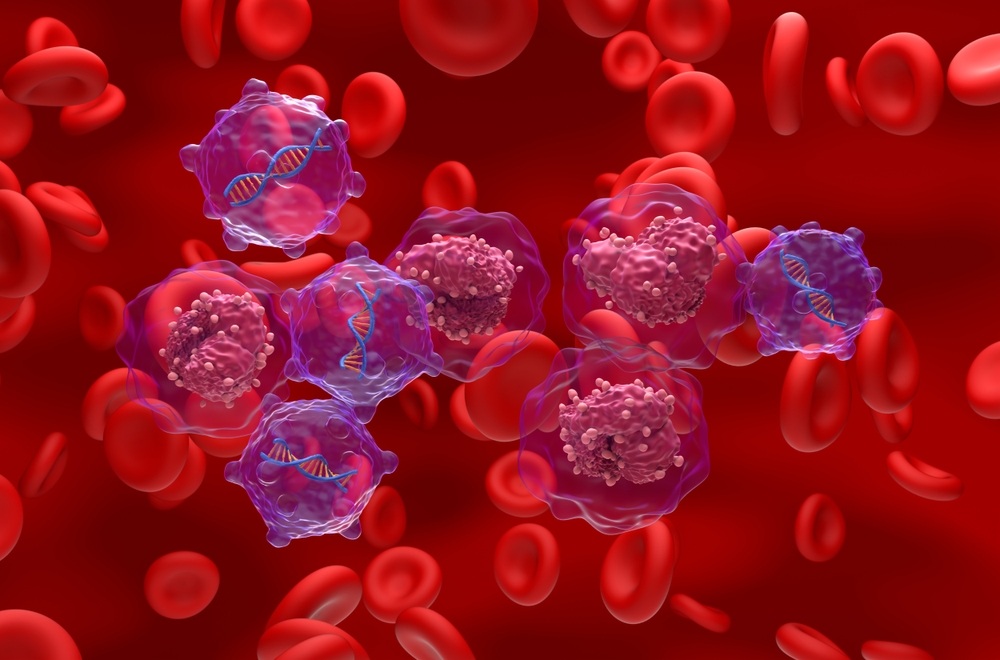
Acute leukemia develops rapidly, meaning the physical warning signs usually appear suddenly and worsen over a short period. The disease prevents your body from producing normal red blood cells, white blood cells, and platelets.
The most common signs and symptoms of acute leukemia include:
- Persistent fatigue and weakness: A lack of healthy red blood cells leads to severe anemia, making you feel constantly out of breath and tired.
- Frequent or severe infections: Abnormal white blood cells cannot fight off germs effectively.
- Easy bleeding and bruising: Low platelet counts cause unusual bruising, frequent nosebleeds, or bleeding gums.
- Bone and joint pain: The buildup of leukemia cells inside the bone marrow creates a deep, aching pressure in your joints.
Frequent Illnesses and Immune System Drops
Because leukemia severely weakens your body’s natural defenses, you might experience constant fevers or repeated respiratory infections. Sometimes, patients initially assume they are dealing with severe seasonal allergies or a recurring immune deficiency. You might even consult an allergist to figure out why your body feels so consistently run down.
While an allergist can easily rule out specific environmental triggers or standard allergic reactions, persistent infections require comprehensive blood testing. Checking your complete blood count is the only way to confirm if your white blood cells are functioning normally.
When to Seek Professional Medical Care
Diagnosing blood cancer requires highly specialized care. If your health continues to decline despite standard treatments, you need a thorough medical evaluation immediately. Visiting a highly rated immunology clinic in Brooklyn can be a crucial first step if you suspect a severe immune disorder.
The specialists at an immunology clinic in Brooklyn can run detailed blood panels to assess your immune function. If these targeted tests show abnormal cell growth or dangerously low blood counts, they will immediately refer you to a hematologist or oncologist for a formal leukemia diagnosis and treatment plan.
Unexplained Bleeding and Tiny Red Spots
Another major indicator that you need a doctor’s visit is the sudden appearance of petechiae. These are tiny, flat, red or purple spots on your skin caused by minor bleeding from broken capillary blood vessels. When paired with swollen lymph nodes in your neck or armpits, you must prioritize a medical evaluation over waiting for the symptoms to pass.
Take Action for Your Long-Term Health
You do not have to navigate frightening health changes alone. Recognizing the early warning signs empowers you to take control of your well-being and find the right medical support.
If you experience persistent fatigue, unusual bruising, or constant infections, reach out to us by calling +1-718-367-2555 to book your appointment now to receive the best-in-class treatment that helps manage your allergies for a better life. If you need help, register your information at https://yuz88hfiyh7.typeform.com/Doralintake. Or visit us at 1797 Pitkin Avenue, Brooklyn, NY 11212.