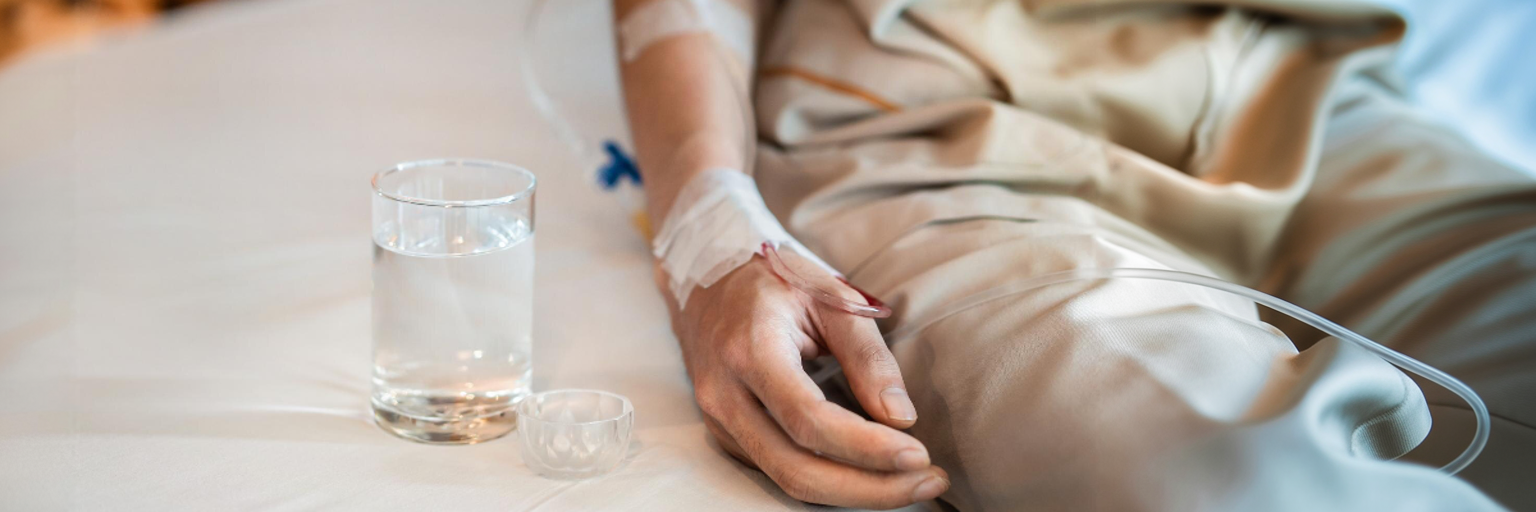
For individuals undergoing dialysis, managing fluid balance is one of the most critical and challenging aspects of daily life. The concept of hydration on dialysis can seem contradictory; while the body needs water to function, too much fluid can be dangerous when the kidneys can no longer process it. The goal is to maintain a state of balance, avoiding both dehydration and fluid overload. Mastering the correct fluid intake for dialysis patients is essential for minimizing complications like high blood pressure, swelling, and shortness of breath. By adopting smart, kidney-friendly hydration tips, you can effectively manage thirst and stay comfortable between treatments.
At Doral Health & Wellness, we are proud of our commitment to the East New York community to provide integrated interdisciplinary health services in an innovative medical facility dedicated to the health and well-being of our patients. Our specialists deliver trusted medical treatments and personalized quality care to guide you through every step of your health journey. We provide a supportive environment where you can receive expert guidance on all aspects of your care, including fluid management.
Why Fluid Intake for Dialysis Patients Is So Important
When your kidneys function correctly, they automatically remove excess fluid from your body, which is then excreted as urine. However, for individuals on dialysis, this natural process is either significantly impaired or has stopped completely. Dialysis treatments take over this function, but only for a few hours at a time, a few days a week.
Between sessions, any fluid you consume stays in your body. This buildup, known as fluid overload, can lead to serious health issues:
- High Blood Pressure – Excess fluid in the bloodstream increases blood volume, forcing the heart to work harder to pump blood, which raises blood pressure.
- Swelling (Edema) – Fluid can accumulate in the tissues of your hands, feet, ankles, and face.
- Pulmonary Edema – This is a dangerous condition where fluid builds up in the lungs, making it difficult to breathe.
- Strain on the Heart – Chronic fluid overload can enlarge and weaken the heart over time.
Because of these risks, your healthcare team will give you a specific daily fluid allowance. Adhering to this limit is crucial for your safety and comfort.
Understanding Your Fluid Allowance
Your daily fluid allowance is not a one-size-fits-all number. It is personalized based on several factors, including your body size, the type of dialysis you receive, and how much urine, if any, you still produce.
How It Is Calculated
Your care team, including your nephrologist and renal dietitian, will determine your recommended intake. Generally, the goal is to limit your weight gain between dialysis sessions to a manageable amount. The more fluid you gain, the more must be removed during treatment, which can lead to uncomfortable side effects like cramping, nausea, and drops in blood pressure.
Identifying All Sources of Fluid
Managing your fluid intake means accounting for everything that is liquid at room temperature. This includes more than just water.
- Beverages – Water, coffee, tea, soda, juice, and milk.
- Soups and Broths – These are almost entirely fluid.
- Frozen Treats – Ice cream, sherbet, sorbet, gelatin, and popsicles all melt into liquid.
- Ice Cubes – Remember that ice is just frozen fluid and counts toward your daily limit.
Effective Kidney-Friendly Hydration Tips to Manage Thirst
The biggest challenge with fluid restriction is managing thirst. Fortunately, there are many effective strategies to quench that dry-mouth feeling without exceeding your allowance.
- Control Your Sodium Intake
Sodium is the primary driver of thirst. The more salt you consume, the thirstier you will feel.
- Avoid Processed Foods – Canned goods, frozen dinners, and fast food are often loaded with sodium.
- Read Labels – Choose low-sodium products and be wary of hidden salt in condiments and sauces.
- Flavor with Spices – Use herbs, spices, lemon juice, or vinegar to season your food instead of salt.
- Sip, Don’t Gulp
Pacing your fluid intake throughout the day can make a big difference.
- Use Small Cups – Drinking from a smaller glass can make it feel like you are consuming more.
- Measure Your Fluids – At the beginning of the day, measure out your total fluid allowance into a pitcher. This gives you a clear visual of how much you have left for the day.
- Tricks to Moisten Your Mouth
Sometimes, the feeling of thirst is just about having a dry mouth.
- Sour Power – Sucking on a piece of sour candy, a lemon or lime wedge, or a sugar-free lozenge can stimulate saliva production and relieve dryness.
- Frozen Fruit – Try sucking on a frozen grape or a small piece of frozen pineapple. This provides a burst of flavor and coldness with very little fluid.
- Brush Your Teeth – Using mouthwash or simply brushing your teeth can leave your mouth feeling fresh and less dry.
The Role of Expert Guidance in Dialysis Care
Successfully managing hydration on dialysis requires a collaborative effort with your healthcare team. Regular communication is essential for making adjustments and ensuring your plan is working for you. Patients receiving dialysis in NYC have access to top-tier medical teams who can provide this level of personalized care.
A renal dietitian is a vital resource. They can provide detailed lists of low-fluid, low-sodium food options and help you create meal plans that are both satisfying and safe. If you are struggling, a specialist at a dialysis clinic in Brooklyn can review your medications and lab results to identify any other contributing factors.
When looking for “dialysis near me,” it is important to choose a facility that offers comprehensive support, including nutritional counseling and patient education. This ensures you have all the tools you need to manage your health effectively.
Mastering hydration on dialysis is a delicate balancing act, but it is one you can achieve with the right knowledge and strategies. By understanding your fluid allowance, accounting for all sources of liquid, and using smart kidney-friendly hydration tips to manage thirst, you can avoid the dangers of fluid overload and make your treatments more comfortable. Controlling your sodium intake is the most powerful tool in this process. Remember, you are not alone in this journey. Your healthcare team is your partner, ready to provide the guidance and support necessary to help you feel your best while living on dialysis.
Your health is our priority. To learn more about our comprehensive dialysis services and receive personalized guidance on your fluid management plan, contact Doral Health & Wellness today at 1-718-365-2555 or visit us at 1797 Pitkin Avenue, Brooklyn, New York 11212. We are committed to providing the supportive and expert care you deserve. For general information about Doral Health & Wellness services, you can contact or email info@doralhw.org.