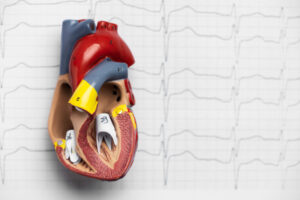
Inappropriate sinus tachycardia is a condition where your heart beats faster than normal at rest, often above 100 beats per minute, without a clear medical cause like fever or anxiety. It can cause fatigue, palpitations, and dizziness. A cardiologist can confirm the diagnosis through testing and recommend treatments to help your heart rate settle and your daily life feel steady again.
A racing heart while you are simply sitting still is unsettling. You check your pulse, try to calm down, and it still will not slow. This is the reality for people living with inappropriate sinus tachycardia, a condition where the heart’s natural pacemaker fires faster than it should, even when your body is at rest.
If this sounds familiar, you are not imagining it, and you are not alone. This condition is recognized and treatable, and understanding what is happening in your chest is the first step toward relief.
What Is Inappropriate Sinus Tachycardia?
Inappropriate sinus tachycardia, often shortened to IST, occurs when the heart’s sinus node, its natural pacemaker, sends signals faster than expected during rest. A normal resting heart rate falls between 60 and 100 beats per minute. With IST, your resting pulse often climbs above 100 beats per minute without an obvious trigger like exercise, fever, or dehydration.
This differs from other fast heart rhythms because the heartbeat itself remains regular. It is simply moving at a pace your body did not ask for.
Who Is Most Affected?
IST most commonly affects women between the ages of 20 and 50, though it can appear at any age. Many patients describe it as feeling like their heart runs a quiet marathon all day, even during the calmest moments.
What Causes a Resting Pulse That Won’t Settle?
The exact cause of inappropriate sinus tachycardia is not always clear, which can feel frustrating when you simply want answers. Researchers believe it may stem from an oversensitive sinus node or an imbalance in the autonomic nervous system, the part of your body that regulates heart rate without conscious effort.
Common contributing factors include:
- Autonomic dysfunction: An imbalance between the nervous system signals that speed up and slow down your heart.
- Prior viral illness: Some patients notice symptoms beginning after a viral infection.
- Deconditioning: Extended bed rest or reduced physical activity can affect how your heart regulates itself.
- Heightened sinus node sensitivity: The sinus node may simply respond more strongly to normal stimuli like standing or mild stress.
Symptoms That Signal It Is Time to See a Cardiologist
Your body often tells you something is off long before you have a name for it. Watch for these signs:
- Persistent heart racing at rest, often without a clear trigger
- Fatigue that does not improve with rest
- Palpitations or a fluttering sensation in your chest
- Dizziness or lightheadedness, especially when standing
- Shortness of breath during everyday activities
These symptoms deserve attention from a cardiologist, since other heart rhythm conditions can look similar and require different treatment approaches.
How Is Inappropriate Sinus Tachycardia Diagnosed and Treated?
A cardiologist typically diagnoses IST using an electrocardiogram, a Holter monitor to track your heart rate over 24 to 48 hours, and sometimes additional testing to rule out thyroid issues, anemia, or other hidden causes.
Treatment Options
Once other causes are ruled out, treatment usually focuses on helping your heart rate settle through:
- Lifestyle adjustments, including hydration, gradual exercise, and stress management
- Beta blockers or ivabradine, medications that help slow the heart rate
- Ongoing monitoring with your cardiologist to track progress and adjust care as needed
Recovery looks different for everyone, but most patients see real improvement with the right combination of care and patience.
You Do Not Have to Live With a Heart That Won’t Slow Down
A heart that races without explanation can leave you feeling anxious and exhausted. You deserve clear answers and a care plan built around your needs. Our Cardiology team is here to help you understand what your heart is telling you and guide you toward steady, lasting relief. Reach out to us today by calling +1-718-367-2555 or visiting us at 1797 Pitkin Avenue, Brooklyn, NY 1121 to schedule a visit and take the next step toward a calmer heartbeat.