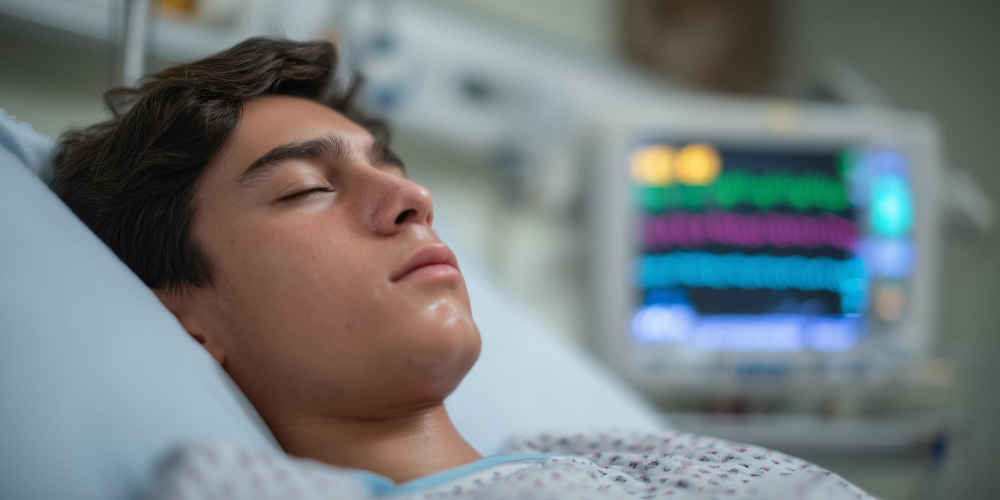
You lie down, close your eyes, and then it starts. Your heart begins to pound. Your chest feels tight, your mind races, and sleep slips further away with every beat. This is exhausting, and you are not imagining it.
Tachycardia—a heart rate faster than 100 beats per minute at rest—can strike at night and pull you into a frightening loop of fear and sleeplessness. For many people, and for their loved ones watching from the next room, these midnight episodes feel scary and isolating. The good news is that this pattern has real causes, and it can be managed. Once you understand what is happening inside your body, you can begin to calm the cycle and rest again.
Why Tachycardia and Insomnia Feed Each Other
A racing heart at night rarely happens by chance. It usually reflects a conversation between your nervous system, your stress levels, and your sleep.
Here is why it matters: when you cannot sleep, your body releases stress hormones like cortisol and adrenaline. These hormones speed up your heart. A faster heart then triggers more anxiety, which makes sleep even harder. Round and round it goes.
Common triggers include:
- Stress and anxiety. Worry keeps your fight-or-flight system switched on, raising your heart rate at rest.
- Caffeine or alcohol. Both can disrupt sleep and provoke palpitations, especially late in the day.
- Underlying heart rhythm issues. Sometimes a racing heart points to a condition that deserves a closer look from a qualified cardiologist.
- Sleep apnea. Pauses in breathing overnight can spike your heart rate and jolt you awake.
By naming your triggers, you take the first step toward quieting them. You are not powerless here.
How to Break the Night Panic Loop
The moment your heart races, panic tells you something is terribly wrong. Most of the time, the episode will pass. Still, you deserve tools that help you regain control in the moment.
Calm your body in the moment.
- Slow your breath. Inhale for four counts, hold for four, exhale for six. Longer exhales signal your body to relax.
- Ground yourself. Place a hand on your chest and name five things you can see or hear in the room.
- Cool down. A splash of cool water or a cold cloth on your face can gently slow a racing heart.
Protect your sleep during the day.
Small daytime choices shape your nights. Limit caffeine after noon, keep a steady sleep schedule, and move your body earlier in the day. Our guide to better sleep habits offers simple steps you can start tonight.
When to See a Cardiologist
Occasional palpitations are common. But some symptoms deserve prompt attention.
Reach out to a doctor if you notice:
- Frequent or long-lasting episodes of a racing heart
- Fainting, dizziness, or chest pain
- A heartbeat that feels irregular or skips
Finding the best cardiologist in Brooklyn means you get answers, not guesses. Experienced cardiologists can run simple tests, rule out serious causes, and build a care plan around your life. If leaving home feels overwhelming, in-home cardiac assessments bring that expertise to your door.
You Do Not Have to Face This Alone
Sleepless nights and a pounding heart wear you down. They affect your energy, your mood, and your family. You deserve rest and reassurance.
Understanding tachycardia is the beginning. Getting the right care is the turning point. Reach out today to schedule a Cardiology consultation with our cardiology team and take the first step toward calmer nights.