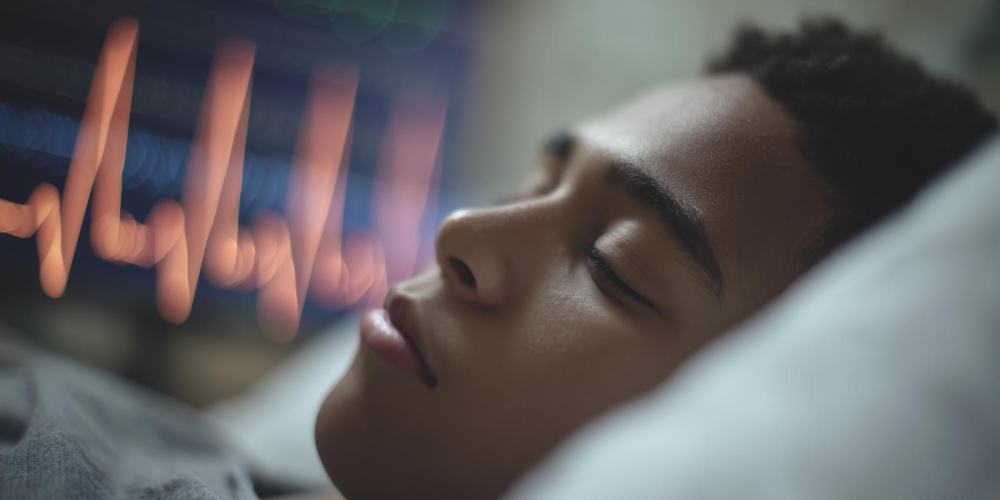
You settle in for a good night’s sleep. Then, hours later, you jolt awake with your heart pounding against your chest.
That moment is frightening. And you are not alone in feeling it.
Heart palpitations during sleep affect many people, and they often show up during REM sleep, the stage when you dream most vividly. During REM, your heart rate and breathing naturally speed up and slow down. Sometimes these shifts feel dramatic enough to wake you. Understanding what is normal and what is not can bring you real peace of mind. In this guide, we will walk through why your heart rate spikes at night, which changes are harmless, and which ones deserve a closer look from a professional.
Why Your Heart Rate Changes During REM Sleep
Your body does not rest evenly through the night. Sleep moves in cycles, and each stage affects your heart differently.
During deep sleep, your heart rate drops and stays steady. But REM sleep is different. Your brain becomes highly active, almost as if you were awake, and this triggers your nervous system to fire in bursts.
What a Normal REM Spike Looks Like
Short, temporary rises in heart rate during REM are completely expected. Here is what usually falls within a healthy range:
- Brief spikes: Your heart rate may climb for a few seconds, then settle back down.
- No lasting symptoms: You feel fine once you wake, with no chest pain or dizziness.
- Tied to dreams: Intense or emotional dreams can nudge your heart rate up briefly.
These moments are your body working exactly as designed. If you want to understand the full sleep cycle, our guide on stages of sleep explained breaks it down clearly.
When Night Palpitations Signal Something More
Now for the harder truth. Not every night spike is harmless.
Certain patterns point to an underlying issue that needs attention. Recognizing them early protects your health and your rest.
Warning Signs Worth Noting
Reach out to a professional if your heart palpitations come with any of these:
- Chest pain or pressure during or after an episode
- Shortness of breath that lingers after you wake
- Fainting or severe dizziness
- Frequent episodes that happen most nights
- A pounding heartbeat that lasts several minutes
Conditions like atrial fibrillation, thyroid problems, and sleep apnea can all trigger nighttime palpitations. According to the American Heart Association, persistent palpitations always deserve a medical evaluation.
You do not have to guess whether your symptoms are serious. Experienced cardiologists can review your history and run simple tests to find the cause.
Getting the Right Care for Heart Palpitations
Living with unexplained night spikes is exhausting. The worry alone can steal your sleep.
The good news is that most causes are treatable once identified. A proper evaluation often includes an ECG, a heart monitor you wear at home, or a sleep study.
Families across the borough often search for the best cardiologist in Brooklyn when these symptoms disrupt daily life. Working with skilled cardiologists means you get answers, a clear plan, and steady support. Many patients also find relief by pairing heart care with better sleep habits, which you can explore in our article on improving sleep quality naturally.
You deserve rest without fear.
Your Next Step Toward Peace of Mind
Heart palpitations at night can feel alarming, but they do not have to control your life. Understanding your REM sleep heart rate helps you tell normal shifts from real warning signs.
If your symptoms persist, do not wait. Connecting with our cardiology team gives you the expert, compassionate care your heart needs. Reach out today by calling us at +1-718-367-2555 or walking into our clinic at 1797 Pitkin Avenue, Brooklyn, NY 11212 to schedule a cardiology evaluation and rest a little easier tonight.