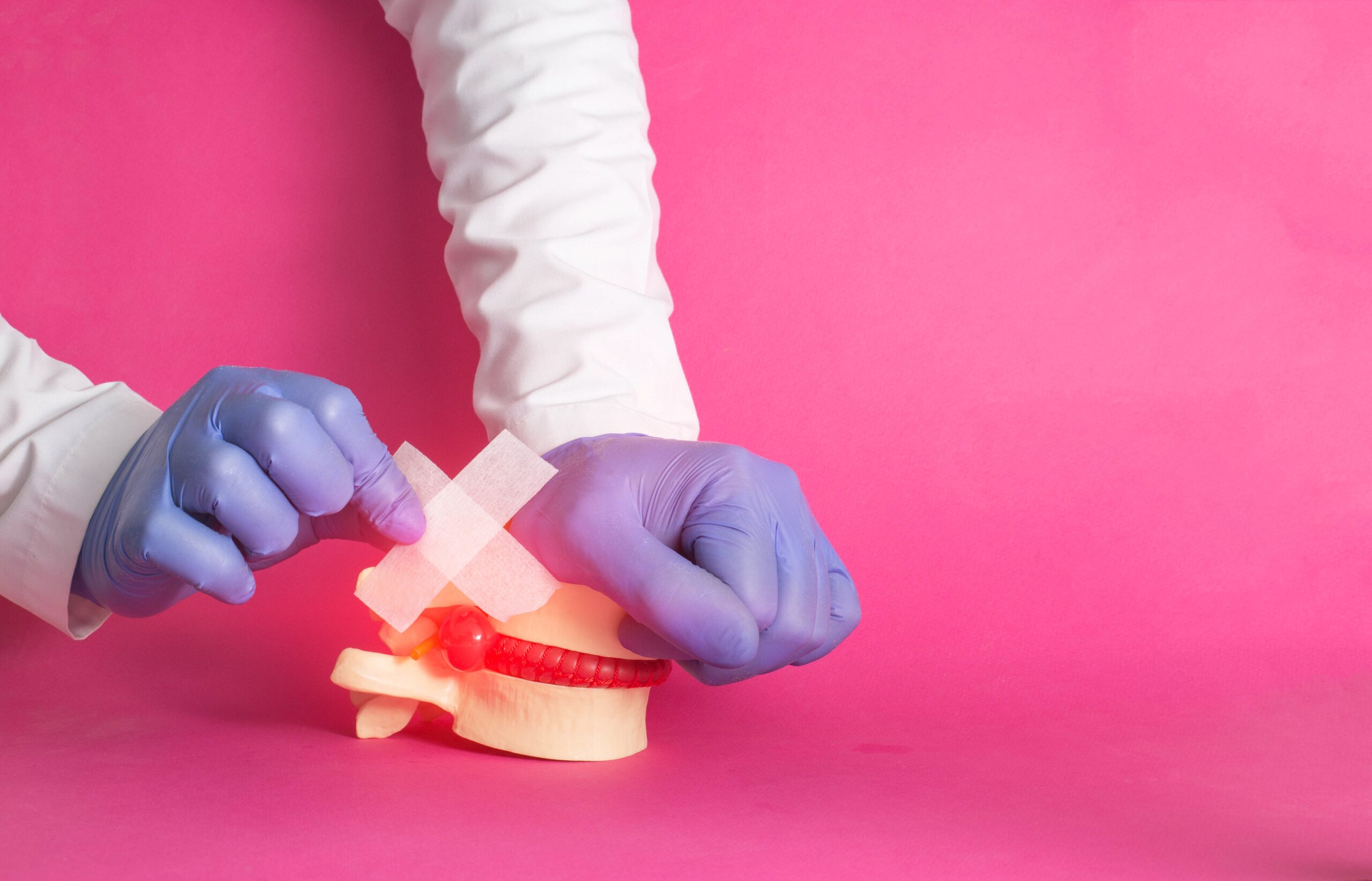
Recently, intradiscal procedures have been gaining popularity in treating disc-related chronic pain, including degenerative disc disease. If you are suffering from degenerative disc disease and experience severe pain, should you consider it? Is it effective? When should you consider this procedure? Get all these questions answered in this article about the intradiscal procedures basics FAQs. Visit the best Pain Management Clinic in Brooklyn at Doral Health & Wellness or log on to www.doralhw.org. to schedule an appointment with us.
Intradiscal Procedures Basics
These FAQs will help you understand what you need to know about intradiscal procedures.
- What are intradiscal procedures and their types?
Ans. These are minimally invasive procedures that use a variety of techniques to address disc-related pain with minimal disruption to the surrounding tissues. These procedures target the intervertebral discs, which are mostly the source of pain in conditions like disc herniation, degenerative disc disease, or discogenic pain. This can directly deliver the targeted therapy to the affected disc, which helps to alleviate pain and restore functionality while sparing healthy tissues from unnecessary damage.
These procedures have several types depending on the specific method used:
- Intradiscal Electrothermal therapy (IDET): This type of intradiscal procedure uses a heated flexible catheter that is inserted into the damaged disc to toughen the outer shell (annulus) of the disc, which contracts and repairs the damaged or destroyed painful nerves of the disc, lowering discogenic pain.
- Percutaneous Disc Decompression: In this procedure, your surgeon will remove some of the portion of the disc matter from the center of the bulging disk that causes pain, to relieve pressure on adjacent nerves and lower pain. They focus on removing as little material as possible with the help of X-ray guidance.
- Intradiscal biologic Therapy: In this procedure, doctors use an injection of biologic substances like platelet-rich plasma (PRP) or stem cells into the affected disc to promote healing and regeneration.
- Laser disk decompression: In this procedure, laser treatment is used to deflate a disk and remove some of the fluid that causes pain. They use laser heat on the disk to turn the water content into vapor to remove it. It also reduces pain by affecting the chemical structure and decreasing the pressure in the disk.
- What are the benefits of intradiscal procedures?
Ans. Here are the common benefits of intradiscal procedures, such as:
- Precise Targeting: These procedures target the precise location on the affected disc, minimize damage to surrounding tissues, and lower the risk of complications.
- Minimized trauma: Compared to traditional open surgery, these techniques are minimally invasive, which results in less tissue trauma, smaller incisions, and faster recovery times.
- Potential for regeneration: These therapies also offer disc regeneration, promoting healing and reversing the underlying pathology that leads to disc-related pain.
- What are the risks involved with intradiscal procedures?
Ans. Like any other surgical procedure, these procedures also carry some risks, such as:
- Infection at the incision site
- Damage to the disk
- Damage to surrounding tissues and nerves
- Failure to resolve pain or make the pain worse
- Need for further surgery
- What to expect for recovery from intradiscal procedures?
Ans. Recovery from intradiscal procedures usually lasts for a few days. Patients may experience some soreness or mild discomfort at the treatment site, which can be easily managed with over-the-counter pain medication. However, it is advised to avoid strenuous activities for a few days following the procedure to ensure your disc heals fully. Physical therapy may be recommended to enhance strength, flexibility, and overall spine health.
- When should you consider intradiscal procedures?
Ans. Before considering an intradiscal procedure, make sure you talk with a qualified pain specialist to determine if this treatment is suitable for your specific condition. You should consider factors like location and severity of your symptoms, underlying medical conditions, and treatment goals during the evaluation process.
These procedures are considered when conservative treatments like pain medications, physical therapy, and home remedies fail to improve your condition, and disc-related pain disrupts your daily life activities. These procedures can provide targeted relief, which alleviates pain, promotes healing, and restores function. All of this allows you to improve your quality of life. After a complete medical evaluation, your doctor may determine if intradiscal procedures are effective for your condition and then explore different intradiscal procedures with the help of a pain management specialist to finalize the treatment for disc-related pain.
- What are the conditions that can be treated with intradiscal procedures?
Ans. These procedures can be used to address disc-related pain while lowering disruption to surrounding tissues. These procedures can target intervertebral discs that are affected by conditions like disc herniation, degenerative disc disease, discogenic pain, chronic low back pain, and annular tears, by delivering targeted therapy to the affected disc to alleviate pain and restore function.
Intradiscal procedures are a good choice to treat degenerative disc disease and several other conditions that affect the disc and cause pain. These new treatments are minimally invasive procedures that deliver the medicine or therapy to the targeted disc without damaging the surrounding tissues. As it is a minimally invasive procedure, it has a faster recovery time and a lower risk of complications. However, before considering it, make sure you evaluate all the factors and take guidance from a pain management specialist to treat your disc-related pain.
Need help with degenerative disc disease? Visit our pain management clinic in Brooklyn to get professional medical help. Call us to book your appointment now!!!!!! If you’re ready to take the next step in managing your pain, we recommend consulting with our healthcare provider to explore the right treatments or therapies for you. Always listen to your body and adjust your daily routine to prioritize your well-being. Visit Doral Health & Wellness Pain Relief Department in Brooklyn, to get professional help and guidance on how to manage your problem. Call us on + 1-718-367-2555 to get a consultation. If you need help learning coping methods, register your information and make direct contact with our doctors at https://yuz88hfiyh7.typeform.com/Doralintake. Log on to www.doralhw.org. Or visit us at 1797 Pitkin Avenue, Brooklyn, NY 11212.