Healthy students are better learners. This simple truth is the foundation of a robust school health system. A critical part of ensuring student well-being is routine health screenings, which can identify potential health issues before they impact a child’s ability to learn and thrive. Understanding the key components of school health screenings is essential for parents, educators, and administrators alike. These screenings are vital components of a school health program that create a safer and healthier learning environment for everyone. By catching problems early, schools can connect students with the care they need to succeed both in and out of the classroom. Log on to www.doralhw.org for a consultation.
The Core Components of School Health Screenings
School health screenings are not meant to diagnose conditions but to identify students who may need further evaluation by a healthcare professional. A comprehensive program typically includes several key checks that address common health barriers to learning. These are some of the most important components of school health program screenings.
Vision and Hearing Screening
Difficulties with seeing or hearing are among the most common and correctable issues that affect a child’s academic performance.
- Vision Screening: Students are checked for visual acuity (clarity of vision), often using an eye chart. This helps identify potential nearsightedness, farsightedness, or other issues that could make it hard to see the board, read a book, or participate in class activities.
- Hearing Screening: This test assesses a child’s ability to hear sounds at various pitches and volumes. Undetected hearing loss can lead to speech delays, learning difficulties, and social challenges.
Early detection through these screenings can lead to simple interventions like glasses or a referral to an audiologist, dramatically improving a student’s school experience.
Growth and Development Monitoring
Monitoring a child’s physical growth can provide important clues about their overall health and nutrition.
- Height and Weight Measurement: Nurses typically measure height and weight to calculate Body Mass Index (BMI). This helps identify students who may be underweight or overweight, allowing for early intervention and nutritional counseling to promote healthy habits. While BMI is just one metric, it serves as a useful starting point for a broader health conversation.
Dental Health Screening
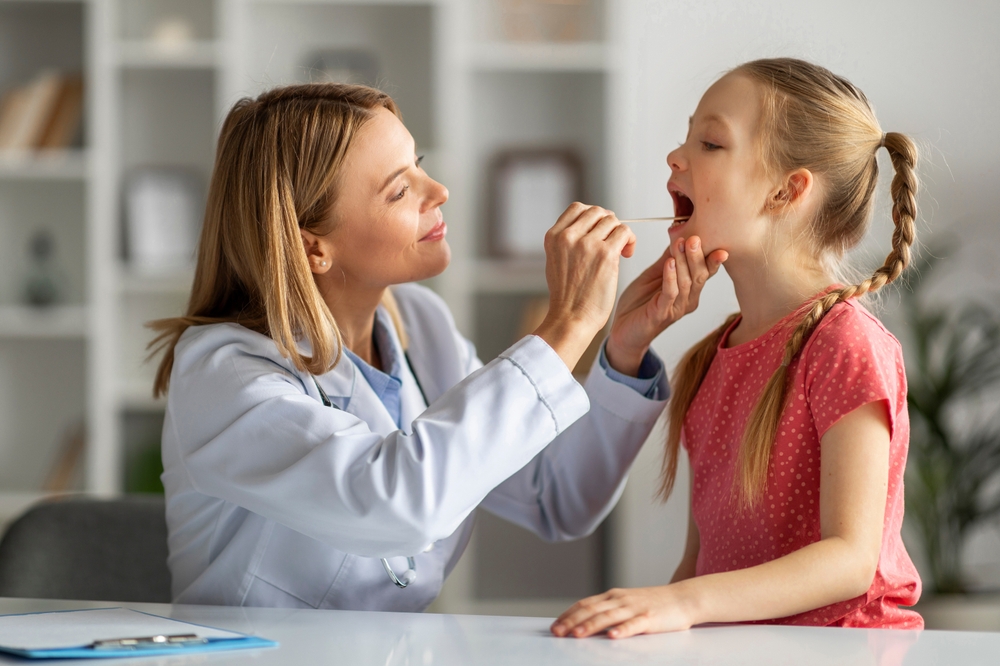
Oral health is directly linked to overall health. A painful cavity or gum issue can be distracting and lead to missed school days. Dental screenings involve a quick visual check for signs of tooth decay, gum problems, and other oral health concerns. Students identified with potential issues are referred to a dentist for a full examination and treatment.
Infectious Disease and Immunization Status
Protecting the entire school community from preventable diseases is one of the most critical functions of a school health program.
Immunization Record Review
Schools are required to ensure that all students are up-to-date on their required vaccinations. A school nurse or health aide will review each student’s immunization record to confirm compliance with state and local mandates. This process is fundamental to preventing outbreaks of diseases like measles, mumps, and whooping cough. In cases of outbreaks or specific health threats, consulting an infectious disease specialist can provide schools with expert guidance.
Screening for Infectious Diseases
While less common as a routine universal screening, schools must be prepared to screen for infectious diseases during specific situations, such as a local outbreak. This could involve temperature checks or screening for symptoms of illnesses like influenza or conjunctivitis (pink eye). An infectious disease specialist can help develop protocols for when and how to implement these screenings effectively.
The Importance of Follow-Up and Referrals
Identifying a potential issue is only the first step. Perhaps the most crucial of all key components of school health screenings is the follow-up process. When a screening indicates a potential problem, the school health team must:
- Notify Parents/Guardians: Clearly and sensitively communicate the screening results and recommend a follow-up with a healthcare provider.
- Provide Resources: Offer families information on local clinics, specialists, and financial assistance programs. For instance, a family in New York might be referred to an infectious disease specialist in Brooklyn if a specific concern arises.
- Track Outcomes: Follow up to ensure the student received the necessary evaluation and to coordinate any care needed at school, such as administering medication or providing academic accommodations.
A skilled infectious disease specialist in Brooklyn can be a valuable partner for schools in developing effective health and safety policies.
Partnering for Student Success
School health screenings are a proactive and cost-effective way to support student health and academic achievement. They serve as a safety net, catching potential problems that might otherwise go unnoticed. By understanding these essential components, parents and educators can better advocate for and support comprehensive health programs in their schools.
If a school screening raises a concern about your child’s health, it is vital to follow up with a medical professional promptly. Your child’s doctor can provide a definitive diagnosis and a plan to ensure they are healthy, present, and ready to learn. Book your appointment now, call us on + 1-718-367-2555 to get treated! Learn more about infectious diseases at www.doralhw.org. and stay up to date on current health topics and new research, on recent infectious diseases like HIV/AIDS. If you need help, register your information and make direct contact with our doctors at https://yuz88hfiyh7.typeform.com/Doralintake. Or visit us at 1797 Pitkin Avenue, Brooklyn, NY 11212.