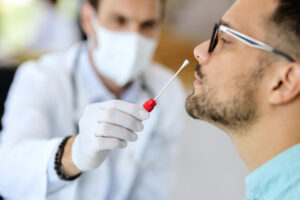
As you prepare for an upcoming trip, you likely have a checklist: book flights, reserve accommodations, and pack your bags. But one of the most important items is often overlooked. A pre-travel health screen is a crucial step to ensure you remain healthy and safe throughout your journey. This essential health check before traveling helps you prepare for any destination-specific health risks, get necessary vaccinations, and manage any existing medical conditions while you are away from home. It’s a proactive measure that protects not only your health but also your entire travel experience. Log on to www.doralhw.org for a consultation.
Why Is a Health Check Before Traveling So Important?
A pre-travel consultation is about more than just getting a few shots. It’s a comprehensive assessment of your health in the context of your specific travel plans. It allows you and your healthcare provider to anticipate potential issues and prepare accordingly.
Here’s why it’s a critical part of your trip planning:
- Destination-Specific Risks: Different parts of the world have different health risks, including food and waterborne illnesses, insect-borne diseases like malaria or dengue fever, and other infectious diseases.
- Required and Recommended Vaccinations: Some countries require proof of vaccination for entry (e.g., yellow fever). Others have recommended vaccines that can protect you from common local illnesses like typhoid or hepatitis A.
- Managing Existing Conditions: Travel can disrupt routines, making it harder to manage chronic conditions like diabetes or heart disease. A pre-travel check ensures you have enough medication and a plan to manage your health across different time zones.
- Personalized Medical Advice: Your health provider can offer tailored advice based on your age, health history, and planned activities, such as high-altitude trekking or scuba diving.
Key Elements of a Pre-Travel Health Screen
So, what exactly happens during a pre-travel health screen? The consultation is tailored to your itinerary and personal health status. A travel medicine expert, who may be an infectious disease specialist, will typically cover the following areas.
- Itinerary Review
Your provider will want to know the details of your trip, including:
- Countries and specific regions you will visit (urban vs. rural).
- The duration of your stay.
- The time of year you are traveling.
- The type of accommodation (e.g., hotel, hostel, camping).
- Planned activities (e.g., hiking, visiting animal sanctuaries).
This information helps the provider identify the specific health risks you might encounter.
- Immunization Assessment
Your vaccination history will be reviewed to ensure you are up-to-date on routine immunizations (like tetanus and measles) and to determine which travel-specific vaccines are needed. Common travel vaccines include:
- Typhoid
- Hepatitis A and B
- Yellow Fever (required for some countries)
- Rabies
- Japanese Encephalitis
- Prescription Medications and Preventive Care
Based on your destination, you may need prescriptions for preventive medications.
- Malaria Prophylaxis: If you are traveling to a region where malaria is present, you will need medication to prevent it.
- Traveler’s Diarrhea: Your doctor may provide an antibiotic to take in case of severe traveler’s diarrhea.
- Altitude Sickness: For trips to high-altitude destinations, medication can be prescribed to help you acclimatize.
Your provider will also ensure you have an adequate supply of any regular medications you take, along with a doctor’s note for customs purposes.
- General Health and Safety Education
A crucial part of the consultation is learning how to stay healthy abroad. Topics often include:
- Food and water safety.
- Insect bite prevention.
- Sun protection.
- Animal avoidance.
- Assembling a travel first-aid kit.
An experienced infectious disease specialist can offer practical, region-specific tips that go beyond generic advice.
When to Schedule Your Appointment
Timing is key. It’s best to schedule your health check before traveling, at least 4 to 6 weeks before your departure. This allows enough time for:
- Vaccines to be administered (some require multiple doses spaced weeks apart).
- Immunizations need to become fully effective.
- Ordering any special medications or supplies.
Even if you’re leaving sooner, a last-minute consultation is better than none at all. A provider, like an infectious disease specialist in Brooklyn, can still offer valuable advice and some immediate protective measures.
Plan Ahead for a Healthy Trip
Your health should be your top priority, especially when traveling. A pre-travel health screen is an investment in your well-being that ensures you can enjoy your trip with confidence and peace of mind. By taking the time to consult with a healthcare professional, you can protect yourself from preventable illnesses and be prepared for any health challenges that may arise.
Before your next adventure, make an appointment for a travel health consultation. If you live in New York, an infectious disease specialist in Brooklyn can provide expert travel medicine advice tailored to your needs, ensuring you are ready for a safe and healthy journey. Book your appointment now, call us on + 1-718-367-2555 to get treated! Learn more about infectious diseases at www.doralhw.org. and stay up to date on current health topics and new research, on recent infectious diseases like HIV/AIDS. If you need help, register your information and make direct contact with our doctors at https://yuz88hfiyh7.typeform.com/Doralintake. Or visit us at 1797 Pitkin Avenue, Brooklyn, NY 11212.