Latex allergies are more common than most people realize — and the risks are not always obvious. You might associate latex with medical gloves or rubber bands, but exposure can happen in unexpected places, from the bandages in your medicine cabinet to the foods on your dinner plate. Understanding the common hidden medical and household risks for latex allergies can help you protect yourself and your family before a reaction occurs.
Hidden Medical Risks of Latex Allergies
Medical Equipment and Procedures:
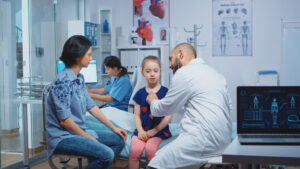
Healthcare settings are among the most significant sources of latex exposure. Medical exam gloves, catheters, IV tubing, blood pressure cuffs, and dental dams can all contain natural rubber latex. For someone with a latex allergy, a routine checkup or surgical procedure can trigger a reaction ranging from skin irritation to life-threatening anaphylaxis.
Before any procedure, tell your healthcare provider about your allergy. Ask specifically about latex-free equipment — do not assume it will be provided automatically. Many facilities maintain latex-safe areas for affected patients, but only when they know to prepare one.
People at High Risk:
Certain groups face a higher risk of developing latex allergies. People who have undergone frequent surgical procedures are particularly vulnerable, as are children with spina bifida, who often require multiple medical interventions from an early age. Healthcare workers — including nurses, pharmacists, laboratory technicians, and food service workers in clinical settings — face repeated daily exposure to latex products, which increases the likelihood of sensitization over time.
Atopic individuals, meaning those who already live with multiple allergic conditions, are also at elevated risk.
Common Household Sources of Latex Allergies
Everyday Items You May Not Suspect
Your home likely contains more latex than you realize. Balloons, rubber gloves used for cleaning, elastic waistbands in clothing, carpet backing, bandages, pacifiers, and even some toys are all potential sources of exposure. Cosmetics and Halloween face paint can contain latex as well.
Reading product labels carefully is one of the most reliable ways to reduce risk at home. When in doubt, look for items explicitly labeled latex-free.
The Latex-Food Connection
There is a well-documented relationship between latex allergies and certain food sensitivities, known as latex-food syndrome. The proteins found in natural rubber latex are structurally similar to proteins in a number of foods. Bananas, avocados, kiwis, chestnuts, tomatoes, potatoes, celery, and carrots are among the most commonly implicated. If you have a latex allergy and notice reactions after eating these foods, bring it up with your allergist — the connection may be more than coincidence.
Symptoms to Watch For
Latex allergy symptoms can appear within minutes of exposure or take a day or two to develop, depending on the type of reaction. Symptoms include:
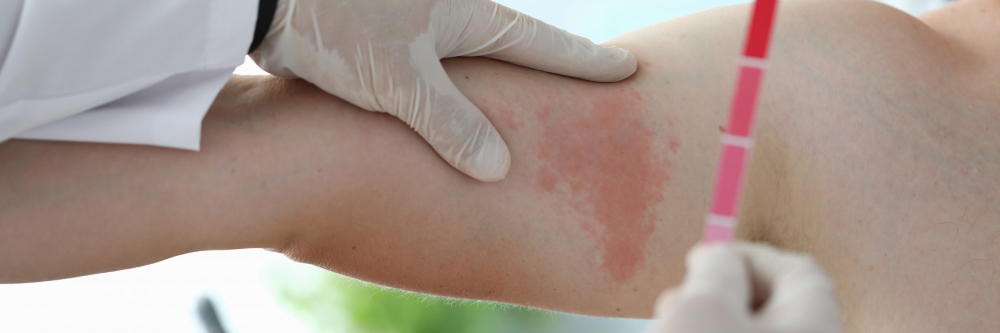
- Skin reactions: Itching, redness, hives, or a rash, particularly on areas that came into contact with latex
- Respiratory symptoms: Runny nose, sneezing, wheezing, or difficulty breathing after inhaling airborne latex particles
- Eye irritation: Watery, itchy eyes following exposure
- Swelling: Particularly around the face, lips, or tongue
Severe reactions can progress to anaphylaxis — a life-threatening emergency. If you or your loved one experiences facial swelling, trouble breathing, or trouble swallowing, call 911 immediately. These are not symptoms to wait out.
How an Allergist Can Help
Living with a latex allergy becomes more manageable with the right support. An allergist can confirm your diagnosis through blood or skin tests, help you understand the full scope of your exposure risks, and develop a personalized avoidance plan. They can also prescribe medications — including antihistamines, steroids, or an epinephrine auto-injector — to prepare you for accidental exposure.
You do not have to manage this alone. Reach out to our allergy care team today by calling +1-347-384-5690 or visit our clinic at 1797 Pitkin Avenue, Brooklyn, NY 11212 to schedule an evaluation and take the first step toward protecting yourself and your family.