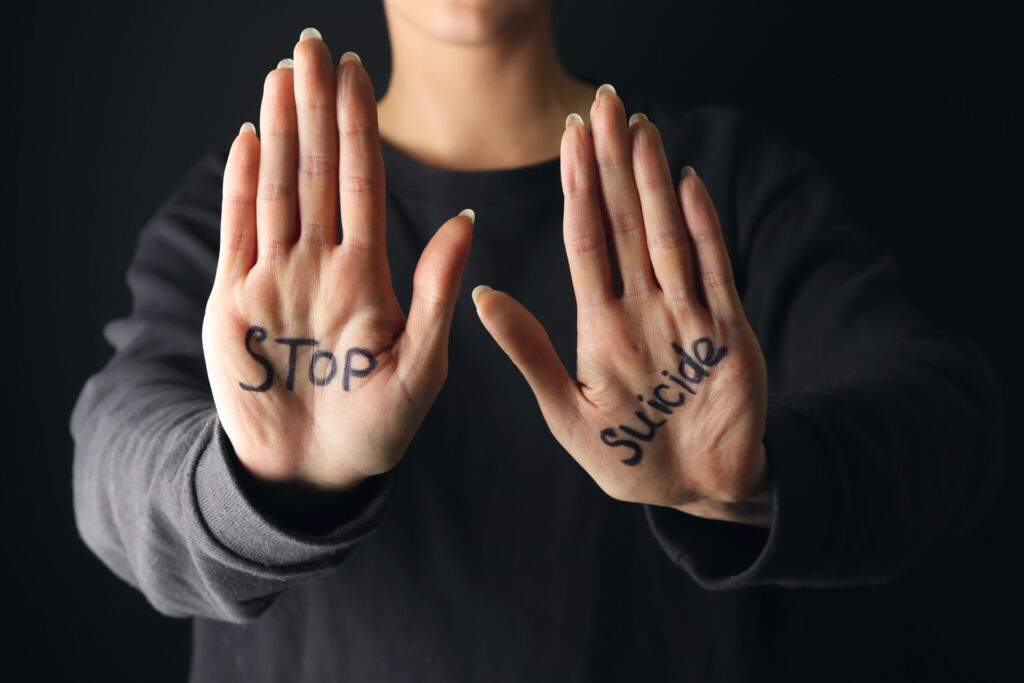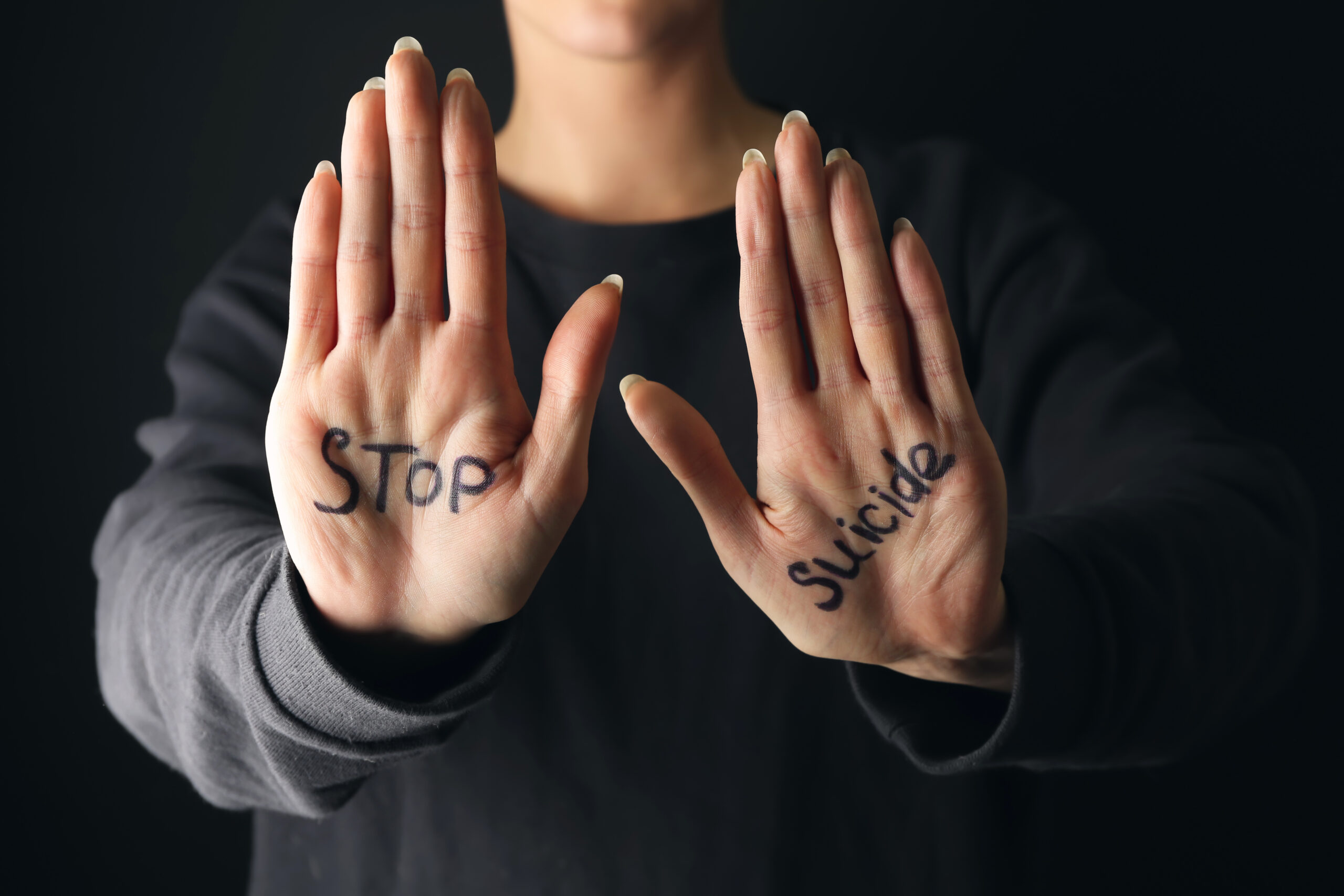
Life is a journey filled with ups and downs, and during the lowest moments, it can feel like everything is falling apart. In those moments of darkness and hopelessness, suicidal thoughts can creep in, making it seem like there’s no way out. But let’s make one thing clear: suicide is not a solution. It does not end the pain—it only passes it on to others.
In today’s world, suicide prevention has become a critical public health issue. Suicide rates have reached alarming levels globally, affecting individuals of all ages, backgrounds, and walks of life. Among the most impacted are middle-aged men, who are statistically more likely to die by suicide than women. According to 2020 data, the suicide rate among men was 3.88 times higher than among women, and an average of 130 lives are lost every day to suicide in the United States alone.
This heartbreaking reality is a call to action. Suicide prevention is not only about intervening in a crisis but also about building mental health awareness, fostering emotional support, and creating safe spaces where individuals feel seen, heard, and valued. When people feel isolated, misunderstood, or overwhelmed by life’s burdens, it’s important they know that help is available and recovery is possible.
We must shift the narrative and talk openly about mental health challenges without shame. Encouraging people to seek help, offering support without judgment, and promoting accessible mental health care are all essential steps in suicide prevention efforts.
By learning to recognize the warning signs, showing empathy, and advocating for better mental health resources, each of us can contribute to reducing the stigma around suicide and saving lives.
Mental Health Awareness and Suicide Prevention
The International Association for Suicide Prevention (IASP) organizes, and the World Health Organization (WHO) endorses World Suicide Prevention Day (WSPD), which is observed every year on September 10th. This day is dedicated to raising awareness about suicide, improving prevention efforts, and reducing the stigma around mental health.
In today’s society, suicide prevention has become more crucial than ever. Globally, over 700,000 people take their own lives each year—a number that continues to grow. Among teenagers aged 15 to 19, suicide has tragically become the fourth leading cause of death, highlighting the urgent need for effective mental health support systems.
Even more concerning is that 77% of suicides occur in low- and middle-income countries, where access to mental health services and support may be limited or nonexistent. These statistics reveal that suicide prevention needs to be addressed not only on an individual level but also through national and global health strategies.
Suicide often stems from complex causes—social pressures, psychological conditions, economic instability, and a lack of emotional support. In many cases, individuals experience mental health disorders such as depression, anxiety, PTSD, psychosis, or substance use disorders, all of which significantly raise the risk of suicidal thoughts and behaviors.
One of the most effective ways to support suicide prevention is by promoting mental health awareness. Early identification of warning signs, such as withdrawal, hopelessness, sudden mood swings, or talking about death, can be life-saving. Recognizing these symptoms early gives families, friends, and professionals the opportunity to intervene before the situation escalates.
Mental health awareness campaigns, access to therapy, community-based support programs, and the reduction of stigma around seeking help all play a major role in suicide prevention. When people are encouraged to speak up about their emotional struggles without fear of judgment, they are more likely to receive the treatment they need.
Creating safe, open environments and ensuring people know that help is available is essential. Suicide is preventable, and through education, compassion, and proactive support, we can reduce the rates of suicide and improve the lives of those who are silently suffering.
Risk Factors and the Importance of Suicide Prevention
There are multiple risk factors that can push a person toward suicidal thoughts or behavior, and understanding these is essential for effective suicide prevention. These risks often stem from personal, emotional, or social struggles that overwhelm a person’s ability to cope.
A common factor is experiencing a major life crisis, such as financial instability, job loss, or the breakdown of an important relationship. These high-stress situations can leave individuals feeling hopeless or trapped, which increases the risk of suicide if not properly addressed through timely suicide prevention strategies.
Chronic physical pain or long-term illness can also be a major contributor. Individuals who suffer from conditions like cancer, neurological disorders, or autoimmune diseases may begin to feel like a burden or lose their sense of purpose. Without emotional support and intervention, they may wrongly believe that giving up on life is the only escape from their suffering—making suicide prevention efforts in healthcare settings even more critical.
Substance abuse is another high-risk factor. People often turn to alcohol or drugs as a way to self-medicate their stress, depression, or anxiety. However, dependence on these substances can impair judgment, reduce inhibition, and make suicidal impulses more difficult to resist—especially when the person cannot access their substance of choice. This highlights the urgent need for integrated suicide prevention and addiction recovery programs.
In addition, mental health disorders such as major depression, psychosis, schizophrenia, and post-traumatic stress disorder (PTSD) are deeply linked to suicidal behavior. When untreated or poorly managed, these conditions distort reality and deepen feelings of despair. Suicide prevention efforts must prioritize early diagnosis, destigmatized care, and access to ongoing mental health support.
Social and environmental factors also play a significant role. People facing discrimination, social exclusion, violence, or emotional or physical abuse often suffer in silence. The loneliness and trauma they endure can compound over time, leading to suicidal ideation. Creating inclusive and compassionate communities is a powerful form of suicide prevention, helping individuals feel seen, valued, and supported.
In all of these cases, increasing awareness of warning signs, encouraging open dialogue, and connecting people to mental health services are essential tools in our collective suicide prevention efforts. Whether through education, advocacy, or compassionate listening, we all have a role to play in saving lives.
Warning signs
These are the signs you notice in people who can attempt suicide:
- You hear these kinds of statements like “It will be better if I’m not around, no one wants me, I better be dead, maybe I shouldn’t be around,” etc.
- Hopelessness and helpless expressions on their face all the time.
- Previous suicide attempts
- Personality changes
- Risk-taking behavior even at the cost of losing body parts or severe body damage.
- Depression
- Start living in isolation
- Give away their valuable possessions
- Loss of interest in making future plans
Understand that, if a person shows one of these signs that doesn’t mean he/she wants to end their life, but it is a signal that you should not ignore.
And remember that, 8 out of 10 people give signs that can indicate their intentions. So, whenever you get that feeling from a person you should talk to that person or seek immediate help for them. If a person is suffering from any mental condition, take them to a psychiatrist or doctor who treats them.
Prevention
You can prevent suicide from happening. There are several ways that you can help that person. These are the steps you should follow to prevent suicide, including:
- Trust your instincts if you think the person is trying to attempt suicide.
- Try to talk with that person. Listen to his/her concerns. Communication helps to change his/her thinking.
- Ask direct questions about their plans without judging them. Determine the ways he/she wants to execute his suicide. More specific details help to prevent suicide.
- Get professional help, to stop him/her. Even if he/she tries to resist you.
- Don’t leave them alone. Because they try to escape from you to make a suicide attempt.
- Do not keep it a secret. He/she might promise you that he/she won’t do it. But don’t take any chances.
- Don’t act shocked or judgmental in front of them. They might feel humiliated by that, so act calmly.
- Don’t give counseling to them. Because they are not going to listen. Instead, try to take them to a professional for help.
- Limit access to things that can be used for suicide such as harmful chemicals, firearms, certain medications, etc.
- If you note the signs of mental health conditions, give them the medications that are prescribed by the doctor or take them to visit the doctor. Therapies like talk therapy, family therapy, or group therapy are very helpful to change their thoughts and give them a chance to start taking life with a better perspective.
- Teach them about how to control their emotions and maintain a social life.
Suicide is a very serious mental health problem that should not be ignored. Losing a person not only affects his/her family or friends but affects the whole nation. So, we must never ignore the warning signs that someone gives us. Understand those signs and get professional help to make sure you save someone’s life.
Want to know how to deal with a person who has suicidal thoughts?
At Doral Health and Wellness, we have doctors that can help you manage your condition. For more information, you can visit us at 1797 Pitkin Avenue, Brooklyn, New York, 11212, or call us at 1-347-384-5690. You can also visit our website at https://doralhw.org or contact us at info@mainwebsite.dialysisny.com if you have any queries.