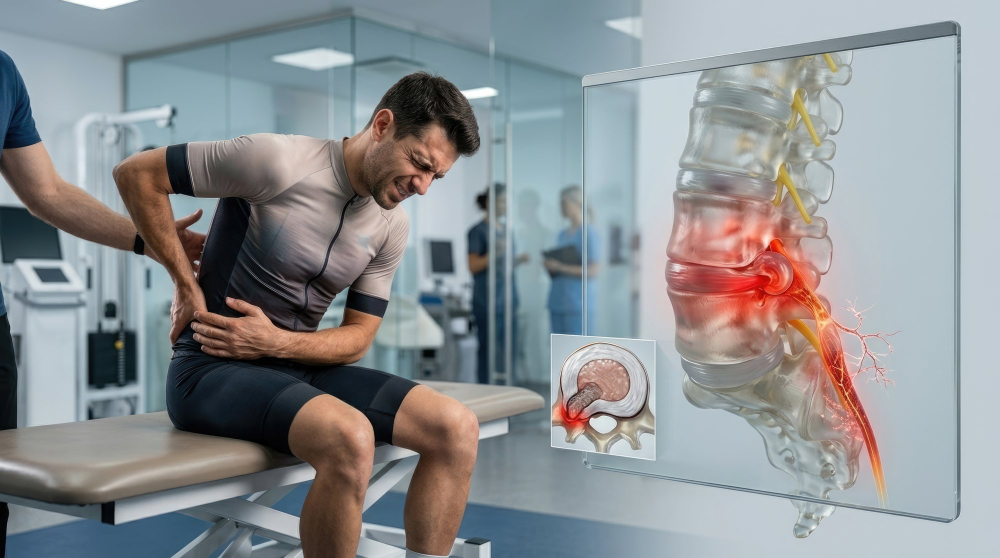
Minimally invasive lumbar decompression, often called the Mild procedure, relieves spinal stenosis by widening the spinal canal through a tiny incision, without general anesthesia or implants. It removes small amounts of bone and tissue pressing on nerves, easing pain, numbness, and difficulty walking, with most patients returning home the same day.
Living with spinal stenosis can make even a short walk feel impossible. The tightness, numbness, or burning pain that radiates down your legs is not something you have to accept as permanent. Minimally invasive lumbar decompression offers a way to widen the spinal canal for stenosis relief without the long recovery that comes with traditional spine surgery.
If pain has started limiting your days, it helps to understand exactly how this procedure works and whether it might be right for you.
What Is Minimally Invasive Lumbar Decompression?
Minimally invasive lumbar decompression, known clinically as the Mild procedure, treats lumbar spinal stenosis by removing small portions of bone and ligament tissue that are narrowing your spinal canal. This narrowing puts pressure on the nerves that control sensation and movement in your legs, which is often what causes the pain and weakness you feel when standing or walking.
How the Mild Procedure Works
A pain management doctor performs this procedure through a tiny incision, roughly the size of a baby aspirin. Using live imaging for guidance, specialized tools remove excess tissue and bone, widening the spinal canal and giving compressed nerves the space they need to recover. No general anesthesia, implants, or stitches are required, and most patients go home the same day.
Who Is a Candidate for Widening the Spinal Canal for Stenosis Relief?
You may be a strong candidate if conservative treatments like physical therapy, medication, or injections have not brought lasting relief. A thorough evaluation from a pain management doctor can confirm whether this approach fits your specific condition.
Symptoms and Conditions Treated
- Leg or buttock pain: Discomfort that worsens with standing or walking and improves when sitting or leaning forward.
- Numbness or tingling: Sensations that travel down one or both legs.
- Weakness: Difficulty maintaining balance or walking for extended periods.
- Lumbar spinal stenosis: Confirmed narrowing of the spinal canal through imaging.
Benefits of the Mild Procedure vs. Traditional Surgery
Choose minimally invasive lumbar decompression if you want meaningful relief without the risks and downtime of open spine surgery.
- No general anesthesia: Reduces surgical risk, especially for older patients.
- No implants or stitches: Lowers the chance of complications.
- Same-day recovery: Most patients return home within hours.
- Minimal scarring: The incision is smaller than a coin.
- Quick return to daily activity: Many patients resume normal routines within days.
What to Expect From a Pain Management Doctor
Your pain management doctor will begin with imaging and a review of your symptoms to confirm that spinal stenosis is the source of your pain. This step ensures the treatment plan is built around your specific condition, not a generalized approach.
The Procedure Process
The outpatient procedure typically takes under an hour. You will receive local anesthesia and light sedation, remain awake throughout, and be monitored briefly afterward before heading home. Many patients notice improved mobility within the first few weeks.
Take the Next Step Toward Relief
You do not have to keep adjusting your life around stenosis pain. Our Pain Management team has guided many patients through minimally invasive lumbar decompression, from the first consultation through full recovery. If leg pain or numbness has been holding you back, reach out to us today by calling +1-718-367-2555 or visiting us at 1797 Pitkin Avenue, Brooklyn, NY 1121 to find out if widening the spinal canal for stenosis relief is the right path for you.