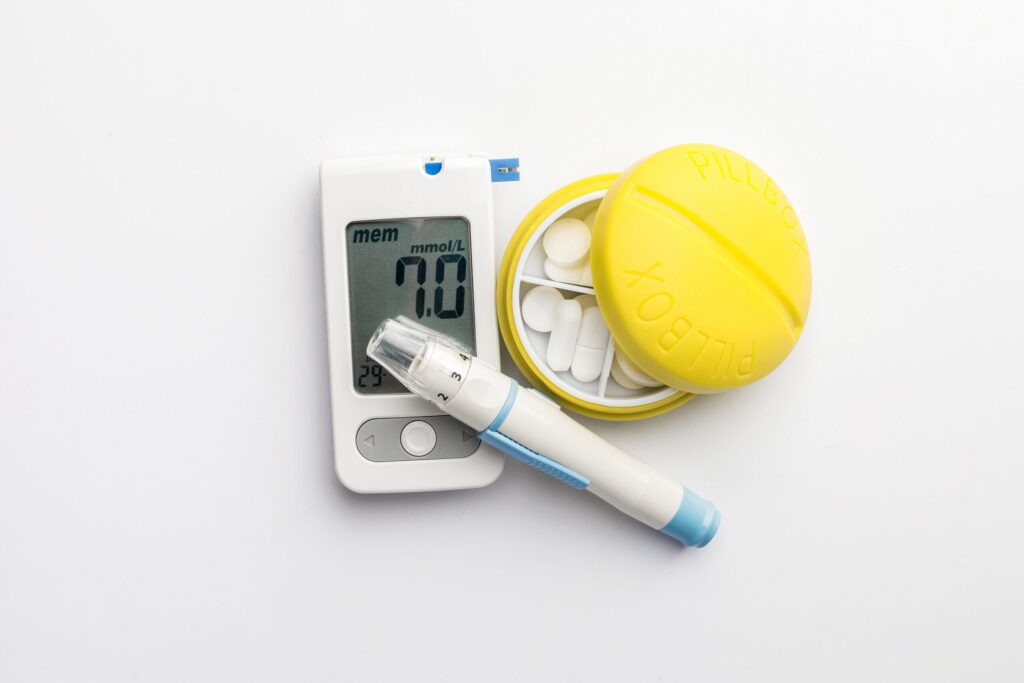
Did you know that more than 37 million people—about twice the population of New York—are currently living with diabetes in the United States? That means 1 out of every 10 Americans is affected by this chronic condition. Among these individuals, the vast majority are diagnosed with type 2 diabetes. Unlike type 1 diabetes, people with type 2 diabetes typically do not experience a complete lack of insulin. Instead, their bodies develop insulin resistance, meaning the insulin their pancreas produces is not effectively used by the cells.
This is where non-insulin diabetes treatment becomes essential. Rather than relying on insulin injections, many individuals can manage their blood sugar levels with a range of oral and non-insulin injectable medications that target different mechanisms within the body—such as improving insulin sensitivity, reducing glucose absorption, or helping the kidneys eliminate excess sugar.
Understanding your options for non-insulin diabetes treatment is crucial if you want to take control of your condition and reduce the risk of long-term complications like heart disease, kidney problems, and nerve damage. By exploring these alternatives with your healthcare provider, you can personalize your care plan to match your body’s needs and lifestyle.
In this article, we’ll break down the 5 most commonly prescribed medications used in non-insulin diabetes treatment, how they work, and what potential side effects to watch out for. Whether you’re newly diagnosed or looking to change your current treatment approach, this information will help you make informed decisions about your diabetes care.
Non-insulin diabetes treatment
While some people need to get treated with insulin due to their low insulin sensitivity and type of diabetes, most people can manage their diabetes with oral medications, non-insulin medications, and lifestyle changes.
Non-insulin medications come in both oral and injectable forms. Many varieties of oral medications for diabetes are introduced every year. Oral medications can be taken by mouth in the form of tablets or liquids.
Whereas injectable medications are injected in the vein of the arm. However, in comparison, injectable non-insulin medications are less popular and used by certain people.
5 non-insulin diabetes medications
Here are the most common 5 non-insulin diabetes medications that doctors prescribe for treatment with their side effects.
1. Exenatide (Byetta, Bydureon BCise)
What is it:
Exenatide is one of the most well-known non-insulin diabetes treatment options available for people with type 2 diabetes. It belongs to a class of medications called GLP-1 receptor agonists, which are widely recognized for their ability to lower blood sugar levels without relying on insulin. Exenatide was the first injectable non-insulin diabetes treatment approved by the U.S. Food and Drug Administration (FDA), making it a groundbreaking advancement in diabetes care.
How does it work:
As a non-insulin diabetes treatment, exenatide works by mimicking the action of a natural hormone in your body called GLP-1 (glucagon-like peptide-1). It stimulates the pancreas to release more insulin when blood glucose levels rise—especially after meals. Additionally, it slows down digestion, reduces the release of glucagon (a hormone that raises blood sugar), and limits the amount of sugar the liver releases. All of these actions contribute to more stable blood sugar levels, making it a powerful non-insulin diabetes treatment option.
Who can take it:
Exenatide is typically prescribed for adults with type 2 diabetes who have not achieved good blood sugar control with diet, exercise, or other oral medications. It’s important to note that this non-insulin diabetes treatment is not recommended for people with type 1 diabetes or diabetic ketoacidosis. If you’re pregnant or planning to become pregnant, consult your doctor first, as the safety of exenatide during pregnancy hasn’t been clearly established.
Usage instructions:
There are two versions of exenatide, and both are designed to fit into different lifestyles.
Byetta: This form of the non-insulin diabetes treatment must be injected twice daily, ideally within one hour before your two largest meals.
Bydureon BCise: A longer-acting version that requires only one injection per week, offering more convenience and better adherence for many patients.
Keep in mind: You should not take both versions at the same time. Stick to one form as prescribed by your healthcare provider.
Side effects:
Like many non-insulin diabetes treatments, exenatide may cause some side effects, especially when you first start taking it.
Common side effects include:
Nausea
Vomiting
Diarrhea
Dizziness
Headache
Acid stomach
Constipation
Weakness or jittery feelings
These symptoms usually appear in the first 1–2 weeks and tend to improve over time. However, some people may experience more serious adverse effects, such as pancreatitis (inflammation of the pancreas) or kidney problems. Always monitor how your body responds and talk to your healthcare provider if symptoms worsen.
Why it matters:
Exenatide has become a reliable non-insulin diabetes treatment option that not only manages blood sugar but also supports weight loss and improved digestion. Its once-weekly version has made it even easier for patients to stick to their treatment plans without the daily commitment that insulin often requires.
2. Dulaglutide (Trulicity):
What is it: This is another GLP-1 injectable drug.
How does it work: Similar to other GLP-1 drugs, it stimulates your pancreas to produce insulin to take glucose out of the bloodstream towards the cells. It also decreases the production of glucagon hormone, which stops the release of sugar from the liver. It also slows down digestion.
Who can take it: Adults with type 2 diabetes whose condition does not improve with previous diabetes treatment. This medication doesn’t interfere with your treatment with metformin, pioglitazone, or a sulfonylurea drug. However, if you are planning to get pregnant, then you should consult with your doctor first because enough studies are not available on this drug’s effect on pregnant women.
Usage instructions: You can take a shot of this medication once a week.
Side effects: The most common side effects you can experience are vomiting, belly pain, diarrhea, and less appetite. Keep in mind, all these GLP-1 drugs come with a warning that during animal studies this drug is associated with thyroid cancer in some rats and mice. So, experts don’t know if it causes the same effect on people or not.
3. Liraglutide (Victoza):
What is it: It is another GLP-1 drug approved by the FDA (Food and Drug Administration) for diabetes treatment.
How does it work: Liraglutide works in the same ways as other GLP-1 drugs work by telling your pancreas to produce insulin to move glucose out of your bloodstream into your cells. Limiting the glucagon hormone that your body produces prompts your liver to produce released sugar and also slows digestion.
Who can take it: Adults with type 2 diabetes don’t get any results with previous treatment. This drug can be used in combination with metformin or a sulfonylurea drug. However, if you are planning a baby, then you should talk with your doctor due to the lack of studies on pregnant women.
Usage instructions: You can take this drug any time of the day without worrying about your meals.
Side effects: The most common side effects include headache, diarrhea, and headache. It can also lead to severe side effects like pancreatitis or kidney failure. Some animal studies also found that this drug is also linked with thyroid cancer, especially in some rats and mice. So, talk to your doctor about all your concerns before starting this medicine.
4. Pramlintide (Symlin):
What it is: It is an injectable synthetic version of amylin hormone, which is released with insulin when your blood sugar level is high.
How does it work: This drug is usually taken with insulin to lower your blood sugar levels. It also helps you digest your food slowly to reduce the sugar formation in the bloodstream. Additionally, it controls your A1C levels and reduces your appetite, so that you can eat less.
Who can take it: People with type 1 diabetes can take this drug with and without insulin shots. However, if you think you might be pregnant, then talk with your doctor about taking this drug.
Usage instructions: You can take this drug with insulin before a meal.
Side effects: The most common side effect is nausea; however, you can prevent nausea by starting this drug at a low dose and then increasing it slowly. Other side effects include less appetite, stomach pain, dizziness, tiredness, or indigestion. This drug can also lead to low blood sugar levels if you don’t adjust the insulin dose you’re taking.
5. Tirzepatide (Mounjaro):
What it is: This injectable drug is a first-in-class medicine that activates both the GLP-1 and GIP receptors, which improve your blood sugar control.
How does it work: This drug activates both the GLP-1 and GIP receptors which increases insulin production but only when your blood sugar levels are on the rise. Additionally, it slows the stomach emptying speeds (into the intestine), which helps to manage your blood sugar levels after eating and makes you feel full for longer periods.
Who can take it: Adults with type 2 diabetes can take this drug. However, it is not recommended for pregnant women or adolescents under 18 due to a lack of study about the effect on pregnant women or young people.
Usage instructions: This drug is taken once a week.
Side effects: The most common side effects are – stomach pain, constipation, diarrhea, nausea, and loss of appetite.
Besides these 5 medications, here are some other non-insulin medications that are used in diabetes treatment:
- Semaglutide (Ozempic)
- Albiglutide (Tanzeum)
- Metformin
- Sodium-glucose cotransporter-2 inhibitors (SGLT2 inhibitors)
- Alpha-glucosidase inhibitors (AGIs)
- Thiazolidinediones (TZDs)
These are the most common non-insulin diabetes treatment medications that are used to treat diabetics. However, whether you take insulin or non-insulin medication for diabetes treatment, both of them can cause certain side effects. So, you need to discuss the side effects of the medication with your doctor before taking them.
Do you need advice from a diabetologist for diabetes medication? If you need help with a diabetes diagnosis, visit our clinic at 1797 Pitkin Avenue, Brooklyn, New York 11212. Our doctors can check your symptoms and tests will be done in our hospital. So that, it becomes easy for you that you don’t have to go to other labs for testing. After the condition is diagnosed in your test, our doctors will create a treatment plan to make you better or to help you manage your condition easily. Call us on +1-347-384-5690 to know more.