Did you think that hormones play a crucial role in fertility? These chemical messengers can regulate many important body functions which also include fertility. In case, any of those hormones get imbalanced, it can severely affect fertility and menstrual health. Learn How Hormones Impact Your Fertility, and how you can track them in this article. Schedule an appointment at Doral Health and Wellness – Women’s Health Center.
Common fertility hormones and the roles they play
Hormones are chemical messengers that play a crucial role in many important body functions including reproduction and fertility. Hormones can regulate the fertility processes, including the menstrual cycle, ovulation, and the body’s preparation for pregnancy. The most common hormones that regulate the reproductive system are:
Follicle-stimulating hormone (FSH):
This hormone is produced during the follicular phase on the first day of your menstrual cycle, by stimulating the growth of ovarian follicles, leading to the production of estrogen which results in ovulation. This hormone is produced by the pituitary gland, which is located at the end of the brain.
As your menstrual cycle begins, FSH levels start to rise which stimulates the growth of ovarian follicles in the ovary before the release of an egg from one follicle at ovulation. These follicles contain the eggs that are released during ovulation. Follicles in response to FSH also stimulate another hormone called estrogen. As the follicles mature, the level of estrogen in the body rises. This rise of estrogen triggers another hormone called luteinizing hormone (LH) which leads to the release of a mature egg from the dominant follicle, this process is called ovulation.
During this phase, some women may experience mild bloating or breast tenderness. Additionally, increased cervical mucus production may prepare your body for potential fertilization. So, make sure you notice these changes in FSH levels throughout the menstrual cycle because it serves as an indicator of ovarian reserve and can help to diagnose certain conditions like polycystic ovary syndrome (PCOS) or premature ovarian failure.
Luteinizing hormone (LH):
This hormone is also produced by the pituitary gland to regulate the function of the ovaries in women. It triggers ovulation and stimulates the production of progesterone (another hormone) to prepare the body for a potential pregnancy.
In the first half of the menstrual cycle, FSH stimulates the growth of ovarian follicles which produce estrogen. Estrogen triggers LH around the middle of the menstrual cycle which triggers ovulation, and the release of a mature egg from the dominant follicle in the ovary. The egg then travels through the fallopian tube where it can be fertilized by sperm.
After ovulation, the remnants of the dominant follicle in the ovary create a structure called corpus luteum. LH stimulates the corpus luteum to produce progesterone, which helps in preparing the lining of the uterus for the implantation of a fertilized egg and supports early pregnancy. If pregnancy does not happen, then the corpus luteum breaks down which decreases the progesterone levels, and a new menstrual cycle starts. During the production of LH, some women experience increased sex drive, heightened energy levels, and more noticeable cervical mucus, which can be clear and stretchy, all are the signs of increased fertility.
Estrogen:
This hormone is produced by the ovaries and helps to regulate the menstrual cycle, promotes the growth of the uterine lining, and triggers the production of LH for ovulation. During the follicular phase, this is produced in the first half of the cycle and its levels gradually increase. This leads to high energy, improved mood, and enhanced sexual desire.
The menstrual cycle begins when the growth of ovarian follicles happens due to FSH, these follicles start to produce estrogen. Estrogen’s leading role is to stimulate the growth and development of the uterus lining to prepare it for pregnancy. The thickening of the uterine wall is important as it creates a nutrient-rich environment where a fertilized egg can implant and grow.
As estrogen level rises, it decreases the FSH production to prevent the overproduction of ovarian follicles. When it reaches its peak, generally in the middle of the menstrual cycle, it triggers LH, which leads to ovulation. After ovulation, estrogen levels drop rapidly and then increase again during corpus luteum producing estrogen and progesterone to maintain the uterine lining for pregnancy. If pregnancy doesn’t occur, estrogen and progesterone levels fall, causing the uterine lining to shed and start of new menstrual cycle.
Progesterone:
This hormone is produced by the ovaries after ovulation, which prepares the uterus for potential pregnancy. After ovulation, the ruptured follicle transforms into corpus luteum which produces progesterone. This rise in progesterone levels stops the uterus lining from thickening to prepare it for potential pregnancy. If fertilization doesn’t take place, progesterone levels decrease as the corpus luteum degenerates, which leads to the shedding of the uterine lining. However, if pregnancy occurs, progesterone levels will continue to rise, and the placenta becomes the main source of progesterone to help sustain the pregnancy.
Human Chorionic Gonadotropin (HCG):
This hormone plays several important roles in pregnancy, including:
- Used for pregnancy detection: This hormone is produced by the placenta after implantation and detected in pregnancy tests. If your pregnancy test is positive, hCG is present, and you’re
- Supports early pregnancy: After implantation, as the embryo produces hCG, it signals the corpus luteum to continue producing progesterone to maintain the uterine lining for supporting early pregnancy.
- Stimulates Fetal Growth: This hormone stimulates the ovaries to produce estrogen and progesterone to maintain fetal development.
- Prevents Immune rejection of the embryo: Some studies found that hCG may help the mother’s immune system to prevent rejecting the embryo as a foreign body, which aids in the survival and development of the fetus.
- Placenta development: hCG helps in the growth and development of the placenta, an essential organ for nutrient and waste exchange between the mother and the baby.
- Nausea and morning sickness: During the initial stages of pregnancy, high levels of hCG can cause symptoms like morning sickness, while it’s not fully understood how.
Other hormones that are less important than these common hormones are testosterone and thyroid hormones, which may also impact fertility. If any or some hormones go even a minor imbalance, it leads to fertility issues.
Effect of hormonal imbalances on fertility
Hormonal imbalances are one of the most common causes of fertility issues. For instance, overproduction or underproduction of FSH or LH can disrupt the menstrual cycle and ovulation. Similarly, estrogen and progesterone imbalance can prevent successful implantation and maintenance of a fertilized egg. Nearly 70% of women with PCOS suffer from infertility, however, many of these issues are manageable with lifestyle changes and medical intervention.
Factors affecting hormonal balances
Several factors affect hormonal balances that are necessary for fertility, including:
- Stress
- Improper sleep
- Bad lifestyle habits
- Unhealthy diet
- Underlying medical conditions such as PCOS, thyroid disorders, pelvic inflammatory disease, sexually transmitted infections, and cancer treatment may cause infertility.
- Intense physical activity
- Night working hours
- Obesity or being underweight
- Smoking
- Excessive alcohol drinking
- Environmental toxins such as certain chemicals, heavy metals, and pollutants which disrupt the endocrine functioning.
Tracking hormonal changes
There are different methods available to track the hormonal changes which can be helpful while trying to conceive such as charting basal body temperature, monitoring cervical mucus, or using ovulation predictor kits. Keep in mind that every woman’s hormonal changes may vary. Some women may experience noticeable symptoms while others may not feel any major shifts.
Additionally, certain conditions or hormone imbalances can affect how hormones work in the body. If it happens, make sure you consult with a doctor or fertility specialist to provide personalized guidance and further insights about individual hormone levels and fertility health.
Hormones play a very important role in regulating fertility and creating an environment to support pregnancy. However, if your hormones are not stable, it creates problems with fertility, even after successful implantation. That’s why you should track your hormonal changes and notice the symptoms that indicate a hormonal imbalance. Most of the conditions are treatable with lifestyle changes and medical intervention, which help you to successfully conceive a pregnancy.
If you’re struggling with conceiving, don’t worry!! Our best gynecologists can help you conceive your first child. Visit our gynecology clinic in Brooklyn today!!! Call us to get a consultation!!!
At Doral Health and Wellness – Women’s Health Center, we have the best GYN doctor in Brooklyn, and we provide women with quality health care services. To schedule an appointment, you can visit us at 1797 Pitkin Avenue, Brooklyn, New York 11212 or call us on 1-347-384-5690. You can also visit our website at Gynecology – Doral Health & Wellness Brooklyn NY.
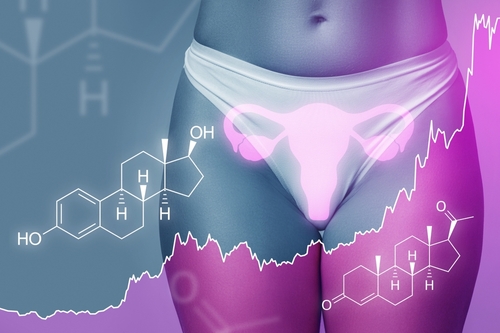
Hormones Impact Your Fertility