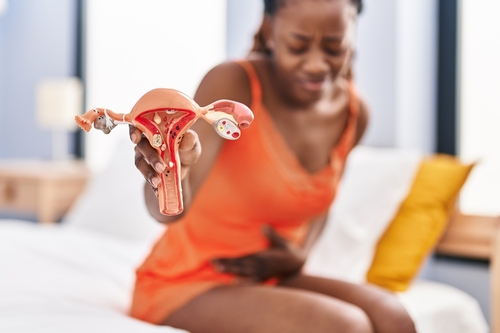
Many women experience a variety of sensations throughout their menstrual cycle, but a sharp or dull ache midway through can be puzzling. This sensation, known as mittelschmerz, is ovulation pain. Understanding the ovulation meaning and why this discomfort occurs is important for anyone tracking their cycle or concerned about new symptoms. While it can be alarming, pain while ovulating is common and usually harmless. Recognizing what this pain feels like and what is considered normal can provide significant reassurance and help you understand your body’s unique rhythms.
At Doral Health & Wellness, our commitment is to provide comprehensive and supportive medical care to our community. Our team of specialists offers clear, reliable information, empowering you to make confident and informed decisions about your gynecological health. We are your dedicated partners in achieving and maintaining wellness.
Understanding Ovulation Pain and Its Meaning
Ovulation is the part of the menstrual cycle when an ovary releases a mature egg. This typically happens about 14 days before the start of your next period. For some women, this event is accompanied by noticeable discomfort. Ovulation pain, or mittelschmerz (German for “middle pain”), is felt on one side of the lower abdomen and corresponds to the ovary that is releasing an egg. The pain can vary from a dull ache to a sharp twinge and is a normal, albeit sometimes uncomfortable, part of the process for many women.
What Does Ovulation Pain Feel Like?
The experience of ovulation pain can differ from person to person and even from cycle to cycle. However, it generally has a few distinct characteristics:
- One-Sided – The pain is located on either the left or right side of your lower abdomen, depending on which ovary is ovulating.
- Timing – It occurs in the middle of your menstrual cycle, around the time you are ovulating.
- Duration – The discomfort is usually brief, lasting from a few minutes to a few hours, though it can persist for up to 48 hours in some cases.
- Type of Pain – It may feel like a sharp, sudden pang or a dull, cramp-like ache.
- Associated Symptoms – Some women may also experience light vaginal bleeding or discharge along with the pain.
The exact cause of ovulation pain is not definitively known, but theories suggest it may be related to the follicle stretching the surface of the ovary before it ruptures to release the egg, or from the fluid and blood released during ovulation irritating the abdominal lining.
Managing Normal Discomfort from Ovulating
For most women, ovulation pain is mild and does not require medical intervention. The discomfort can typically be managed with simple at-home remedies.
- Over-the-Counter Pain Relievers – Nonsteroidal anti-inflammatory drugs (NSAIDs) like ibuprofen can provide effective relief.
- Warmth – Applying a heating pad to your lower abdomen or taking a warm bath can help relax your muscles and ease cramping.
- Rest – Sometimes, simply resting and avoiding strenuous activity can help alleviate the discomfort until it passes.
If you experience this pain regularly and it is bothersome, hormonal contraceptives like birth control pills can be an option, as they prevent ovulation altogether. A discussion with a trusted provider, such as a “GYN doctor near me,” can help you decide the best course of action.
When Should You Worry About Ovulation Pain?
While typical ovulation pain is normal, certain symptoms warrant a medical evaluation to rule out more serious conditions. It is important to distinguish between normal mid-cycle discomfort and pain that could indicate an underlying issue.
Red Flags to Watch For
Contact a healthcare provider if your mid-cycle pain is accompanied by any of the following:
- Severe or Worsening Pain – Pain that is intense, debilitating, or gets progressively worse is not typical for mittelschmerz.
- Fever or Nausea – These symptoms could indicate an infection, such as pelvic inflammatory disease (PID).
- Pain Lasting Longer Than Two Days – Normal ovulation pain is short-lived.
- Heavy Bleeding – While light spotting can be normal, heavy bleeding between periods is not.
- Pain During Urination or Bowel Movements – This could signal a urinary tract infection or a gastrointestinal issue.
These symptoms could be signs of other conditions such as ovarian cysts, endometriosis, ectopic pregnancy, or appendicitis. For those in our area, finding a “GYN in NY” for a prompt evaluation is crucial. If you are trying to conceive and experience severe pain, consulting an “infertile doctor” is also advised.
Seeking Professional Guidance
If your pain is severe, persistent, or accompanied by any of the warning signs mentioned above, it is essential to seek a professional diagnosis. A gynecologist can perform a pelvic exam and may use imaging tests like an ultrasound to determine the cause of your pain. This ensures you receive the correct treatment and provides peace of mind. For those searching for expert care, the “best gynecology in New York” can offer specialized diagnostic services.
Whether you have questions about your cycle, are concerned about pain, or are planning a family, partnering with a knowledgeable and supportive provider is key. A trusted “GYN doctor near me” can offer clarity and guidance tailored to your needs. If fertility is a concern, an “infertile doctor” can provide specialized support. For women in our area, a “GYN in NY” is readily available, and finding the “best gynecology in New York” ensures access to top-tier care.
Understanding your body is empowering. By recognizing the signs of normal ovulation pain and knowing when to seek help, you can take a proactive role in managing your reproductive health.
For expert gynecological care and personalized health strategies, contact Doral Health & Wellness today at 1-718-365-2555 or visit us at 1797 Pitkin Avenue, Brooklyn, New York 11212. Our team of dedicated specialists is here to provide the supportive, comprehensive care you need. For general information about Doral Health & Wellness services, you can contact or email info@doralhw.org.