The day before surgery, the unknown can feel heavier than the heel pain itself. You want to know what comes next, how long you will be off your feet, and when life returns to normal. That worry is completely understandable.
Plantar fasciitis surgery is usually a last step, chosen only after rest, stretching, and other plantar fasciitis treatment options have not eased the pain. When a podiatrist recommends it, recovery becomes the next big question on your mind. Knowing the timeline gives you something solid to hold onto.
This guide walks you through each stage of healing after surgery for chronic heel pain treatment. You will learn what to expect, how to care for yourself, and when to ask your foot doctor for support.
The First Two Weeks After Plantar Fasciitis Surgery
The early days are the most cautious. Swelling, soreness, and limited movement are normal, and your body needs rest to begin repairing tissue.
What to expect right away
- Rest and elevation: Keep your foot raised above heart level to reduce swelling. Short, frequent breaks matter more than one long stretch.
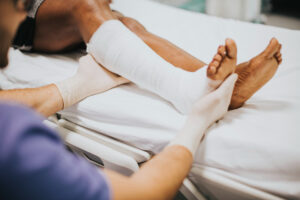
- Protected footwear: You will likely wear a surgical boot or cast to keep the area stable.
- Limited weight-bearing: Most people use crutches or a knee scooter. Your surgeon will tell you how much weight your foot can handle.
Pain during this stage is expected, but it should improve steadily. If swelling worsens or you notice signs of infection, contact your care team. For recovering safely at home, our home recovery care services bring skilled support directly to you, so you never feel like you are managing alone.
Weeks Three Through Six: Building Strength
Once the initial swelling settles, the focus shifts from rest to gentle movement. This is where patience pays off.
Your podiatrist may slowly increase how much you walk and introduce light physical therapy. Pushing too hard, too fast can set you back, so follow each instruction carefully.
Common milestones during this phase
- Transition out of the boot: Many patients move into supportive shoes around weeks four to six.
- Gentle stretching: Guided exercises help restore flexibility in the foot and calf.
- Reduced reliance on crutches: You may begin putting more weight on the foot as comfort allows.
Progress looks different for everyone. Comparing your timeline to someone else’s only adds stress, so trust the plan your foot doctor built for you.
Weeks Six to Twelve and Beyond
By this point, daily tasks start feeling normal again. Still, full healing takes time, and the tissue continues to strengthen for months.
Most people return to light activity around the three-month mark, while high-impact movement like running may take longer. If you want to understand the early warning signs that led here, our article on recognizing heel pain explains what to watch for.
Tips for a smoother long-term recovery
- Stick with therapy: Continued exercises prevent stiffness and lower the chance of re-injury.
- Choose supportive shoes: Proper footwear protects your healing foot every day.
- Keep follow-up visits: Regular checkups help your podiatrist catch concerns early.
Healing is steady, not instant. With the right care and patience, most people return to the activities they love.
Your Recovery Does Not Have to Be Lonely
Surgery is just one step. Real healing happens in the weeks that follow, and the right support makes all the difference.
Our Podiatry team offers personalized recovery plans, compassionate guidance, and at-home care designed around your needs. Reach out today by calling +1 718 367 2555 or visit us at 1797 Pitkin Avenue, New York, NY 11212 to schedule a consultation and take the next confident step toward pain-free living.