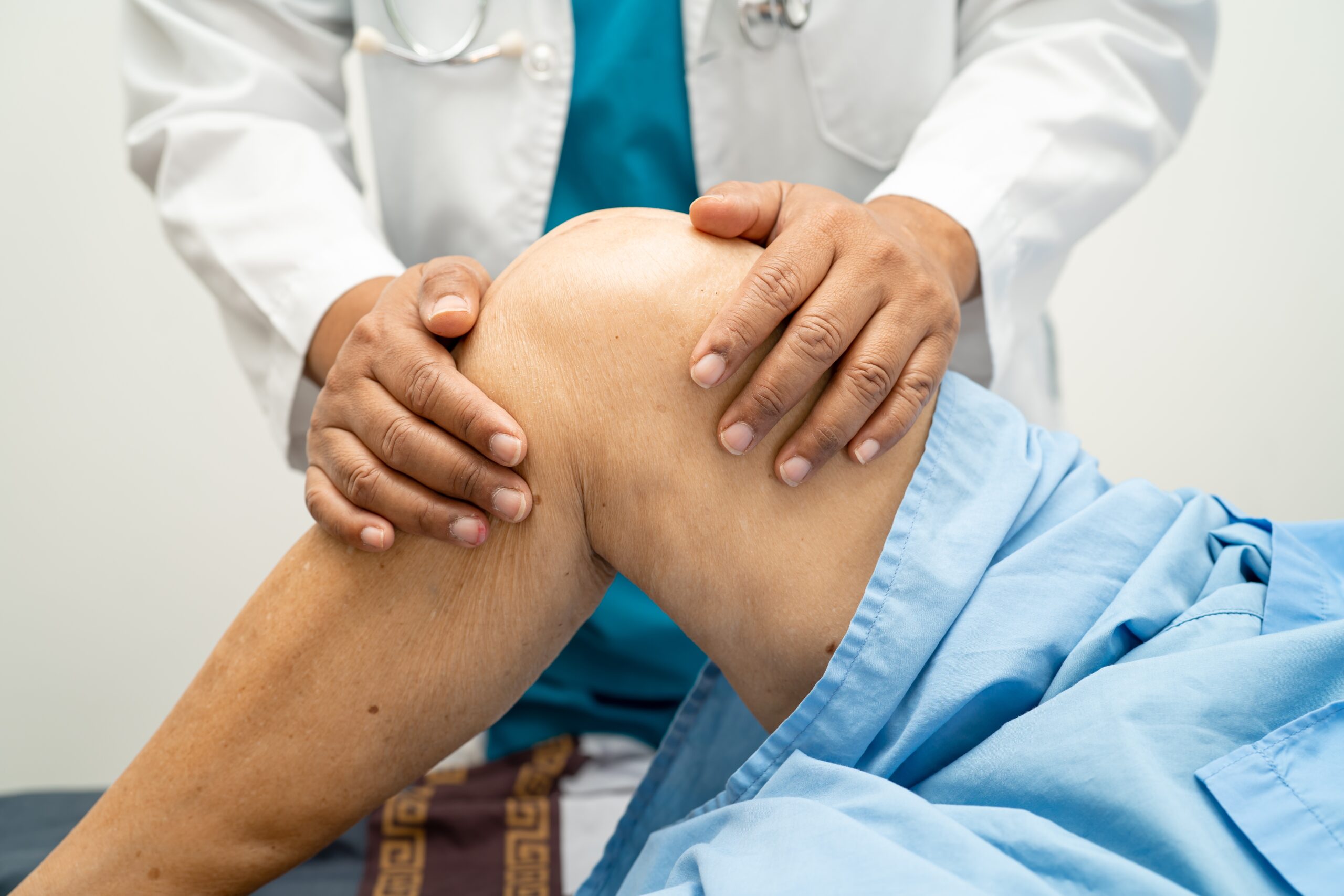
To manage knee pain, many new treatment options are available. One of them is PRP therapy. This therapy can boost your healing and allow you to use your knee. As it is made from your own blood it has fewer side effects and better recovery time. Learn how it works and what preparations you need to make before and after your PRP procedure to get better outcomes in this article.
How does PRP work?
Platelet-rich plasma (PRP) contains two main elements: plasma and platelets. Plasma is the liquid part of blood and platelets are a type of blood cell that has healing abilities. When PRP is injected into the knee, its healing ability boosts the healing process.
Platelets are also popular for their clotting abilities because they contain growth factors that stimulate cell reproduction and tissue regeneration that repair your damaged tissues and reduce inflammation allowing you to use your leg normally. That’s why PRP is an amazingly effective treatment to treat knee pain.
How to prepare before and after the procedure?
Your doctor guides you on how to prepare before and after the procedure to ensure a safe and best possible outcome. Here are some tips that can help you prepare for your PRP procedure:
- Talk with your doctor:
You need to have a proper discussion about PRP therapy to ensure that this treatment option is right for you, its potential risks, and benefits, and how much time it will take for your wound to heal.
- Avoid certain medications:
Your doctor may recommend avoiding over-the-counter NSAIDs or aspirin at least 10 days (about 1 and a half weeks) before the procedure. Some other medications like blood thinners and anti-inflammatory drugs can also interfere with the effectiveness of PRP therapy. If you have a heart disease, and you need to take some blood-thinning medications, then consult with your doctor about it.
- Consume a healthy diet and stay hydrated:
Consuming a healthy diet along with drinking plenty of fluids can improve your overall health and well-being. This also increases the effectiveness of PRP therapy.
- Avoid alcoholic beverages and smoking:
Alcoholic beverages and smoking can dehydrate your body and interfere with the healing process. So, you should avoid alcohol and smoking for at least a few days before and after your PRP treatment.
- Take a good night’s sleep before your treatment:
Taking a good night’s sleep before your PRP treatment can improve your comfort and reduce your anxiety.
On the day of your treatment, you should follow these tips:
- Wear comfortable loose-fitting clothes.
- Avoid taking any medications unless your doctor recommends you take one.
- Eat a light meal and stay hydrated.
- Taking the necessary paperwork required during the appointment.
After your PRP therapy session, you can go home immediately for the rest of the day. For the next 2 days, limit the use of the injection area, however, movement is encouraged because it helps the joint recover faster as it is absorbed by the surrounding tissues. The following guidelines may be recommended for the best possible outcome from PRP therapy:
- 0-3 days:
After the treatment, you may experience some mild to moderate pain which causes discomfort at the injection site. It is normal and indicates that your body is healing as it adjusts to the injection.
To promote healing, stay hydrated by drinking plenty of water. Avoid taking any medications unless it is recommended by your physician. This is because medication may affect your healing process or cause other adverse effects.
Here are some more medications that you should discontinue after your procedure for the best results:
- Anti-inflammatory medications for at least 4 weeks.
- Blood-thinning herbs, supplements, or vitamins for at least 21 days (about 3 weeks).
- Systemic steroids for at least 6 weeks (about 1 and a half months).
Here are some important guidelines you should follow after the procedure, including:
- Don’t apply ice or heat to the injection site for at least the first 72 hours (about 3 days) after the procedure.
- Don’t take a hot bath or sauna for the first few days after the procedure.
- Avoid alcoholic beverages for at least 2 days after the procedure.
- Avoid bathing for the first 24 hours after the procedure.
- Don’t smoke.
- 4 weeks:
During this period, you can gradually increase your daily activities and start working out. Proper exercise is also essential for long-term results. So, consult with your doctor to find exercises that are suitable for your needs after the procedure.
You can now apply ice 3 to 4 times a day for 15 to 20 minutes to feel comfortable. You can start taking anti-inflammatory medications such as ibuprofen and naproxen to manage pain as directed. However, you still need to avoid alcoholic beverages, smoking, or excessive amounts of caffeine.
- 5 weeks:
At this period, your physician may encourage you to start physical therapy to aid long-term healing and continued recovery.
Side effects of PRP injections
Generally, PRP has low side effects because it is made from your own blood. However, there are certain side effects you may experience, including:
- Soreness or pain
- Infection
- Irritation
- Bleeding
- Allergic reaction
These side effects are also common in other injections. So, besides pain, other side effects are rare. If you experience any other side effects besides pain, you should visit your doctor for treatment.
Platelet-rich plasma (PRP) therapy is greatly beneficial for knee pain treatment. It enhances the healing process and stimulates tissue regeneration which allows you to use your injured part. It also reduces inflammation. As it is made from your own blood it has fewer side effects compared to other injection treatments. However, some people may not get any benefit at all. That’s why it is not approved by the FDA. So, before starting your PRP treatment, consult your doctor to see if this treatment is right for you.
If you need help with PRP treatment, visit our pain management clinic for professional medical help. If you need help with your knee pain, visit our pain management clinic in Brooklyn for professional medical treatment. All treatment options are available with lifestyle guidance to improve knee health. If you need help with a knee injury or conditions that cause pain, then, visit our pain management clinic for professional medical help. Our doctors guide you on how you can manage your wounds naturally and provide regular monitoring services. Your knee pain needs professional assistance, visit our pain management clinic in Brooklyn today or call to get a consultation. The location at 1797 Pitkin Avenue, Brooklyn, NY 11212 is well-served by public transportation, including many bus routes, and the subway line. Visit our website at http://www.painmanagementbrooklyn.com/ or to contact us on +1-347-384-5690 for additional details.