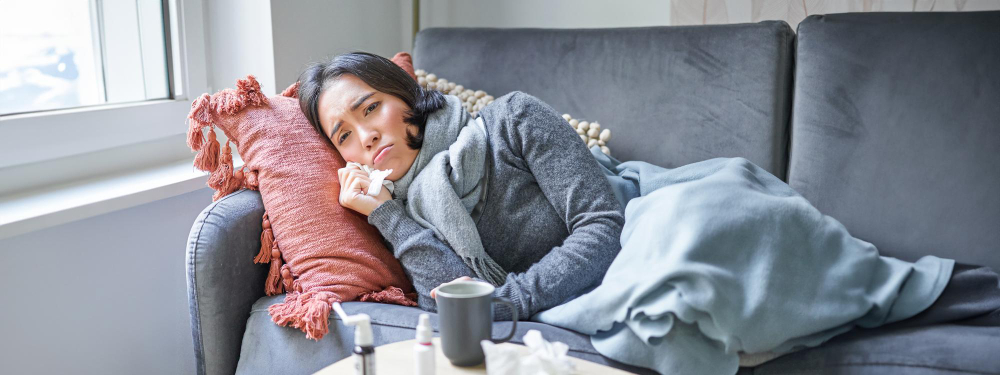
Post-sepsis recovery at home involves careful wound care, medication adherence, and close monitoring for new symptoms. Preventing secondary infection readmissions means recognizing warning signs early, following your discharge plan closely, and knowing when to call your care team. With the right support, many patients recover safely without returning to the hospital.
Coming home after sepsis can feel like a relief and a worry at the same time. Your body has been through a serious fight, and the road back to full strength takes patience. Post-sepsis recovery at home is possible for many patients, but it requires attention to detail during the weeks that follow discharge. Secondary infections are one of the biggest risks during this window, and they are also one of the most preventable. This guide walks through what recovery looks like, what to watch for, and how preventing secondary infection readmissions becomes part of your daily routine.
What Does Post-Sepsis Recovery at Home Look Like?
Healing from sepsis rarely follows a straight line. You may feel stronger one day and exhausted the next. That is normal.
Your body used tremendous energy fighting the infection, and rebuilding strength takes time. During this stage, your immune system is often still weakened, which is why post-sepsis recovery at home requires more vigilance than a typical illness recovery.
Common experiences during this period include:
- Fatigue that comes and goes: Even simple tasks can feel draining for several weeks.
- Muscle weakness: Time spent in the hospital, especially in bed, can lead to noticeable loss of strength.
- Emotional ups and downs: Anxiety, low mood, or trouble sleeping are common after a serious illness.
- Slower wound healing: Any incisions or IV sites may take longer than usual to close.
How Can You Prevent Secondary Infection Readmissions?
Preventing secondary infection readmissions starts with a few consistent habits at home. Small steps, done daily, make a real difference in your recovery.
Follow Your Wound and Hygiene Care Plan
If you have any wounds, incisions, or catheter sites, keep them clean and dry according to your discharge instructions. Wash your hands before touching any dressing, and change bandages exactly as directed. Skipping steps here is one of the most common reasons infections return.
Stay on Top of Medications
Missing doses or stopping antibiotics early gives bacteria a chance to come back stronger. Set reminders if needed, and never adjust your medication schedule without talking to your care team first.
Watch for Warning Signs
Your body will often tell you something is wrong before it becomes an emergency. Contact your care team right away if you notice:
- A fever above 100.4°F
- Redness, warmth, or swelling that spreads
- Confusion or unusual drowsiness
- Rapid heartbeat or difficulty breathing
Catching these signs early is often the difference between a quick treatment and a hospital readmission.
When Should You See an Infectious Disease Specialist?
If new symptoms appear or your recovery feels off track, an infectious disease specialist can determine whether an infection is returning or a new one is developing. These specialists understand the specific vulnerabilities sepsis survivors face and can adjust treatment quickly, often preventing a full readmission.
You do not need to wait for symptoms to become severe. Reaching out to an infectious disease specialist at the first sign of trouble gives your body the best chance at a smooth recovery.
Finding Infectious Disease Doctors in Brooklyn
If you live locally, infectious disease doctors in Brooklyn can provide prompt, coordinated follow-up care during your recovery. Working with infectious disease doctors in Brooklyn also means easier access to local labs and imaging, which can speed up diagnosis if something feels wrong.
You Are Not Recovering Alone
Post-sepsis recovery at home asks a lot of you and your family. It is normal to feel unsure about what is safe, what is expected, and what deserves a phone call. Trust your instincts. If something feels wrong, it is always worth checking. Reach out to our infectious disease specialists today by calling +1-718-367-2555 or visiting us at 1797 Pitkin Avenue, Brooklyn, NY 1121 to schedule a follow-up visit and get the support your recovery deserves.