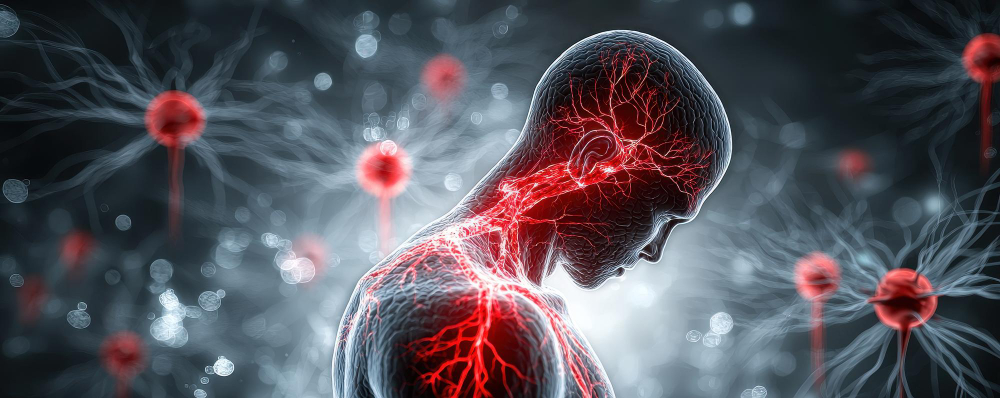
Post-sepsis syndrome is a collection of physical, cognitive, and emotional symptoms that can linger for months or years after surviving sepsis. Symptoms include fatigue, memory problems, anxiety, and muscle weakness. Recovery takes patience, medical support, and time. Navigating the long road to recovery is easier with the right care team by your side.
Surviving sepsis is only the beginning of the story. Many patients and families expect life to return to normal once the infection clears and the hospital discharge papers are signed. Instead, they find themselves facing a new set of challenges that no one warned them about. This is post-sepsis syndrome, and it affects a significant number of sepsis survivors. Navigating the long road to recovery means understanding what your body and mind are going through, and knowing that these struggles are real, common, and treatable.
What Is Post-Sepsis Syndrome?
Post-sepsis syndrome refers to the lasting effects that remain after the body has fought off a sepsis infection. According to the Sepsis Alliance, up to 50% of sepsis survivors experience some form of post-sepsis syndrome. It can affect the body, the mind, and the emotions all at once, which is part of what makes recovery feel so overwhelming.
Physical Symptoms
- Extreme fatigue: Everyday tasks like showering or cooking can feel exhausting.
- Muscle weakness: Weeks in a hospital bed can lead to significant loss of strength.
- Chronic pain: Joint and muscle pain often persist long after discharge.
- Organ complications: Some survivors experience lingering kidney, lung, or heart issues.
Cognitive and Emotional Symptoms
- Memory problems: Many survivors describe a “brain fog” that makes concentration difficult.
- Anxiety and depression: The trauma of a near-fatal illness can take a real emotional toll.
- Post-traumatic stress: Flashbacks or nightmares about the hospital stay are common.
Why Health Awareness Matters for Sepsis Survivors
September is Sepsis Awareness Month, a time dedicated to helping the public understand sepsis and its aftermath (Sepsis Alliance). Health awareness does not stop once a patient leaves the hospital. Families need to know that post-sepsis syndrome exists so they can recognize it, name it, and seek the right support instead of wondering why recovery feels so hard.
How Can You Support a Loved One Through Recovery?
Recovery from sepsis rarely follows a straight line. Some days will feel like real progress, and others will feel like a step backward. That is normal, and it does not mean something has gone wrong.
- Be patient with the pace. Physical and cognitive recovery can take months or even years.
- Watch for mental health changes. Anxiety and depression deserve the same attention as physical symptoms.
- Encourage follow-up care. Regular check-ins with medical providers help track progress and catch complications early.
- Support daily routines. Small, manageable goals help rebuild strength and confidence over time.
You Do Not Have to Navigate Recovery Alone
Watching someone you love struggle after surviving sepsis can feel isolating, especially when the outside world assumes recovery ends at discharge. It does not have to feel that way. Our care team works alongside sepsis survivors and their families to provide medical support, monitor recovery milestones, and offer the reassurance families need during this difficult stretch. Navigating the long road to recovery is not something you have to figure out on your own. Reach out to us today by calling +1-718-367-2555 or visiting us at 1797 Pitkin Avenue, Brooklyn, NY 1121 to learn how personalized in-home care can support your family’s healing journey.