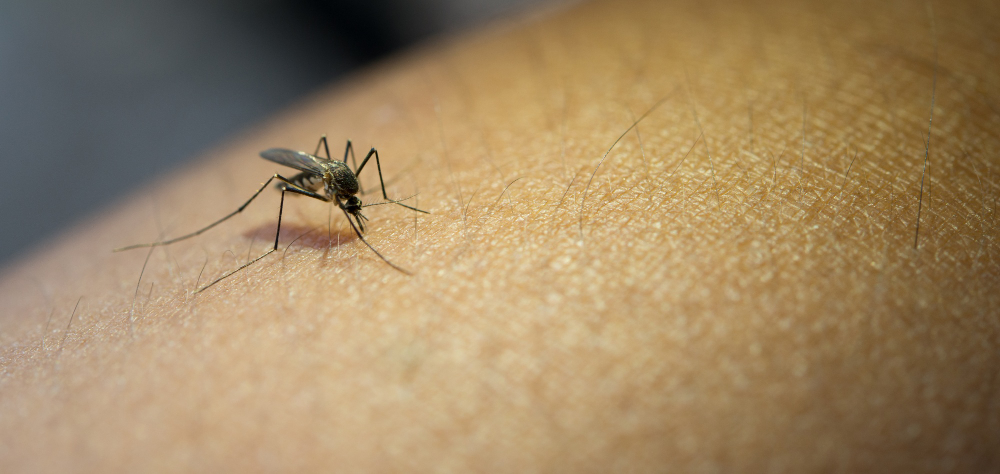
A warm afternoon in Prospect Park should feel like a break from the city. But for many families, a single bee or wasp sting can turn a picnic into a medical emergency. That fear is real, and it deserves a real answer.
Insect venom allergies happen when your immune system overreacts to the venom from a sting. For most people, a sting means a sore, swollen bump. For others, it can trigger a rapid, whole-body reaction that needs immediate care.
You are not overreacting by worrying about this. If you or your loved one has ever had a scary response to a sting, understanding the risk is the first step toward staying safe.
Understanding Insect Venom Allergies
Not every sting reaction is an allergy. Knowing the difference helps you respond calmly and correctly.
Around 3% of adults have experienced a severe, life-threatening allergic reaction to insect stings, according to the American Academy of Allergy, Asthma & Immunology. That is a small number, but the stakes are high. A quick response can save a life.
Which insects cause the biggest problems?
In Brooklyn’s parks and backyards, a few culprits stand out:
- Honeybees: Leave a stinger behind that keeps pumping venom until removed.
- Yellow jackets: Aggressive and common near trash cans and food, and they can sting more than once.
- Wasps and hornets: Nest in trees and building eaves, and their stings can cause a strong reaction.
- Fire ants: Less common here, but they cause painful, blistering stings.
By identifying what stung you, your care team can better plan treatment. If you are unsure how to spot early warning signs, our guide to recognizing anaphylaxis at home walks you through it step by step.
Warning Signs You Should Never Ignore
A normal sting hurts, swells, and fades within a day or two. An allergic reaction moves differently, and it can move fast.
Call 911 right away if you notice any of these after a sting:
- Trouble breathing or a tight throat
- Swelling of the face, lips, or tongue
- Hives spreading across the body
- Dizziness, fainting, or a racing heartbeat
- Nausea, vomiting, or stomach cramps
These signs point to anaphylaxis, a severe reaction that needs epinephrine and emergency help immediately. You are not being dramatic by acting fast. Quick action is exactly right.
Getting the Right Care in Brooklyn
Living with this risk is stressful, especially when the next sting is unpredictable. The good news is that testing and treatment can give you back your peace of mind.
An allergy specialist in Brooklyn, NY, can confirm your diagnosis through skin or blood testing. From there, they build a plan around your needs, not a one-size-fits-all script.
What treatment looks like
- Epinephrine auto-injectors: Your first defense during a severe reaction, carried with you at all times.
- Venom immunotherapy: A series of controlled shots that gradually lower your sensitivity over time.
- A written action plan: Clear steps for you, your family, and your child’s school or caregiver.
If mobility or a busy schedule makes clinic visits hard, our at-home allergy care services bring expert support to your door. When you search for the best allergy doctor near me, look for a team that offers both in-person and home-based options.
You do not have to manage this alone. The right allergy specialist in Brooklyn, NY becomes a steady partner in keeping your family safe.
Take the Next Step Toward Peace of Mind
One sting should never put your loved one’s life at risk. With testing, a clear plan, and compassionate care, you can enjoy Prospect Park without fear.
Reach out today to schedule a visit with our expert care team. When families ask for the best allergy doctor near me, we are ready to help. Protect what matters most with expert care for Insect Venom Allergy. Reach out today by calling +1-347-384-5690 or visit our clinic at 1797 Pitkin Avenue, Brooklyn, NY 11212 to schedule a consultation.