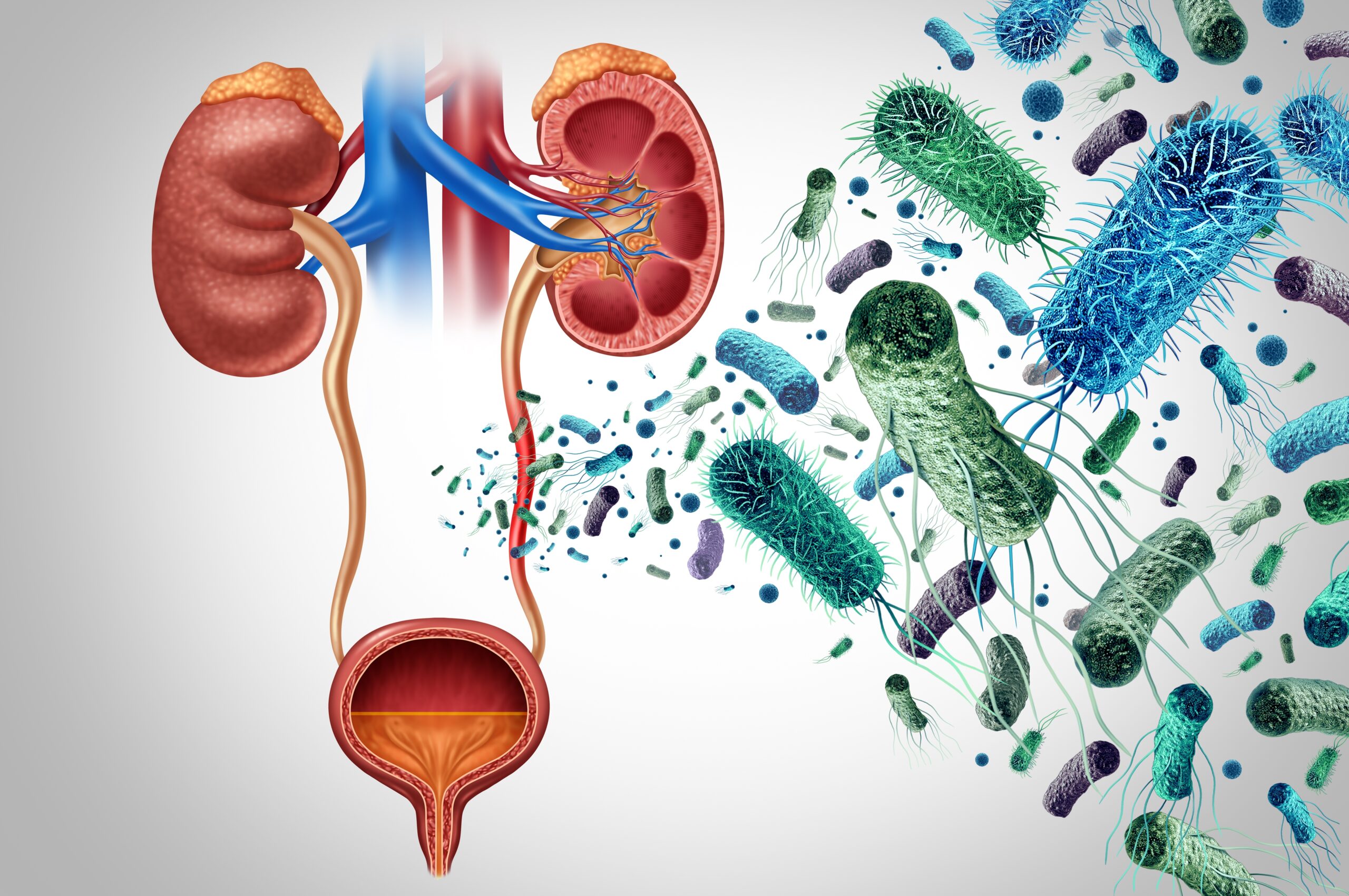
If you have trouble emptying your bladder completely or having pain during urination, chances are you are suffering from a bladder infection. It occurs when bacteria enter the bladder and start spreading. If left untreated, it can cause severe complications. Learn how to recognize the symptoms of bladder infection and how to treat them in this article. If you want to know more about urological health, visit us at Doral Health and Wellness Urology Center and consult with the best nephrologists and urologists in East New York.
Causes & Symptoms of Bladder Infection
Bladder infections are often caused by bacteria; in rare cases, fungi may cause a bladder infection. It occurs when bacteria that keep the urinary tract in balance enter the urinary tract and reach the bladder through the urethra and start multiplying and infect it. The most common bacteria that cause bladder infection is E. coli, which is found in your gastrointestinal (GI) tract. Bacteria can enter your urethra in many ways:
- During sexual activity or when going through menopause.
- Using a certain type of birth control, such as a diaphragm or spermicide.
- Using or recently used a urinary catheter.
- Urinary tract blockage, like a kidney stone or an enlarged prostate.
- A urinary tract infection in the past.
- Suffering from a health condition like diabetes or a weakened immune system.
- Not wiping your poop properly after a bowel movement.
If you have a bladder infection, you may experience symptoms such as:
- Strong unresistant urge to pee.
- Frequently urinating.
- Burning or tingling sensation during or after urination.
- Blood in your urine.
- Pressure or cramps in the lower abdomen or groin area.
- Low-grade fever.
- Cloudy or bloody urine with a strong odor.
- Difficulty urinating, especially if you have a prostate health issue.
Diagnosis and treatment
To diagnose a bladder infection, the doctor performs a physical exam and goes through your medical history. To rule out the cause of infection, the doctor may recommend some of these tests, including:
- Urinalysis: In this test, the doctor takes your urine sample to check for blood and white blood cells in the urine. Your body releases white blood cells when it’s fighting with infection caused by bacteria.
- Urine culture: This is used to check certain types of bacteria in the urine. It also helps to see whether antibiotics are working or not.
- Blood tests: It is used to check for more serious infections, such as a kidney infection. It is also used to check how well the kidneys are working.
- Imaging tests: TheDoctor uses ultrasound, CT scan, and MRI to check for tumors, kidney stones, and other issues that are causing this infection.
- Cystoscopy: It is used to check the urethra and bladder. In this test, the doctor inserts a cystoscope (a thin tube with a camera) into your urethra to look for problems or to get a tissue sample for more testing (biopsy).
- Intravenous urogram: This is an X-ray exam with the use of contrast dye to get clear pictures of the kidneys, ureters, and bladder.
- Voiding cystourethrography: Your doctor injects a dye into your bladder to see if any urine flows backward from the bladder toward the kidneys.
- Retrograde urethrography: This test also uses contrast dye to check problems in the urethra.
Treatment of bladder infection depends on the severity and cause. For mild infection, you just need to take enough rest and drink lots of fluids, which speed up recovery and help to flush out the bacteria from your urinary tract. You get better in a few days. For mild infection, your doctor may prescribe over-the-counter medications to manage pain and inflammation.
In case your infection is severe, your doctor may select an antibiotic based on the type of bacteria causing your infection. Your doctor may also consider several other factors before prescribing antibiotics, including:
- Do you have any allergies to antibiotics or not?
- What are your symptoms, and which bacteria are causing the infection?
- If you have infections that are recurring or not.
- Do you have any other problems in your urinary tract?
Make sure you follow your antibiotics dosage as instructed. Usually, the medicine course lasts for 3 to 10 days (about 1 and a half weeks). Men may need to take antibiotics longer than women because bacteria can move into the prostate. If bacteria reach the prostate, it may become more difficult to treat. If you have any problems in your urinary tract, like a kidney stone or an enlarged prostate, surgery is recommended to remove it.
Bladder infections can occur when bacteria travel to the bladder through the urethra and start spreading. You may experience some or all of the above-mentioned symptoms of bladder infection. Make sure you take timely action to get the infection treated. Otherwise, it can lead to life-threatening complications if it spreads.
Need help with urinary or bladder problems? Visit our urology clinic in Brooklyn to get professional medical help. Call us to book your appointment now and get all your urological problems treated. At Doral Health and Wellness Urology Center, our team of urologists will work with you in managing your disease and your quality of life. We also offer services, such as renal and bladder ultrasound. To schedule an appointment, please visit us at 1797 Pitkin Avenue, Brooklyn, New York 11212 or call +1-718-367-2555 You can also visit our website at https://www.urologistbrooklyn.com/.