Experiencing pain at the front of your knee can be a major setback, keeping you from running, hiking, or even just navigating daily life without discomfort. This common issue, often called runner’s knee, is formally known as patellofemoral pain syndrome (PFPS). While the pain can be persistent, effective treatment is available. The key is a proper runner’s knee diagnosis and management plan tailored to your specific needs. Understanding how this condition is identified and the steps involved in treatment will empower you to take control of your recovery and get back to your active lifestyle. Get a consultation with the best Podiatrists in Brooklyn.
How Is Runner’s Knee Diagnosed?
A correct runner’s knee diagnosis is the foundation for effective treatment. While the symptoms might seem straightforward, a healthcare professional must rule out other potential causes of knee pain, such as ligament tears, arthritis, or meniscal injuries. This process typically involves a thorough physical examination and a detailed discussion of your symptoms.
When you visit a specialist, like a podiatrist, they will likely perform several assessments:
- Patient History: The first step is to discuss your symptoms, activity levels, and any recent changes in your training routine. Your doctor will want to know when the pain started, what makes it better or worse, and how it affects your daily activities.
- Physical Examination: The clinician will examine your knee for tenderness, swelling, and range of motion. They may apply pressure to different parts of your kneecap and move your leg into various positions to pinpoint the source of the pain.
- Gait and Biomechanical Analysis: How you walk and run significantly impacts knee health. A specialist may observe you walking to assess your foot mechanics and identify issues such as overpronation (flat feet), which can contribute to PFPS. This analysis helps determine if problems in your feet or hips are causing stress on your knees.
- Muscle Strength and Flexibility Testing: Imbalances, such as weak quadriceps or hip muscles, or tightness in the hamstrings and iliotibial (IT) band, are common culprits. The exam will include tests to assess the strength and flexibility of these key muscle groups.
In most cases, imaging tests like X-rays or MRIs are not needed to diagnose runner’s knee. However, if the diagnosis is unclear or if there’s suspicion of a more severe injury, your doctor might order them to get a clearer picture of the bones and soft tissues in your knee joint.
Effective Runner’s Knee Management Strategies
Once diagnosed, runner’s knee management focuses on reducing pain, addressing the underlying causes, and preventing recurrence. A multi-faceted approach is often the most successful. Treatment at a podiatry clinic in Brooklyn would typically involve a combination of the following strategies.
Immediate Pain Relief (The RICE Method)
For initial pain management, the RICE method is a proven starting point:
- Rest: Avoid activities that aggravate your knee, such as running, squatting, or climbing stairs.
- Ice: Apply an ice pack to the front of your knee for 15-20 minutes several times a day to reduce pain and inflammation.
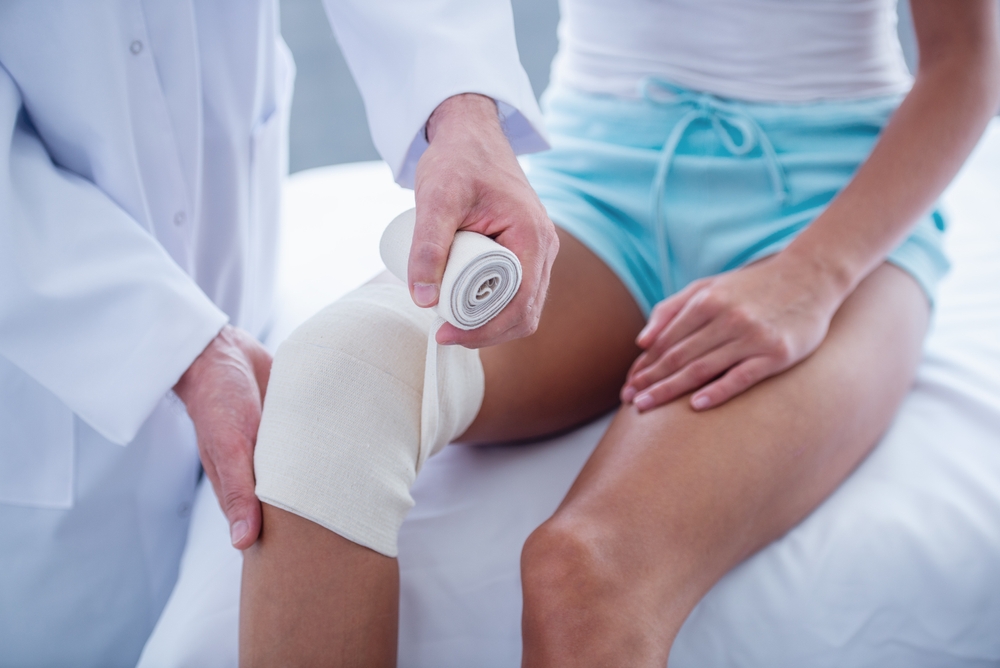
- Compression: Use an elastic bandage or knee sleeve to provide support and reduce swelling.
- Elevation: Keep your leg elevated above heart level whenever possible to help minimize swelling.
Physical Therapy and Rehabilitation
Physical therapy is a cornerstone of long-term runner’s knee management. A therapist will guide you through a targeted exercise program designed to:
- Strengthen the Quadriceps: Specifically, exercises focusing on the vastus medialis obliquus (VMO), the inner part of your quad, help stabilize the kneecap.
- Strengthen Hip Abductors and Glutes: Strong hip muscles improve overall leg stability and control, reducing abnormal forces on the knee.
- Improve Flexibility: Stretching tight hamstrings, calf muscles, and the IT band can help correct alignment and reduce strain on the patellofemoral joint.
Footwear and Orthotics
The connection between your feet and knees cannot be overstated. Wearing supportive footwear that is appropriate for your activity and foot type is crucial.
If a biomechanical issue like overpronation is identified as a contributing factor, a podiatrist may recommend custom orthotics. These prescription shoe inserts are designed to correct your foot alignment, provide arch support, and promote proper mechanics. By improving the foundation, orthotics can significantly reduce the stress on your knees and are a key component of a comprehensive treatment plan for many individuals.
Activity Modification
A gradual return to activity is essential to prevent re-injury. Your healthcare provider will help you create a plan to slowly reintroduce exercise, ensuring your knee can handle the load. This may involve:
- Reducing your running mileage or intensity.
- Incorporating cross-training with low-impact activities like swimming or cycling.
- Focusing on proper form and technique.
Runner’s knee can be a frustrating and painful condition, but it is highly treatable with the right approach. A thorough diagnosis is the first step, followed by a comprehensive management plan that includes immediate pain relief, targeted physical therapy, and addressing underlying biomechanical issues. By working with a knowledgeable healthcare professional, you can effectively manage your symptoms and build the strength and stability needed to prevent future problems.
If you’re tired of knee pain holding you back, it’s time to seek expert care. Schedule a consultation at a trusted podiatry clinic in Brooklyn to receive an accurate diagnosis and a personalized treatment plan for your runner’s knee. At Doral Health & Wellness, we have Podiatrists with extensive education and expertise. Our address is 1797 Pitkin Avenue, New York, NY 11212. To make an appointment, please call + 1 718 367 2555, or register your information and make direct contact with us at https://yuz88hfiyh7.typeform.com/Doralintake or send an email to info@doralhw.org.