Losing excess fat around the midsection is a common goal, but it often feels like an uphill battle. The internet is filled with quick fixes and miracle solutions that rarely deliver lasting results. To truly make progress, it is important to focus on proven, scientific ways to lose belly fat. This means moving beyond myths and understanding the real factors at play, including how belly fat affects weight gain and overall health. By focusing on evidence-based strategies, you can create an effective plan for reducing harmful abdominal fat and improving your well-being for the long term. Log on to https://doralhw.org/specialties/bariatric/ to know more about weight loss.
How Belly Fat Affects Weight Gain and Health
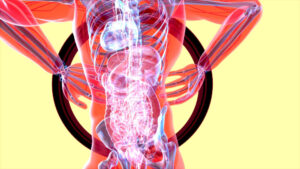
Belly fat is not just a cosmetic issue; it has a significant impact on your metabolic health. The most dangerous type is visceral fat, which surrounds your internal organs. This fat is metabolically active and releases inflammatory substances and hormones that can disrupt your body’s normal functions.
This process directly influences weight regulation. The hormones released by visceral fat can interfere with insulin sensitivity, leading to insulin resistance. When your cells become resistant to insulin, your body has to produce more of it to manage blood sugar, which can promote further fat storage, creating a difficult cycle of weight gain. This is why understanding how belly fat affects weight gain is crucial—it’s not just about calories, but also about hormonal balance.
Evidence-Based Strategies for Losing Belly Fat
Forget about targeted exercises like crunches; spot reduction is a myth. The key to losing belly fat is adopting a holistic approach that focuses on overall fat loss.
- Optimize Your Diet
What you eat is arguably the most critical component of shedding abdominal fat. Certain dietary patterns are scientifically proven to be more effective than others.
- Increase Soluble Fiber: Soluble fiber absorbs water and forms a gel that slows down digestion. This helps you feel fuller for longer, reducing overall calorie intake. Studies consistently show that increasing soluble fiber from sources like oats, avocados, flaxseeds, and beans can lead to a significant reduction in visceral fat.
- Prioritize Protein: A high-protein diet boosts your metabolism and reduces cravings by affecting hunger-regulating hormones. Including lean protein sources like fish, eggs, poultry, and legumes in every meal can help preserve muscle mass while you lose fat.
- Eliminate Trans Fats and Limit Sugar: Trans fats, often found in processed and fried foods, are directly linked to increased abdominal fat. Similarly, excessive sugar intake, especially from sugary drinks, leads to fat accumulation around the liver and abdomen. Cutting these out is a powerful step.
- Incorporate the Right Kind of Exercise
While you can’t spot-reduce fat, certain types of exercise are particularly effective at reducing overall body fat, including visceral fat.
- Cardiovascular (Aerobic) Exercise: Activities that raise your heart rate, such as running, swimming, or brisk walking, are excellent for burning calories and improving metabolic health. Aim for at least 150 minutes of moderate-intensity cardio per week.
- High-Intensity Interval Training (HIIT): HIIT involves short bursts of intense exercise followed by brief recovery periods. Research shows it can be a highly efficient way to burn fat, including abdominal fat, in less time.
- Strength Training: Lifting weights or doing bodyweight exercises builds muscle. Since muscle tissue is more metabolically active than fat, increasing your muscle mass helps you burn more calories even at rest.
- Focus on Lifestyle Factors
Your daily habits outside of diet and exercise play a massive role in fat storage.
- Manage Stress: Chronic stress triggers the release of cortisol, a hormone that is strongly linked to increased appetite and abdominal fat storage. Incorporate stress-reducing practices like meditation, deep breathing, or yoga into your routine.
- Prioritize Quality Sleep: A lack of sleep can disrupt appetite-regulating hormones, leading to increased hunger and cravings for unhealthy foods. Aim for 7-9 hours of quality sleep per night.
When Lifestyle Changes Aren’t Enough
For individuals with significant obesity and related health conditions, lifestyle changes alone may not be sufficient to achieve the necessary fat loss. In these cases, medical interventions may be considered. A bariatric specialist can evaluate your situation and determine if you are a candidate for more intensive treatments.
Procedures like weight loss surgery are highly effective at promoting substantial and sustained weight loss, which dramatically reduces both subcutaneous and visceral fat. If you have struggled to lose weight despite your best efforts, consulting a bariatric specialist can open the door to solutions like weight loss surgery that can fundamentally improve your health.
A Sustainable Path to a Healthier You
Losing belly fat is a journey that requires consistency and a focus on proven science, not fads. By combining a nutrient-dense diet, a smart exercise regimen, and healthy lifestyle habits, you can effectively reduce harmful visceral fat and lower your risk for chronic diseases. Remember to be patient with yourself, as sustainable results take time. If you’re concerned about your health and need support, don’t hesitate to reach out to a healthcare professional to create a personalized and effective plan. If you are looking for a weight loss surgery center near you, contact us on +1 718 367 2555 for a consultation with our bariatric doctors. If you need help, register your information and make direct contact with our doctors at https://yuz88hfiyh7.typeform.com/Doralintake. Doral Health and Wellness has the best bariatric doctors and surgeons to treat obesity and weight problems. Book your appointment and walk in at 1797 Pitkin Avenue, Brooklyn, New York 11212.