When people talk about losing weight, trimming down belly fat is often a top priority. It’s a common area of concern for both aesthetic reasons and health implications. However, not all belly fat is created equal. Understanding the 2 types of belly fat is essential because each one has a different impact on your health. It’s crucial to know how belly fat affects your weight and overall well-being. Gaining this knowledge can help you develop more effective strategies for managing your health, whether through lifestyle changes or with guidance from a medical professional. Log on to https://doralhw.org/specialties/bariatric/ to know more about weight loss.
Subcutaneous Fat: The Fat You Can Pinch
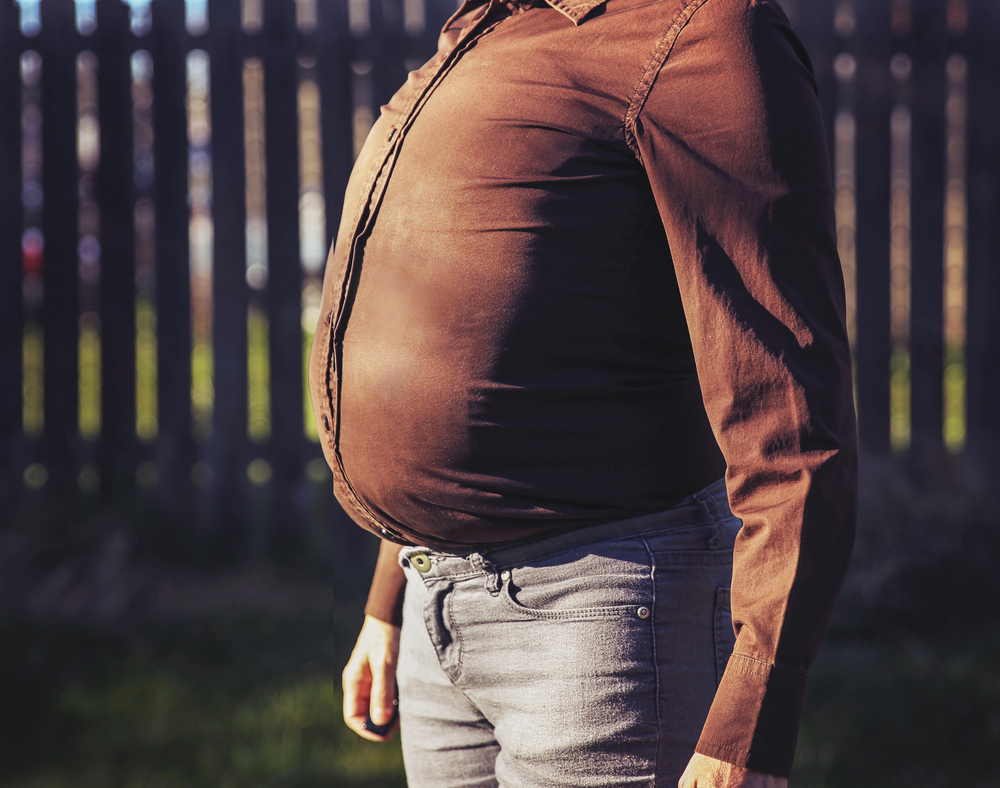
The first, and more visible, type of belly fat is subcutaneous fat. This is the soft, jiggly fat that lies just beneath the skin. It’s the fat you can easily pinch with your fingers on your stomach, arms, and legs. While having too much subcutaneous fat can contribute to being overweight or obese, it is generally considered less harmful from a metabolic standpoint compared to its deeper counterpart.
Everyone has some subcutaneous fat, as it serves important functions in the body, including:
- Storing energy for later use.
- Providing a cushion to protect muscles and bones from impact.
- Helping to regulate body temperature.
Although it’s less dangerous than the other type of fat, an excessive amount can still place extra strain on your joints and cardiovascular system. Managing overall body fat through diet and exercise is the primary way to reduce subcutaneous fat levels.
Visceral Fat: The Hidden Health Risk
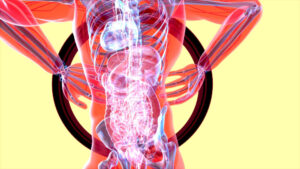
The second, and more dangerous, type of belly fat is visceral fat. Unlike subcutaneous fat, visceral fat is stored deep within the abdominal cavity, where it surrounds vital organs like the liver, stomach, and intestines. You can’t see or pinch visceral fat, which is why it’s often called “hidden” fat.
This type of fat is metabolically active, meaning it produces hormones and inflammatory substances that can disrupt normal bodily functions. A high amount of visceral fat is strongly linked to a number of serious health problems, including type 2 diabetes, heart disease, high blood pressure, and certain types of cancer. Even individuals who appear thin on the outside can have high levels of visceral fat, a condition sometimes referred to as “thin outside, fat inside” (TOFI).
How Belly Fat Affects Your Weight and Health
Both types of fat contribute to your overall body weight and composition, but visceral fat has a much more significant impact on your metabolic health. The inflammatory compounds released by visceral fat can interfere with insulin function, leading to insulin resistance and raising your risk for type 2 diabetes. These substances also contribute to chronic inflammation throughout the body, which is a driving factor behind many chronic diseases.
Because visceral fat is located near the portal vein, which carries blood from the intestines to the liver, harmful substances released from this fat can easily travel to the liver. This can influence the production of blood fats, leading to higher levels of “bad” cholesterol and triglycerides. For individuals struggling with significant amounts of visceral fat and related health conditions, options like weight loss surgery may be discussed with a bariatric specialist.
Effective Strategies for Reducing Belly Fat
Tackling belly fat, particularly the harmful visceral type, requires a comprehensive approach. Spot reduction, like doing endless crunches, is not an effective strategy. Instead, focus on overall fat loss through sustainable lifestyle changes.
Dietary Adjustments
- Increase Fiber Intake: Soluble fiber, found in oats, beans, and certain fruits, can help reduce visceral fat.
- Prioritize Protein: A high-protein diet can boost metabolism and reduce hunger, aiding in overall weight loss.
- Limit Sugar and Processed Carbs: Sugary drinks and refined carbohydrates are major contributors to fat storage, especially in the abdominal area.
- Choose Healthy Fats: Incorporate sources of healthy fats, like avocados, nuts, and olive oil, while limiting unhealthy trans fats.
Lifestyle and Exercise
- Consistent Cardiovascular Exercise: Activities like running, swimming, or brisk walking are excellent for burning calories and reducing total body fat.
- Incorporate Strength Training: Building muscle mass increases your resting metabolic rate, helping you burn more calories throughout the day.
- Manage Stress: Chronic stress leads to high levels of the hormone cortisol, which is linked to increased visceral fat storage. Practice stress-reduction techniques like meditation or yoga.
- Prioritize Sleep: Lack of quality sleep can disrupt appetite-regulating hormones and contribute to weight gain.
For some, lifestyle changes alone may not be enough to combat severe obesity and its related health risks. In these cases, consulting a bariatric specialist can provide insight into more intensive treatments, including weight loss surgery, which is highly effective at reducing both subcutaneous and visceral fat.
Taking Control of Your Health
Understanding the 2 types of belly fat is the first step toward taking targeted action to improve your health. While subcutaneous fat is a cosmetic concern for many, it’s the hidden visceral fat that poses the most serious health threats. By adopting a healthy diet, staying active, and managing stress, you can effectively reduce both types of belly fat. If you are concerned about your level of belly fat and its impact on your health, speaking with a healthcare professional can help you create a safe and effective plan. If you are looking for a weight loss surgery center near you, contact us on +1 718 367 2555 for a consultation with our bariatric doctors. If you need help, register your information and make direct contact with our doctors at https://yuz88hfiyh7.typeform.com/Doralintake. Doral Health and Wellness has the best bariatric doctors and surgeons to treat obesity and weight problems. Book your appointment and walk in at 1797 Pitkin Avenue, Brooklyn, New York 11212.