Meta Description: Catch substance use early! Learn how to effectively implement Screening and Brief Intervention (SBI) workflows in primary care to save time and lives.
Many people see their primary care doctor for annual check-ups, colds, or chronic physical conditions, but these visits hold a powerful, often untapped potential for improving mental and behavioral health. An evidence-based approach called Screening and Brief Intervention to Catch Substance Use Early in Primary Care is changing this landscape. This simple yet effective process helps identify individuals with risky or harmful substance use patterns before they escalate into more severe problems. By integrating practices like alcohol screening and brief intervention into routine appointments, healthcare providers can open a crucial conversation and guide patients toward healthier choices or specialized care when needed. Visit the best Mental Health Clinic in Brooklyn at Doral Health & Wellness, or log on to www.doralhw.org.
What is Screening and Brief Intervention (SBIRT)?
Screening, Brief Intervention, and Referral to Treatment (SBIRT) is a comprehensive public health approach used to identify, reduce, and prevent the problematic use, abuse, and dependence on alcohol and illicit drugs. While the full model includes referral, the core of the early intervention process lies in the first two steps, which can be seamlessly integrated into a busy primary care setting.
The Screening Process
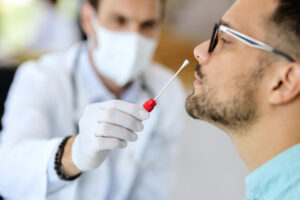
The “screening” component is a quick and simple evaluation to assess a patient’s substance use patterns. It usually involves a few standardized questions about the quantity and frequency of alcohol or drug use. For example, an alcohol screening and brief intervention might start with questions like, “How many times in the past year have you had five or more drinks in a day?” These validated questionnaires, such as the AUDIT or DAST, help the provider quickly identify if a person’s use is in a risky range. The screening is universal, meaning it’s offered to everyone, not just those suspected of having a problem. This normalizes the conversation and reduces stigma.
The Brief Intervention
If the screening reveals moderate to high-risk substance use, the provider moves to the “brief intervention.” This is not a confrontational lecture but a short, collaborative conversation. The provider will:
- Share the results of the screening.
- Discuss the potential health and social risks associated with the patient’s level of use.
- Explore the patient’s own motivations for potentially making a change.
- Work with the patient to set a small, achievable goal, such as reducing the number of drinks per week.
The entire intervention is patient-centered and non-judgmental, focusing on increasing insight and awareness rather than demanding abstinence. For many people in the at-risk category, this short conversation is enough to motivate them to change their behavior.
Why Using Screening and Brief Intervention to Catch Substance Use Early in Primary Care Is Effective
The primary care setting is an ideal environment for this type of intervention. Patients typically have a trusting relationship with their primary care provider, making them more likely to be honest about their substance use. Integrating this practice offers numerous benefits.
Normalizes the Conversation
By making questions about alcohol and drug use a routine part of every visit, just like checking blood pressure, it removes the shame and stigma often associated with substance use. Patients learn that their substance use is a part of their overall health, and it’s something they can openly discuss with their doctor.
Catches Problems Before They Escalate
The main goal is early intervention. SBIRT is designed to help a large number of people who are not dependent on substances but are using them in a way that could lead to future problems. By intervening at this stage, providers can help patients avoid the progression to a substance use disorder.
Connects Patients to Higher Levels of Care
For the smaller percentage of patients whose screening indicates a severe substance use disorder, the brief intervention serves as a crucial bridge to specialized treatment. The primary care provider can provide a warm handoff to a behavioral health specialist or an addiction treatment program. For those in New York, this could mean a referral to a dedicated mental health clinic in Brooklyn that offers substance use disorder services.
The Role of the Behavioral Health Specialist
In many integrated care models, primary care providers work closely with behavioral health professionals. If a screening indicates a significant issue, a behavioral health specialist might be brought into the exam room to conduct a more thorough assessment or to facilitate the referral process. This team-based approach ensures that patients receive the appropriate level of care immediately. Having this resource available, such as within a comprehensive mental health clinic in Brooklyn, makes the SBIRT process even more effective.
The integration of screening and brief intervention to catch substance use early in primary care represents a fundamental shift toward treating behavioral health with the same proactive approach as physical health. By asking the right questions in a supportive environment, healthcare providers can identify risky substance use long before it becomes a crisis. Simple tools like alcohol screening and brief intervention empower patients to make healthier choices and provide a clear pathway to specialized help when needed. If you have concerns about your own substance use, don’t hesitate to bring it up with your primary care provider—it’s a conversation that could change your life for the better. For further inquiries, call us on +1-718-367-2555 to get a consultation. We have some of the finest doctors psychiatrist who listen to your concerns, examine your symptoms, and create a treatment plan to improve your condition as soon as possible. If you need help learning coping methods, register your information and make direct contact with us at https://yuz88hfiyh7.typeform.com/Doralintake or send an email to info@doralhw.org. You can also visit us at 1797 Pitkin Avenue, Brooklyn, NY 11212.