An itchy scalp accompanied by white flakes can be both uncomfortable and frustrating. Many people immediately assume they have dandruff, a common scalp condition. However, these symptoms could also point to seborrheic dermatitis, a more inflammatory skin issue. While related, understanding the distinctions between dandruff and seborrheic dermatitis is crucial for finding effective relief. Differentiating between the two involves looking at the severity of symptoms, the location of the rash, and the underlying dandruff causes. Recognizing these signs is the first step toward managing your condition and restoring scalp health.
At Doral Health & Wellness, our commitment is to provide expert medical guidance for conditions affecting your well-being. Our dedicated team of specialists offers personalized care to help you diagnose and manage skin and scalp issues effectively. We are here to provide the support and treatment you need for a healthier, more comfortable life.
The Connection Between Dandruff and Seborrheic Dermatitis
Dandruff and seborrheic dermatitis are often viewed as parts of the same disease spectrum. Dandruff is considered the mildest form of seborrheic dermatitis, confined to the scalp without significant inflammation. Seborrheic dermatitis, on the other hand, involves more intense symptoms and can affect other parts of the body.
The primary factor linking both conditions is an overgrowth of a yeast-like fungus called Malassezia globosa. This microbe is naturally present on the skin of most adults. However, for some individuals, the immune system overreacts to its presence, leading to an accelerated cycle of skin cell renewal. This rapid turnover causes dead skin cells to accumulate and shed as visible flakes.
What is Dandruff?
Dandruff is a non-inflammatory scalp condition characterized by the shedding of fine, white or yellowish flakes of dead skin. While an itchy scalp is a common complaint, the itching is typically mild. The flaking is often most noticeable on dark clothing and can be a source of social unease. The primary dandruff causes include not only the Malassezia fungus but also dry skin, sensitivity to hair care products, and other skin conditions like eczema or psoriasis.
Key signs of dandruff include:
- Small, white, or yellowish flakes on the scalp, hair, and shoulders
- A mildly itchy scalp
- Symptoms that may worsen during fall and winter
What is Seborrheic Dermatitis?
Seborrheic dermatitis is a more severe condition that causes inflammation and greasy, scaly patches on the skin. While it frequently affects the scalp, it can also appear on other oily areas of the body. These areas include the face (especially around the nose, eyebrows, and ears), the chest, the back, and in skin folds.
Unlike the fine flakes of dandruff, the scales from seborrheic dermatitis are often thicker, greasier, and more yellowish. The skin underneath can be red and inflamed, and the itching is typically more persistent and intense. In infants, this condition is commonly known as “cradle cap.” For adults, flare-ups can be triggered by stress, hormonal changes, and cold weather.
Key signs of seborrheic dermatitis include:
- Greasy, yellowish scales or crusts on the scalp, face, or other body parts
- Red, inflamed skin
- Moderate to severe itching
- Stubborn flaking that doesn’t respond to regular dandruff shampoos
Identifying the Cause of Your Itchy Scalp and Dandruff
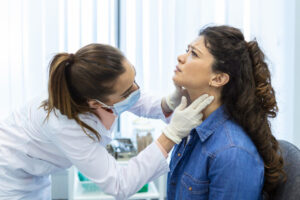
Determining whether you have dandruff or seborrheic dermatitis is key to finding the right treatment. A correct diagnosis often requires a professional evaluation. If you’ve been struggling with persistent flakes and an itchy scalp, searching for a “dermatologist near me” is a proactive step. A specialist can examine your scalp and skin to provide an accurate diagnosis.
A dermatologist will assess several factors:
- The appearance of the flakes – Are they small and dry or large and greasy?
- The level of inflammation – Is the skin under the flakes red and irritated?
- The location of symptoms – Is the condition limited to your scalp, or does it affect other areas?
- The severity of itching – Is the itch mild and occasional or intense and constant?
For those in New York, finding the best dermatologist in Brooklyn can offer access to advanced diagnostic tools and personalized treatment plans designed to address the root causes of your condition.
Treatment Options for Dandruff and Seborrheic Dermatitis
Treatment approaches vary based on the diagnosis and severity of your symptoms.
Treating Dandruff
For mild dandruff, over-the-counter (OTC) medicated shampoos are often the first line of defense. These products contain active ingredients designed to control yeast growth, reduce flaking, and soothe itching. Look for shampoos containing one of the following:
- Pyrithione zinc – An antibacterial and antifungal agent.
- Selenium sulfide – Slows the turnover of skin cells and controls fungus.
- Ketoconazole – A broad-spectrum antifungal that is very effective.
- Salicylic acid – Helps remove scale and buildup from the scalp.
- Coal tar – Slows the rate at which skin cells die and flake off.
It may be necessary to rotate between different types of shampoos if one stops working, as your scalp can build a resistance to a specific active ingredient over time.
Treating Seborrheic Dermatitis
Because seborrheic dermatitis is more inflammatory, treatment may require a more robust approach. While OTC shampoos can help, a dermatologist might recommend prescription-strength formulations. These can include stronger shampoos, lotions, creams, or ointments containing higher concentrations of ketoconazole or selenium sulfide.
In more severe cases, a doctor might prescribe:
- Corticosteroid lotions or foams – To reduce inflammation and control itching.
- Antifungal medications – Either topical or oral, to combat the overgrowth of Malassezia yeast.
- Calcineurin inhibitors – Creams or lotions that affect the immune response to reduce inflammation.
Finding the best dermatologist in Brooklyn is particularly important for managing a chronic condition like seborrheic dermatitis, as they can tailor a long-term strategy to prevent and control flare-ups. A simple search for a “dermatologist near me” can connect you with qualified professionals who can provide the necessary expertise.
Take Control of Your Scalp Health Today
Living with an itchy, flaky scalp can be disruptive, but effective treatments are available for both dandruff and seborrheic dermatitis. The most important step is obtaining an accurate diagnosis from a qualified professional. A dermatologist can distinguish between these conditions and create a treatment plan that addresses your specific symptoms and their underlying causes. Do not let discomfort dictate your quality of life.
If you are struggling with a persistent itchy scalp, flakes, or inflammation, it is time to seek professional guidance. To receive a comprehensive evaluation and personalized care plan, contact Doral Health & Wellness today at 1-718-365-2555 or visit us at 1797 Pitkin Avenue, Brooklyn, New York 11212. For general information about Doral Health & Wellness services, you can contact or email info@doralhw.org.