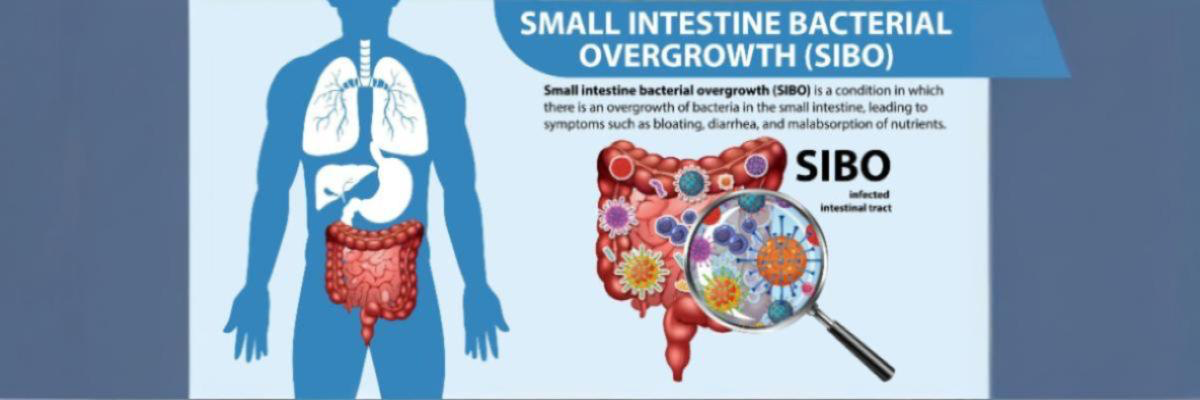
Small Intestinal Bacterial Overgrowth, or SIBO, is a complex digestive condition characterized by an excessive number of bacteria in the small intestine. This bacterial imbalance can lead to a host of uncomfortable symptoms, including bloating, gas, abdominal pain, and changes in bowel habits. These symptoms often overlap with other gastrointestinal disorders, making a precise diagnosis crucial. An effective SIBO treatment plan requires a multi-faceted approach that addresses the bacterial overgrowth, manages symptoms, and addresses the underlying cause to prevent recurrence. Understanding the condition is the first step toward finding lasting relief.
At Doral Health & Wellness, we are proud of our commitment to providing integrated, interdisciplinary health services to our community. Our expert gastroenterologists are dedicated to delivering trusted medical treatments and personalized guidance for complex digestive conditions like SIBO. We invite you to connect with our innovative medical facility for comprehensive and supportive care.
The Underlying Causes and Risk Factors for SIBO
The small intestine normally has a relatively low number of bacteria compared to the large intestine. SIBO occurs when this balance is disrupted, either by an overgrowth of native bacteria or the migration of bacteria from the large intestine. Several factors can compromise the body’s natural mechanisms for controlling bacterial populations.
Key Risk Factors
- Impaired Gut Motility – The migrating motor complex (MMC) is a series of muscular contractions that “sweeps” food debris and bacteria out of the small intestine between meals. Conditions that impair the MMC, such as certain neurological diseases or a history of food poisoning, are a major risk factor.
- Structural Abnormalities – Anatomical issues in the GI tract, such as intestinal scarring from surgery (adhesions), diverticula (small pouches in the intestinal wall), or strictures from Crohn’s disease, can create areas where bacteria can stagnate and multiply.
- Medical Conditions – Diseases like diabetes, celiac disease, and hypothyroidism can affect gut motility and increase SIBO risk.
- Medication Use – Long-term use of proton pump inhibitors (PPIs) to reduce stomach acid can alter the gut environment, potentially allowing for bacterial overgrowth.
How SIBO Is Diagnosed: Breath Testing
Since SIBO symptoms are non-specific, a definitive diagnosis relies on specialized testing. A consultation with the best gut doctoris essential to determine the appropriate diagnostic path.
- Breath Tests – This is the most common, non-invasive method for diagnosing SIBO. The patient drinks a sugar solution (lactulose or glucose), and then their breath is analyzed at regular intervals. Bacteria in the small intestine will ferment the sugar and produce hydrogen or methane gas, which is absorbed into the bloodstream and exhaled. Elevated levels of these gases in the breath indicate an overgrowth.
- Small Intestine Aspirate and Culture – This is considered the “gold standard” but is invasive and rarely performed. It involves passing an endoscope down to the small intestine to collect a fluid sample for analysis.
A Multi-Faceted Approach to SIBO Treatment
Effective SIBO treatment aims to reduce the bacterial load, provide symptom relief, and address the root cause to prevent relapse. Treatment plans are highly individualized.
Eradicating the Overgrowth
- Antibiotics – The primary treatment is a course of specific antibiotics to reduce the number of bacteria in the small intestine. Rifaximin is a commonly prescribed, non-absorbable antibiotic that acts directly in the gut with minimal systemic side effects. For methane-dominant SIBO, a combination of Rifaximin and another antibiotic like Neomycin is often used.
- Herbal Antimicrobials – Some practitioners may use herbal protocols as an alternative to prescription antibiotics.
Nutritional Management
- Dietary Changes – Diet plays a crucial role in managing symptoms during and after treatment. The goal is to reduce foods that “feed” the overgrown bacteria.
- Elemental Diet – For severe or resistant cases, a doctor may recommend an elemental diet. This is a liquid formula containing pre-digested nutrients that are absorbed very early in the small intestine, effectively starving the bacteria further down. This is a short-term therapeutic option that requires medical supervision from an experienced gut doctor NY.
The Low-FODMAP Diet for Symptom Relief
One of the most effective dietary strategies for managing SIBO symptoms is the low-FODMAP diet. FODMAPs are a group of short-chain carbohydrates (Fermentable Oligosaccharides, Disaccharides, Monosaccharides, and Polyols) that are poorly absorbed in the small intestine. The overgrown bacteria rapidly ferment these carbohydrates, producing gas and causing bloating, pain, and diarrhea.
Phases of the Low-FODMAP Diet
- Elimination Phase – For a period of 2-6 weeks, all high-FODMAP foods are strictly avoided to provide symptom relief. This phase is meant to be temporary.
- Reintroduction Phase – Once symptoms have improved, different FODMAP groups are systematically reintroduced one by one to determine individual tolerance levels.
- Personalization Phase – Based on the results of the reintroduction phase, a long-term, modified low-FODMAP diet is created. This plan incorporates a variety of well-tolerated foods to ensure nutritional adequacy.
It is highly recommended to undertake this diet under the guidance of a professional, such as the best gastroenterologist near me, to ensure it is done correctly and safely.
Preventing SIBO Relapse
SIBO has a high rate of recurrence. A long-term management strategy is essential and should focus on the underlying cause.
- Prokinetics – These are medications that stimulate the migrating motor complex (MMC) to improve gut motility and help prevent bacteria from accumulating again. They are often prescribed to be taken at bedtime after a successful course of antibiotics.
- Meal Spacing – Allowing at least 4-5 hours between meals gives the MMC a chance to activate and perform its “housekeeping” function.
Your Partner in Digestive Wellness
SIBO treatment requires a comprehensive and personalized plan that goes beyond simply eradicating the bacteria. A successful outcome involves accurate testing, targeted treatment, strategic dietary management, and a long-term plan to address the root cause and prevent relapse. Partnering with a knowledgeable gastroenterologist is the key to navigating this complex condition and achieving lasting digestive health.
For expert and compassionate gastroenterology care in the East New York community, trust the specialists at Doral Health & Wellness. Our dedicated team is equipped with advanced diagnostics to accurately diagnose and manage complex conditions like SIBO. To schedule a consultation with the best gut doctor and develop a personalized treatment plan, contact Doral Health & Wellness today at 1-718-365-2555 or visit us at 1797 Pitkin Avenue, Brooklyn, New York 11212. For general information about Doral Health & Wellness services, you can contact or email info@doralhw.org.