Sinus bradycardia is a slow heart rate below 60 beats per minute. It can be harmless in athletes but may signal a serious condition when paired with symptoms like dizziness, fatigue, or fainting. A cardiologist can determine whether treatment is needed based on your specific health history.
Your heart beats around 100,000 times a day. When it slows down unexpectedly, your body notices. Sinus bradycardia, a resting heart rate below 60 beats per minute, is not always dangerous, but there are slow heartbeat symptoms you shouldn’t ignore. This patient guide to sinus bradycardia will help you understand what to watch for, when to act, and how a cardiologist can help.
What Is Sinus Bradycardia and Who Does It Affect?
Sinus bradycardia means the heart’s natural pacemaker, called the sinus node, is firing more slowly than normal. According to the American Heart Association, a normal resting heart rate falls between 60 and 100 beats per minute.
For athletes and physically active people, a slow resting heart rate is often a sign of good cardiovascular fitness. For others, it may point to an underlying medical issue that needs attention.
Common causes include:
- Age-related changes: The heart’s electrical system can slow as you get older.
- Thyroid disorders: An underactive thyroid (hypothyroidism) is a well-documented cause of bradycardia.
- Medications: Beta-blockers, calcium channel blockers, and certain antiarrhythmic drugs can slow your heart rate.
- Heart disease: Coronary artery disease or prior heart attacks can affect the sinus node.
- Sleep apnea: Pauses in breathing during sleep can trigger bradycardia episodes overnight.
What Are the Slow Heartbeat Symptoms You Shouldn’t Ignore?
Some people with sinus bradycardia feel nothing at all. Others experience symptoms that affect their daily life. The difference matters — and it is worth paying attention to.
Symptoms that deserve a call to your cardiologist include:
- Fatigue: Feeling unusually tired, even after rest, may mean your heart is not pumping enough blood to meet your body’s needs.
- Dizziness or lightheadedness: This happens when reduced blood flow affects the brain — even briefly.
- Fainting or near-fainting: A sudden loss of consciousness is always a reason to seek care right away.
- Shortness of breath: If everyday tasks leave you winded, your heart’s output may be reduced.
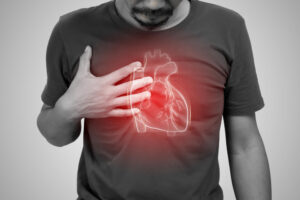
- Chest discomfort: Any pressure or tightness in the chest alongside a slow heart rate warrants immediate evaluation.
- Difficulty concentrating: Poor blood flow to the brain can affect memory and focus over time.
These symptoms do not always mean something is seriously wrong. But they are your body’s way of signaling that something has changed. Do not wait to see if they go away on their own.
How Is Sinus Bradycardia Diagnosed and Treated?
Diagnosis starts with a physical exam and an electrocardiogram (ECG), which records the electrical activity of your heart. Your cardiologist may also recommend a Holter monitor, a portable ECG device worn for 24 to 48 hours to capture heart rhythm patterns throughout your day.
Treatment depends on the cause and the severity of your symptoms:
- If a medication is responsible, your doctor may adjust the dose or switch you to an alternative.
- If an underlying condition like hypothyroidism is found, treating that condition often resolves the bradycardia.
- In cases where the sinus node is damaged, a pacemaker may be recommended to keep the heart beating at a safe and steady rate.
Many patients at a cardiology clinic in Brooklyn find that a clear diagnosis brings significant relief. Knowing the cause of your symptoms is the first step toward managing them with confidence. Our cardiology team can help you with diagnosis and management of heart issues.
Take the Next Step
A slow heart rate does not always mean something is wrong. But the slow heartbeat symptoms you shouldn’t ignore- dizziness, fainting, shortness of breath, and chest discomfort- are your body asking for attention.
If you or someone you love is experiencing these symptoms, reach out to a cardiologist today by calling us at +1-718-367-2555 or walking into our clinic at 1797 Pitkin Avenue, Brooklyn, NY 11212. Early evaluation can prevent more serious complications and give you a clear picture of your heart health. Our cardiologists are here to guide you through every step of that process, with compassionate care and clear answers.