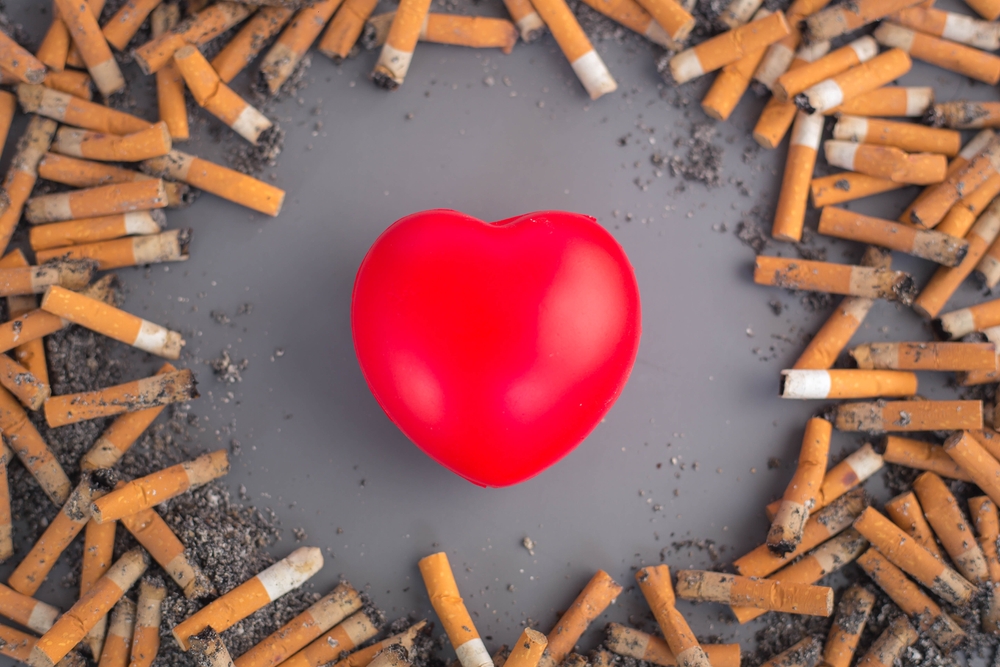
Smokers vascular risks continue to be a major concern in public health, with devastating consequences for millions of people. In the United States alone, eight million people die from cardiovascular disease each year, making it one of the leading causes of death nationwide. Alarmingly, smoking accounts for approximately one in four of these deaths, firmly establishing it as the most preventable cause of cardiovascular diseases (CVD).
Even if you believe smoking helps you relax or cope with stress, the reality is far more dangerous than you may think. Smokers vascular risks are not limited to heavy smokers. Research shows that individuals who smoke fewer than five cigarettes per day can still exhibit early symptoms of CVD, such as reduced circulation, shortness of breath, and increased arterial stiffness.
Moreover, secondhand smoke exposure significantly elevates vascular risk, even for non-smokers. Whether you’re actively smoking or simply inhaling the smoke of others, your risk of heart attack, stroke, and peripheral artery disease rises considerably. This is why understanding smokers vascular risks is critical—not just for smokers, but for their families and loved ones as well.
It’s never too late to take control of your health. Quitting smoking is the most effective step you can take to reduce smokers vascular risks and prevent long-term damage to your arteries and heart. Pairing smoking cessation with heart-healthy habits like regular exercise, a balanced diet, and routine vascular screenings can dramatically lower your risk.
Don’t wait until symptoms appear. Schedule a consultation with the best Cardiology – Doral Health & Wellness NY in Brooklyn to assess your vascular health and receive personalized guidance on quitting smoking and improving your overall well-being. Your heart, your future, and your life depend on it.
What does quitting: Reducing Smokers Vascular Risks?
Smokers vascular risks don’t just disappear overnight, but the moment you quit smoking, your body begins an incredible process of repair. Although smoking causes long-term damage—particularly to the cardiovascular system—quitting can dramatically reduce your risk of serious health complications and even extend your life expectancy.
It’s important to understand that while the body begins to heal, smokers vascular risks don’t vanish instantly. The extent of recovery depends heavily on how many years you smoked and how many cigarettes you used per day. That’s why undergoing a vascular health evaluation is crucial. It helps assess the degree of damage already caused and guides you toward specific preventative actions tailored to your cardiovascular profile.
Here’s how your body starts to recover once you quit smoking:
Within 20 minutes – Your blood pressure and heart rate begin to drop, easing the strain on your vascular system. This early improvement marks the first step in lowering smokers vascular risks.
After 24 hours – Your risk of a heart attack begins to decrease as oxygen levels improve and carbon monoxide is cleared from your bloodstream.
Within 1 month – Your circulation improves, bad cholesterol levels drop, and good cholesterol levels increase—critical steps in reducing smokers vascular risks and enhancing artery health.
After 1 year – Your heart attack risk is slashed by 50%, a powerful sign of how resilient the cardiovascular system can be with the right changes.
Within 2–5 years – Your stroke risk lowers significantly, sometimes reaching that of a non-smoker. This is one of the most remarkable reversals in smokers vascular risks.
After just a few years – Your vascular system starts to resemble that of someone who never smoked, provided you’ve also adopted a healthy lifestyle and regular screening.
After 5 years – Your risk of cancers related to the mouth, throat, bladder, and esophagus is reduced by 50%, showing how interconnected smoking is with both vascular and overall systemic health.
At the 10-year mark – Your risk of dying from lung cancer drops by half, and your overall cardiovascular and respiratory health continues to improve.
Despite these promising milestones, it’s critical to remember that smokers vascular risks can remain hidden until they present as serious conditions—such as aneurysms, peripheral artery disease, or strokes. That’s why quitting smoking should go hand-in-hand with proactive health management, including ultrasound vascular studies, routine checkups, and support from a cardiologist.
If you’ve recently quit or are planning to, take the next step in protecting your health. Schedule a vascular evaluation with the top cardiologists in Brooklyn and find out where your health stands. Prevention and awareness are key to reversing the impact of smoking and avoiding future complications tied to smokers vascular risks.
How can you quit smoking?
Quitting smoking is one of the most important steps you can take to reduce smokers vascular risks and improve your long-term health. While the decision to quit can be challenging, it’s entirely achievable with the right mindset, support, and resources. Smoking not only damages your lungs—it directly affects your blood vessels and circulation, significantly increasing the chances of vascular diseases like peripheral artery disease, stroke, and heart attacks. Taking action today can drastically lower these risks over time.
Here are some proven strategies to help you quit and lower smokers vascular risks:
Get rid of all smoking items: Throw away your cigarettes, ashtrays, lighters, and anything else associated with smoking to remove daily triggers.
Build a strong support system: Let your friends, family, and coworkers know about your decision. Their encouragement can help you resist cravings and stay accountable.
Avoid temptation zones: Stay away from places, people, or situations where you usually smoked, especially in the early stages of quitting.
Replace habits with healthy alternatives: When the urge to smoke hits, try chewing sugar-free gum, sipping cold water, snacking on healthy foods, or using unsweetened popsicles to redirect your behavior.
Clean your environment: Remove the scent of tobacco by washing clothes, deep-cleaning your home, and using air purifiers or fresheners. A smoke-free space reinforces your new lifestyle and reduces relapse triggers.
Use behavioral support: Join support groups or talk to a mental health professional who specializes in smoking cessation. Behavioral therapy has proven effective in helping individuals understand and manage the psychological aspects of nicotine addiction.
Consult your physician: Ask your doctor for a referral to a certified smoking cessation program. Many programs include both counseling and medication to ease withdrawal symptoms and increase your chances of quitting successfully.
Explore pharmacological help: Nicotine replacement therapy (NRT) products like patches, gums, or lozenges, as well as prescription medications like bupropion or varenicline, can support your efforts. Discuss these options with your healthcare provider.
The good news is that most health insurance plans cover smoking cessation services, including medications and counseling. Medicaid in many states also includes coverage for treatments that support quitting. Speak with your insurance provider or physician to explore your options and avoid unnecessary out-of-pocket costs.
Quitting smoking may be hard—but the benefits are life-changing. Not only will you feel better physically and mentally, but you will also be actively reversing many smokers vascular risks that could lead to life-threatening conditions. Every day without smoking is a step closer to a healthier heart, cleaner lungs, and stronger blood vessels.
Take the first step toward reclaiming your health. Ask your doctor about a vascular evaluation and make a personalized plan to address the effects of smoking on your circulatory system. The earlier you act, the more you can do to prevent future complications tied to smokers vascular risks.
Need help to quit smoking habits, call our specialist today to get the first free session for smoking cessation online. To permanently quit your smoking, visit our clinic and medical and support help you need to improve your health. For any vascular problems, call us on +1(347) 384-5690. The Cardiologists at Doral Health & Wellness consistently have outstanding patient satisfaction ratings. The professionals at Heart Specialist Brooklyn are able to greatly improve their patient’s health and quality of life because of their vast training and experience. New Yorkers can get the greatest medical, surgical, and cardiovascular care at Doral Health & Wellness Brooklyn. Visit us at 1797 Pitkin Avenue, Brooklyn, NY 11212.