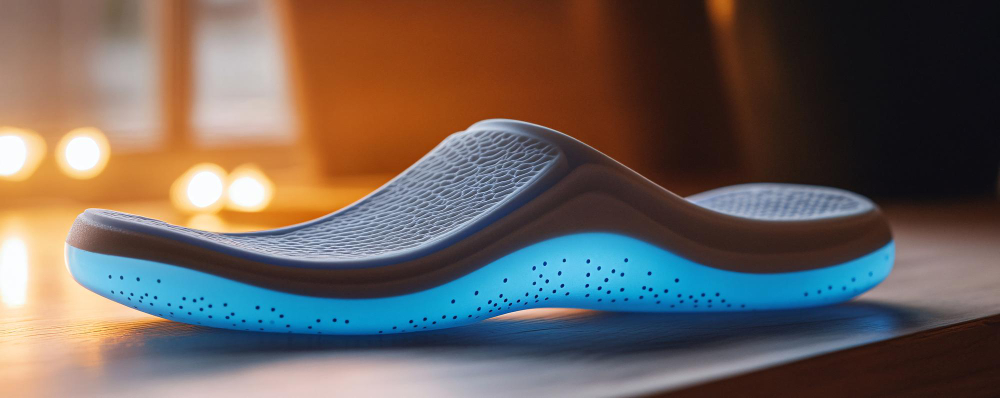
Medicare Part B covers therapeutic shoes and inserts for people with diabetes and a qualifying foot condition. After meeting the Part B deductible, you pay 20% of the Medicare-approved amount — or nothing, if you have supplemental coverage. The benefit renews every calendar year.
Many people living with diabetes do not realize that Medicare may cover the cost of their diabetic insoles. If you have been managing foot pain, neuropathy, or circulation problems on your own, you may already qualify for free diabetic insoles through Medicare coverage for diabetic insoles — and have for years.
This guide breaks down exactly who qualifies, what the benefit covers, and how to get started at a podiatry clinic in Brooklyn or through your local supplier.
How to Qualify for Free Diabetic Insoles with Medicare Coverage
Who Is Eligible?
Qualifying comes down to two conditions, and most people with diabetes meet both without realizing it.
First, you need a confirmed diabetes diagnosis — any type. Second, you need at least one of the following foot conditions in either foot:
- Foot deformity (such as bunions or hammer toes)
- Current or previous foot ulceration
- Pre-ulcerative calluses
- Previous partial or full amputation
- Peripheral neuropathy with evidence of callus formation
- Poor circulation (peripheral arterial disease)
You do not need an active wound or a hospitalization history. The benefit is designed as prevention, not a last resort. By the time most people learn about it, they have already been eligible for years.
What Medicare Covers
Medicare Part B covers one pair of therapeutic shoes and up to three pairs of inserts per calendar year. Depending on your foot structure, you may receive:
- A pair of extra-depth shoes and three pairs of inserts, or
- A pair of custom-molded shoes and two pairs of inserts
After meeting the 2026 Part B deductible of $283, you pay 20% of the Medicare-approved amount. If you carry a Medigap supplemental policy, that 20% is typically covered as well — making the insoles effectively free. Medicare Advantage plans must offer the same benefit, though you will need to use in-network providers.
Steps to Get Your Medicare-Covered Diabetic Insoles
The process involves two providers and some paperwork. It is not complicated once you know what to expect.
See a Podiatrist
Your first step is scheduling a visit with a podiatrist, who will evaluate your foot health, assess your gait, identify pressure points or deformities, and determine which type of shoe and insert is right for you. The podiatrist can write the shoe order and serve as your supplier — meaning fewer appointments and less back-and-forth.
Get the Right Prescription
Medicare requires two separate provider roles. A podiatrist handles the prescription, but a medical doctor (MD) or doctor of osteopathy (DO) — typically your primary care physician or endocrinologist — must certify that you have diabetes and a qualifying foot condition. This in-person visit must happen within six months before your insoles are delivered, and the signed certification must be dated within three months of delivery.
When you call your primary care doctor, simply say: “I’d like to discuss my Medicare diabetic shoe benefit and complete the certification paperwork.” They will know exactly what is needed.
Pick Up at a Local Pharmacy or Supplier
Once your documentation is in order, your insoles can be dispensed by a podiatrist, orthotist, prosthetist, pedorthist, or another qualified supplier enrolled in Medicare. Confirm that your supplier is Medicare-enrolled before proceeding — Medicare will not cover claims from unenrolled suppliers.
Why Work with a Podiatry Clinic in Brooklyn
Living in Brooklyn gives you access to experienced podiatric care close to home. A podiatry clinic in Brooklyn that is familiar with the Medicare therapeutic footwear benefit can handle the clinical evaluation, documentation coordination, and shoe fitting all in one place. That matters, because incomplete paperwork is the most common reason claims are denied.
A local podiatrist who knows your foot history and understands the Medicare process can make the difference between a smooth approval and a denied claim.
Your Next Step
You have already done the harder work — managing your diabetes day in and day out. Getting insoles that protect your feet should not require a second full-time job.
Reach out to our Podiatry team today by calling +1 718 367 2555 or visit us at 1797 Pitkin Avenue, New York, NY 11212 to schedule a consultation. Bring your Medicare card, a list of your current medications, and any recent notes from your primary care physician. The sooner you start, the sooner your feet get the support they need.