In the ongoing opioid crisis, one of the most powerful tools available to save lives is a medication called naloxone. Commonly known by its brand name, Narcan, this medication has become essential for first responders, healthcare workers, and even the general public. Understanding the role of naloxone (Narcan) in reversing opioid overdose is crucial for anyone who may encounter such a medical emergency. This fast-acting antidote can mean the difference between life and death. As overdose rates remain alarmingly high, knowledge about naloxone use and its accessibility is a critical component of public health and safety. Visit the best Mental Health Clinic in Brooklyn at Doral Health & Wellness, or log on to www.doralhw.org.
What is Naloxone and How Does it Work?
Naloxone is an opioid antagonist. This means it works by binding to the same opioid receptors in the brain that drugs like heroin, fentanyl, or prescription painkillers attach to. When a person overdoses on an opioid, the drug slows down and can eventually stop their breathing. This respiratory depression is the primary cause of death in an opioid overdose.
Naloxone has a stronger affinity for these receptors than opioids do. When administered, it effectively knocks the opioids off the receptors and blocks them from reattaching. This action rapidly reverses the effects of the overdose, most importantly restoring normal breathing. The effects of naloxone are temporary, typically lasting between 30 and 90 minutes.
It is important to know that naloxone only works on opioids. It does not affect someone who has not taken opioids and is not addictive.
The Critical Role of Naloxone (Narcan) in Reversing Opioid Overdose
The widespread availability of naloxone is a cornerstone of harm reduction strategies aimed at combating the opioid epidemic. Its ability to quickly reverse an overdose provides a crucial window of time for emergency medical services to arrive and provide further care.
Recognizing the Signs of an Opioid Overdose
Knowing when to use naloxone is just as important as knowing how. Someone experiencing an opioid overdose may exhibit the following signs:
- Slow, shallow, or stopped breathing
- Unconsciousness or unresponsiveness (not waking up even when shaken or called)
- Pinpoint pupils (very small “dots” in the center of the eyes)
- Blue or purple lips and fingernails
- Faint heartbeat
- Gurgling or choking sounds
If you suspect an overdose, you should call 911 immediately and administer naloxone if it is available.
Different Forms of Naloxone
Naloxone is designed to be user-friendly for people without medical training. The most common formulations include:
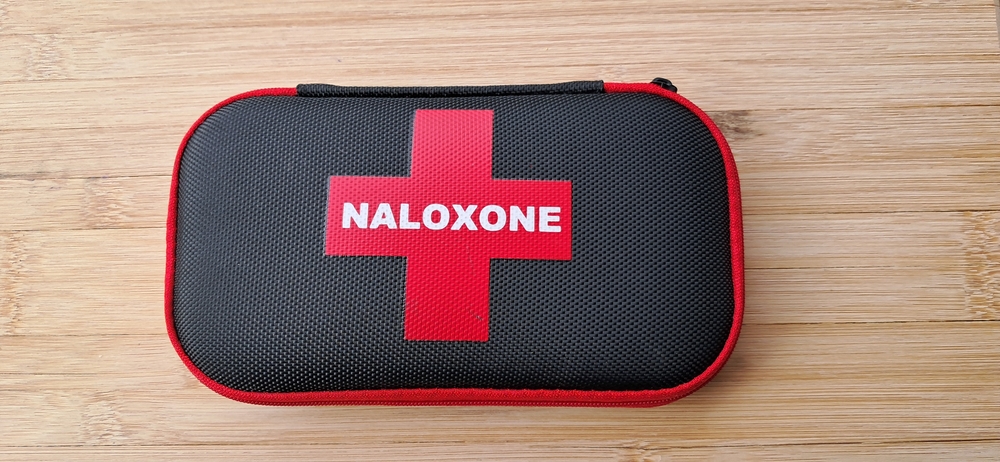
- Nasal Spray (Narcan): This is the most widely used form. It is a pre-filled, needle-free device that is sprayed into one nostril. No assembly is required, making it easy to use in a high-stress situation.
- Injectable: Naloxone can also be administered via injection into a muscle, under the skin, or into a vein. This form is often used by trained medical professionals but can also be distributed in kits for community use.
Beyond the Reversal: The Path to Recovery
While naloxone is a life-saving intervention, it is not a cure for addiction. An overdose is a traumatic medical event and often serves as a critical turning point for an individual. After an overdose has been reversed, the person will experience immediate and often intense withdrawal symptoms because the naloxone has stripped the opioids from their brain’s receptors. This can be a very distressing experience.
This moment highlights the need for a comprehensive follow-up plan that addresses the underlying substance use disorder. Connecting the individual with a mental health specialist or a treatment program is the essential next step. True recovery involves addressing the psychological, behavioral, and social factors that contribute to addiction.
A reputable mental health clinic in Brooklyn can provide a full spectrum of care, from initial assessment to long-term recovery support. These clinics offer evidence-based treatments like medication-assisted treatment (MAT) and counseling to help individuals build a foundation for lasting sobriety. A compassionate mental health specialist can help the person navigate the complexities of recovery.
The role of naloxone (Narcan) in reversing opioid overdose cannot be overstated. It is a vital emergency tool that has saved countless lives. Restoring breathing within minutes gives individuals a second chance—a chance to seek the help they need for their substance use disorder. The increasing accessibility of naloxone empowers communities to respond effectively to overdose emergencies.
However, the journey does not end with the reversal. An overdose is a clear sign that professional help is needed. If you or someone you know is struggling with opioid use, it is crucial to connect with treatment resources. The teams at a dedicated mental health clinic in Brooklyn are equipped to provide the compassionate, expert care required to move from surviving an overdose to thriving in recovery. For further inquiries, call us on +1-718-367-2555 to get a consultation. We have some of the finest doctors psychiatrist who listen to your concerns, examine your symptoms, and create a treatment plan to improve your condition as soon as possible. If you need help learning coping methods, register your information and make direct contact with us at https://yuz88hfiyh7.typeform.com/Doralintake or send an email to info@doralhw.org. You can also visit us at 1797 Pitkin Avenue, Brooklyn, NY 11212.