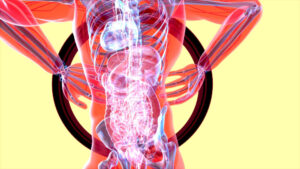
What you eat has a profound impact on nearly every aspect of your well-being, from your daily energy levels to your long-term risk for chronic disease. With so much conflicting health advice available, it can be challenging to know what is best for your body. This is where the crucial link between nutrition and primary care comes in. Your primary care provider (PCP) can offer evidence-based, personalized guidance to help you build a healthier relationship with food.
At Doral Health & Wellness, we integrate nutritional counseling into our patient-first approach to healthcare. Our dedicated professionals are here to guide you toward sustainable eating habits that support your unique health goals and needs. We are committed to providing you with expert, comprehensive care.
Why Nutrition Belongs in Primary Care
Your primary care provider is your main partner in maintaining long-term health, with a focus on prevention. Since diet is a major factor in many chronic conditions like heart disease, type 2 diabetes, and hypertension, understanding nutrition and primary care is essential. Integrating dietary guidance into your regular check-ups creates a holistic health strategy.
Prevention and Everyday Energy
A nutrient-dense diet is fundamental for disease prevention and supporting your body’s daily functions. The foods you consume provide the energy for everything you do, support immune function, and can even influence your mood and mental clarity. Your PCP can help you identify simple dietary changes to boost your vitality and reduce your risk of future health problems.
Evidence-Based Food Patterns
Rather than promoting restrictive fad diets, providers often recommend well-researched eating patterns.
- The DASH Diet – The Dietary Approaches to Stop Hypertension (DASH) eating plan is often recommended to help lower blood pressure. It emphasizes fruits, vegetables, whole grains, and lean proteins while limiting sodium, red meat, and sugary drinks.
- The Mediterranean Diet – Consistently ranked as one of the healthiest eating styles, the Mediterranean diet is rich in healthy fats (like olive oil), fish, fruits, vegetables, and whole grains. Studies show it supports heart health and may reduce the risk of certain chronic diseases.
How Your Primary Care Doctor Personalizes Nutrition
Your nutritional needs are unique. Your primary care provider uses a personalized approach to help you create a sustainable and effective eating plan that fits your life.
Assessments, Labs, and Goal Setting
Your doctor will start by assessing your current diet, lifestyle, and medical history. They may order lab tests to check your cholesterol, blood sugar, and nutrient levels. Based on this comprehensive evaluation, you and your provider can work together to set realistic and achievable goals, whether it’s lowering your blood pressure or simply improving your overall energy.
Practical Swaps and Portion Guidance
Lasting change often comes from small, manageable adjustments. Your provider can offer practical advice, such as swapping processed snacks for whole foods or suggesting simple ways to control portion sizes without feeling deprived. This guidance is designed to empower you to make healthier choices that become second nature over time.
Nutrition for Common Conditions with Primary Care in NY
For New Yorkers managing chronic health issues, having access to quality primary care in NY that integrates nutrition is critical. A trusted provider can help you use food as a tool to manage your condition.
Diabetes and Blood Sugar Basics
For individuals with diabetes, dietary management is key. A PCP can offer guidance on balancing carbohydrates, proteins, and fats to maintain stable blood sugar levels. They will monitor your HbA1c and work with you to create a meal plan that aligns with the latest American Diabetes Association recommendations.
Blood Pressure and Heart Health
If you have high blood pressure, your doctor will likely discuss reducing your sodium intake, as recommended by the American Heart Association. A diet rich in potassium, found in foods like bananas and leafy greens, can also help. Finding a “primary care near me” that provides this guidance is a vital step toward protecting your heart.
Weight, Sleep, and Stress
Nutrition is interconnected with many aspects of your life. Your provider can discuss how certain foods may impact your sleep quality, how stress can influence your eating habits, and how a balanced diet can support healthy weight management. This holistic view ensures all factors are considered.
Tools That Make Healthy Eating Easier
Adopting new habits is easier with the right support. Modern healthcare offers several tools to help you stay on track with your nutritional goals.
Patient Portals, Telehealth, and Reminders
Many clinics offer patient portals for viewing lab results and communicating with your provider. Telehealth appointments can provide convenient follow-ups to discuss your progress. As of 2023, patient portal use has become widespread, enabling more people to actively participate in their care. The best primary care in New York leverages these tools to support you.
When to See a Registered Dietitian
While your PCP is an excellent resource, they may refer you to a registered dietitian (RD) for more specialized or intensive nutritional counseling. RDs are food and nutrition experts who can create detailed meal plans for complex medical conditions.
Next Steps: Build Your Food Plan with a Trusted PCP in Brooklyn
Healthy eating does not have to be a source of confusion or stress. With the right guidance from a trusted medical professional, you can harness the power of nutrition to improve your health and vitality. At Doral Health & Wellness, we are here to provide the support you need.
Start your journey toward a healthier you. Contact Doral Health & Wellness today at 1-718-365-2555 or visit us at 1797 Pitkin Avenue, Brooklyn, New York 11212. For general information about Doral Health & Wellness services, you can contact or email info@doralhw.org.