Your skin tells a story, and sometimes it whispers before it shouts. A new spot, a changing mole, a sore that won’t heal—these small signals are easy to brush off when life gets busy. That is exactly why preventive care matters so much.
Skin cancer is one of the most common cancers, yet it is also one of the most treatable when caught early. The challenge is knowing what to look for. Health literacy—understanding your own body and recognizing when something has changed—gives you the power to act before a small problem becomes a serious one. You don’t have to be a doctor to spot trouble. You just need to know the signs. This guide walks you through them, step by step.
Early Warning Signs of Skin Cancer: The ABCDE Rule
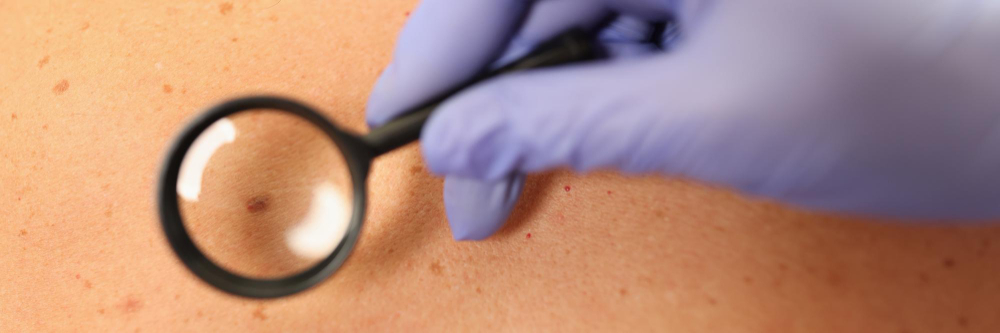
Most melanomas present as changes in a mole or spot. Dermatologists use a simple checklist called the ABCDE rule to make these changes easier to remember.
Check your moles against these five signs:
- Asymmetry: One half of the spot does not match the other half.
- Border: The edges are irregular, ragged, notched, or blurred.
- Color: The color is uneven, with shades of brown, black, tan, or patches of red, white, or blue.
- Diameter: The spot is larger than 6 millimeters—about the size of a pencil eraser—though melanomas can be smaller.
- Evolving: The mole is changing in size, shape, or color, or simply looks different from the rest.
If a spot shows any of these signs, do not wait. Booking a dermatology screening service is a calm, practical next step that brings answers and peace of mind.
The Overlooked Symptoms People Commonly Miss
Skin cancer does not always appear where you expect it. Some melanomas hide in places you rarely think to examine, and these are the ones that catch families off guard.
Pay attention to these often-missed areas:
- Under the nails: A dark line or streak in a fingernail or toenail can signal acral melanoma.
- Palms and soles: Dark, irregular patches may form on the hands or feet.
- The eyes: A dark spot in the colored part of the eye can point to uveal melanoma.
- Mouth, nose, and other hidden spots: Dark or irregular areas in these tissues deserve a professional look.
Also watch for a sore that won’t heal, a spot that bleeds or itches, or pigment spreading beyond a mole’s border. When you notice any of these, an annual skin health check can help you stay ahead of the problem.
Health Education: Who Is Most at Risk
Knowing your risk is part of protecting your health. Skin cancer can affect anyone, but certain factors raise the odds.
You may face a higher risk if you have fair skin, a history of sunburns, many moles, or a family history of skin cancer. People with weakened immune systems—such as those recovering after a transplant—also need closer monitoring.
Take the Next Step Toward Peace of Mind
A few minutes in front of the mirror could change everything. If something looks new, different, or simply doesn’t feel right, you deserve answers from a professional who cares. Early detection saves lives—and you are never alone in this.
If stress, anxiety, or exhaustion are affecting your daily life, reach out today by calling +1-718-367-2555 to get a consultation or visit us at 1797 Pitkin Avenue, Brooklyn, NY 11212. Our compassionate care team can schedule a home care visit and build a personalized plan that fits your family’s needs. Expert care and reassurance are closer than you think.