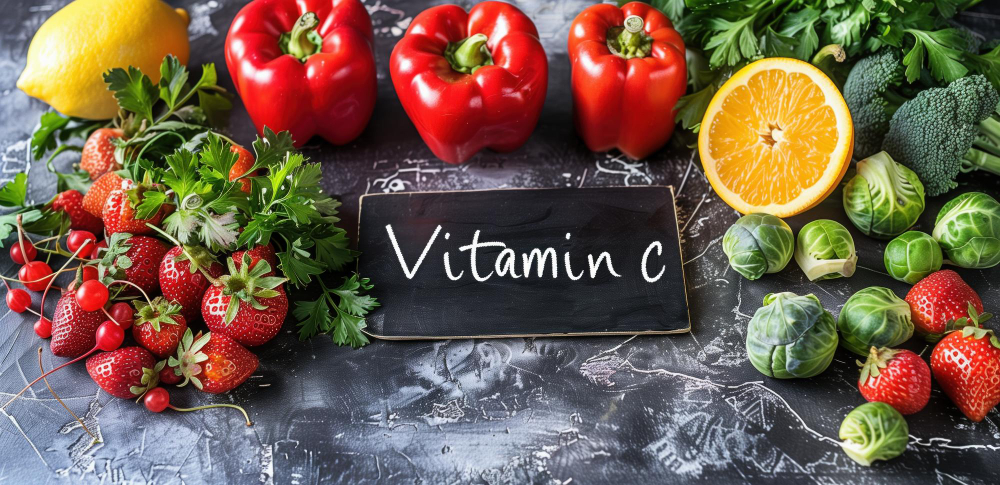
Vitamin C is an essential water-soluble nutrient that supports immune health, collagen production, antioxidant defense, and iron absorption. Adults need 75–90 mg per day, with an upper limit of 2,000 mg. Red bell peppers, guava, and strawberries are among the richest food sources.
Getting enough vitamin C matters more than most people realize. Known scientifically as ascorbic acid, this essential nutrient plays a role in nearly every system of your body — from fighting off illness to keeping your skin firm and your energy steady. Yet the benefits of vitamin C, the right vitamin C dosage, and the best vitamin C food sources are topics that often get oversimplified or misunderstood.
This guide to vitamin C covers what you need to know, clearly and honestly, so you can make informed choices about your health.
What are the key benefits of vitamin C for your health?
Immune support
Your immune system relies on vitamin C to function properly. According to the National Institutes of Health (NIH), vitamin C helps the immune system protect the body from disease. It also supports the repair of tissues damaged by environmental stressors such as pollution and cigarette smoke.
Collagen production and skin health
Collagen is the protein that holds your skin, joints, and connective tissue together. Your body cannot produce collagen without vitamin C. When intake is too low over time, wound healing slows and skin health declines — this connection is one reason a nutritionist may ask about vitamin C when evaluating skin or recovery concerns.
Antioxidant protection
Vitamin C acts as an antioxidant, neutralizing free radicals before they can damage cells. Free radicals are compounds formed naturally during metabolism and through environmental exposure. Consistent antioxidant intake is one of the clearest ways to support long-term cellular health.
Iron absorption
Plant-based iron is harder for the body to absorb than iron from animal sources. Vitamin C improves that absorption significantly, making it especially relevant if you follow a vegetarian or vegan diet.
Vitamin C dosage: How much do you actually need?
Recommended daily amounts by age and gender
The NIH Office of Dietary Supplements provides these daily recommendations:
- Children 1–3 years: 15 mg
- Children 4–8 years: 25 mg
- Children 9–13 years: 45 mg
- Teen males 14–18: 75 mg; teen females: 65 mg
- Adult men: 90 mg; adult women: 75 mg
- Pregnant women: 85 mg; breastfeeding women: 120 mg
- Smokers: add 35 mg to the applicable amount above
Upper limits and safety
More is not always better. The upper limit for adults is 2,000 mg per day from all sources combined. Exceeding that threshold can cause diarrhea, nausea, and stomach cramping. In people with high iron stores, excessive vitamin C may worsen iron overload.
A nutritionist consultant in Brooklyn or a registered dietitian can help you determine the right intake based on your individual health picture.
Best vitamin C food sources
Top fruits high in vitamin C
Oranges are the most famous source, but several fruits deliver more per serving:
- Red bell pepper: 152 mg per medium pepper
- Guava: 125 mg per fruit
- Strawberries: 98 mg per cup (sliced)
- Broccoli: 81 mg per cup (raw)
- Oranges: 70 mg per medium fruit
- Kiwifruit: 64 mg per fruit
Top vegetables high in vitamin C
- Brussels sprouts: 75 mg per cup (raw)
- Broccoli: 81 mg per cup (raw, chopped)
- Red cabbage: 51 mg per cup (chopped)
How can you preserve vitamin C when cooking?
Heat destroys vitamin C. Boiling and roasting cause the most loss. Steaming and microwaving preserve significantly more. Eating produce raw — particularly fruits — is the most reliable way to get full benefit from your food.
Vitamin C supplements: What should you know?
Most people meet their needs through food. Supplements are available as ascorbic acid, sodium ascorbate, calcium ascorbate, and liposomal formulations. Emerging research suggests liposomal vitamin C may absorb more readily, though no form has been proven definitively superior according to the NIH. If you are considering supplementation, a nutritionist consultant in Brooklyn or your primary care provider can offer personalized guidance.
Start building a stronger foundation
Understanding your vitamin C needs is a simple, practical step toward better health. If you are unsure whether your diet covers what your body requires, a nutritionist can help you assess your intake and identify any gaps. Our team will provide a valuable resource for evidence-based guidance.
You do not have to figure this out alone. Reach out to a qualified professional today by calling us at +1-718-367-2555 to get a consultation or visit us at 1797 Pitkin Avenue, Brooklyn, NY 11212.