Stomach cramps and digestive distress can ruin your week, but some bacterial infections require far more attention than a standard stomach bug. If you are wondering exactly what Shiga toxin-producing E. coli is, you are not alone. This specific group of bacteria can cause severe illness and potentially life-threatening complications.
Understanding the primary causes of Shiga toxin-producing E.coli helps you protect your family from contaminated food and water sources. Furthermore, knowing exactly when to seek medical help for STEC can make a massive difference in your recovery. This guide breaks down how this bacteria operates, where it hides, and the critical steps you must take if you suspect an infection. Reach out to us on https://doralhw.org/contact-us/ for a consultation with the best infectious disease doctors in Brooklyn, New York.
What is Shiga Toxin-Producing E. coli?
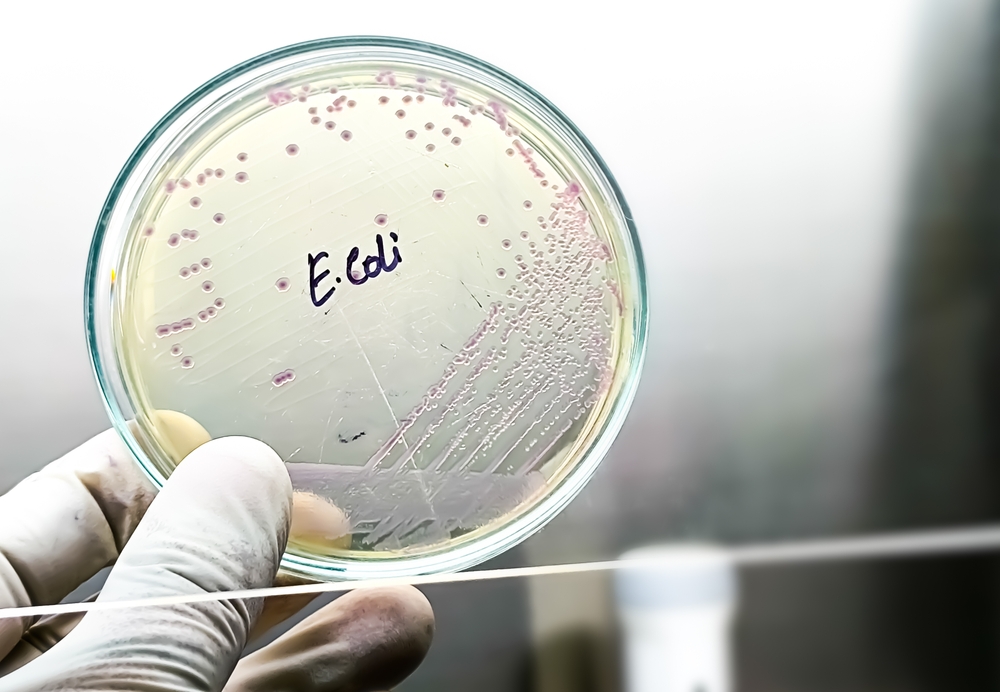
Escherichia coli (E. coli) represents a large and diverse group of bacteria. Most strains live harmlessly in your intestines and actually help keep your digestive tract healthy. However, a few strains cause serious problems. STEC refers specifically to the strains that produce a powerful toxin called Shiga.
How the Toxin Affects Your Body
When you ingest this harmful bacteria, it travels to your gut and releases the Shiga toxin. This toxin damages the lining of your intestines, leading to severe stomach cramps, vomiting, and bloody diarrhea. In severe cases, the toxin enters your bloodstream and damages your blood vessels. This can lead to a dangerous condition called Hemolytic Uremic Syndrome (HUS), which severely impacts kidney function and requires immediate medical intervention.
The Main Causes of Shiga Toxin-Producing E. coli
You cannot see, smell, or taste this bacteria on your food. The causes of Shiga toxin-producing E. coli usually trace back to consuming microscopic amounts of human or animal feces. While this sounds alarming, contamination happens easily during standard agricultural and food preparation processes.
Common Sources of Infection
The bacteria primarily live in the guts of ruminant animals, particularly cattle. You can contract the infection through several common pathways:
- Undercooked Ground Beef: Meat processing can mix bacteria from an animal’s intestines into ground meat.
- Unpasteurized Dairy: Raw milk and cheeses made from raw milk can carry the bacteria directly from the cow.
- Contaminated Produce: Runoff from cattle farms can contaminate the water used to irrigate crops, particularly leafy greens and sprouts.
- Person-to-Person Contact: Poor handwashing, especially in childcare centers or nursing homes, allows the bacteria to spread rapidly.
Recognizing Symptoms and When to Seek Medical Help for STEC
Most people notice symptoms three to four days after swallowing the germ. The illness usually begins with mild belly pain or non-bloody diarrhea that worsens over several days.
Critical Warning Signs
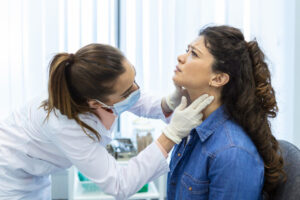
You must know when to seek medical help for STEC to avoid permanent organ damage. Contact a healthcare professional immediately if you experience any of the following:
- Diarrhea lasting more than three days
- High fever exceeding 102 degrees Fahrenheit
- Bloody stools
- Severe vomiting that prevents you from keeping liquids down
- Decreased urination or extreme fatigue, which indicate potential kidney issues
The Role of an Infectious Disease Specialist
Treating STEC requires a delicate medical approach. Interestingly, taking standard antibiotics or anti-diarrheal medications can actually increase the risk of serious complications like HUS. This is why consulting an infectious disease specialist proves so vital. These experts understand exactly how the Shiga toxin interacts with different medications.
If you live in New York, getting localized, expert care is highly accessible. You can easily find experienced infectious disease doctors in Brooklyn who regularly handle complex bacterial outbreaks. A skilled infectious disease specialist will monitor your hydration levels, track your kidney function, and guide you safely through recovery. Building a relationship with trusted infectious disease doctors in Brooklyn ensures you get the precise care you need without risky guesswork.
Take Action to Protect Your Digestive Health
Preventing an infection always beats treating one. Wash your hands thoroughly, cook your meats to safe temperatures, and wash all raw produce before eating.
If you or a loved one exhibits severe symptoms, do not wait for the illness to pass on its own. Reach out to our infectious disease providers immediately to book your appointment now. Call us on + 1-718-367-2555 to get treated! Learn more about infectious diseases at www.doralhw.org. and stay up to date on current health topics and new research, on recent infectious diseases like COVID-19. If you need help, register your information and make direct contact with our doctors at https://yuz88hfiyh7.typeform.com/Doralintake. Or visit us at 1797 Pitkin Avenue, Brooklyn, NY 11212.