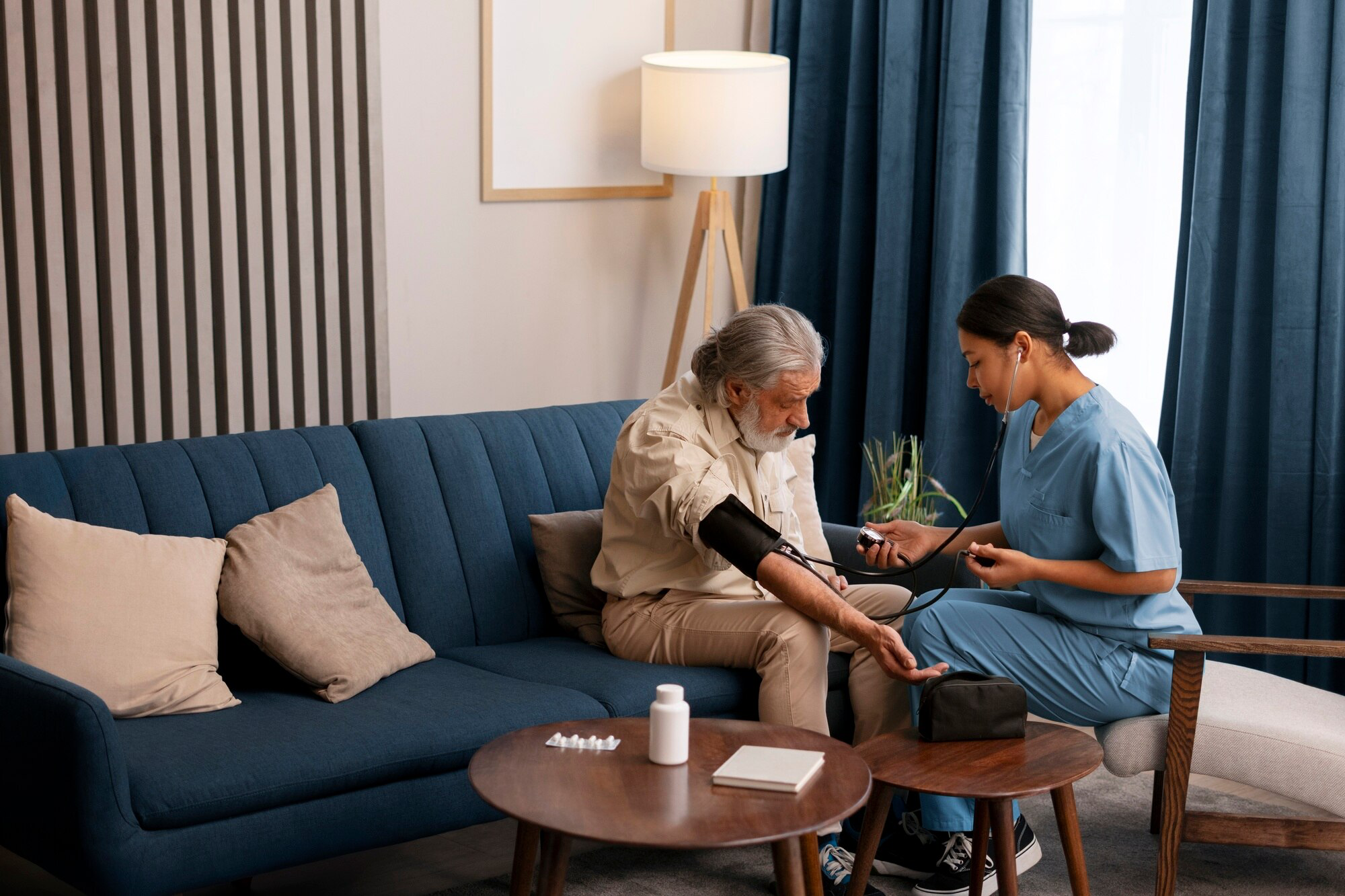
When a non-emergency medical issue arises, you need prompt, reliable care. Traditionally, this meant a trip to an urgent care clinic, but a more convenient and innovative option is now available: urgent care at home. This model brings medical professionals directly to your door, transforming how you access immediate care. Understanding the key differences between these two options is crucial. A thorough comparison of care scope, average wait times, infection exposure, and follow-up care helps you make a confident and informed choice for your family’s health needs.
For families seeking a dependable and advanced healthcare solution, RoadL offers a seamless experience. Our connected health platform and network of licensed clinicians deliver real-time, affordable medical care to your home. We accept most major insurance plans, providing expert support and peace of mind when it matters most.
Comparing Urgent Care: At Home vs. Clinic
Choosing the right setting for urgent medical needs can significantly impact your experience and outcome. While both urgent care at home and traditional clinics treat similar conditions, they differ in convenience, safety, and personalization. Let’s compare care scope, average wait times, infection exposure, and follow-up to see how they stack up.
Care Scope – What Can Be Treated?
Both models are designed to handle non-life-threatening conditions that require prompt attention but don’t warrant an emergency room visit.
- Urgent Care at Home – Providers can diagnose and treat a wide range of common illnesses and minor injuries. This includes services like testing for flu or strep throat, administering IV fluids, treating infections, and managing minor wounds or sprains. The focused, one-on-one environment allows for a thorough, unhurried assessment.
- Urgent Care Clinic – Clinics offer similar services but also have on-site equipment like X-ray machines for diagnosing fractures. They can handle a slightly broader range of injuries that might require immediate imaging.
Average Wait Times – How Quickly Will You Be Seen?
Waiting for care can be stressful, especially when you or a loved one feels unwell.
- Urgent Care at Home – With an on-demand medical home visit, your wait happens in the comfort of your own home. After requesting a visit through an app, you can track the provider’s arrival in real time. The entire process eliminates travel time and crowded waiting rooms, providing healthcare in real-time.
- Urgent Care Clinic – Average wait times at clinics can vary widely, from 15 minutes to over an hour, depending on the number of patients. This doesn’t include the time it takes to travel to the clinic, find parking, and complete paperwork.
Infection Exposure – What Are the Risks?
In a healthcare setting, minimizing exposure to other illnesses is a major concern for many families.
- Urgent Care at Home – This is the safest option for avoiding cross-contamination. By receiving care in your own home, you eliminate the risk of exposure to germs and viruses commonly found in a shared public space like a waiting room. This is especially beneficial for infants, the elderly, or immunocompromised individuals.
- Urgent Care Clinic – While clinics follow cleaning protocols, waiting rooms are high-traffic areas where you may be exposed to other sick patients. The shared environment inherently carries a higher risk of infection exposure.
Follow-Up Care – What Happens After the Visit?
Continuous care is essential for a full recovery. The approach to follow-up can differ between the two models.
- Urgent Care at Home – Follow-up is often more personalized. The provider who treated you can schedule a return visit if needed or coordinate directly with your primary care physician. Digital platforms often facilitate easy communication for follow-up questions, creating a continuous care experience.
- Urgent Care Clinic – Follow-up typically involves instructions to see your primary care physician. While effective, it places the responsibility on the patient to coordinate the next steps and ensure their records are transferred, which can sometimes lead to gaps in care.
The Clear Advantages of Real-Time Medical Care at Home
For a wide variety of urgent but non-critical conditions, the benefits of an on-demand medical home visit are clear. The model provides a patient-centric experience that prioritizes comfort, safety, and convenience. From treating a child’s fever in their own bed to managing a senior’s chronic condition without a difficult trip out, real-time medical care at home adapts to your life. This innovative approach ensures you receive compassionate, expert care without the stress and inconvenience of a clinic visit.
By leveraging proprietary technology, services like RoadL offer a structured and reliable system. You can request a visit, track your provider’s arrival, and receive high-quality medical attention from a licensed clinician, all from your mobile device. This is the future of accessible and efficient healthcare.
Experience a New Standard of Care with RoadL
Making the right healthcare decision starts with having clear information. While urgent care clinics serve an important purpose, urgent care at home offers a superior alternative for many common medical needs by maximizing convenience and safety. By eliminating travel, reducing wait times, and preventing exposure to other illnesses, it delivers a more compassionate and efficient experience.
Be part of the new trend in health. Embrace a service that combines experience and innovation for your benefit. To learn more about our personalized care plans and how our services can support your family, contact RoadL today at 1-833-762-3555 or message our website at roc@roadlcare.com.